Reported by Bárbara Scoralick Vilella, ICAP Senior Project Portfolio Manager
The 26th International AIDS Conference opened in Rio de Janeiro on July 26 under the theme, “Rethink. Rebuild. Rise.” – a reflection on the state of the global HIV response. The setting was apt. Thirty years ago, Brazil became the first developing country to guarantee free, universal access to antiretroviral treatment, and the global HIV community was returning there at a time when hard questions about the future of the response are on every agenda.
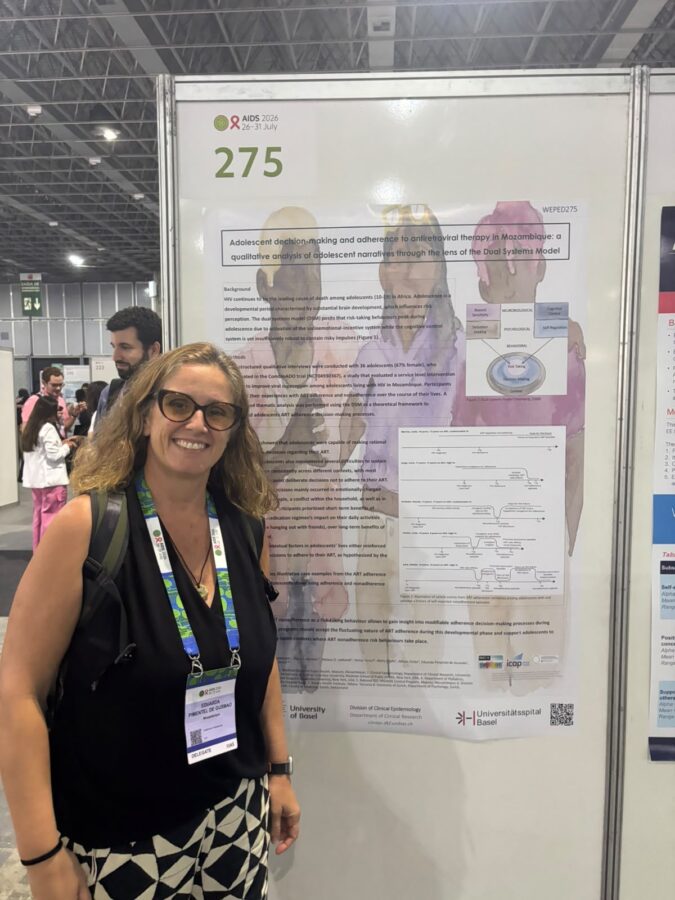
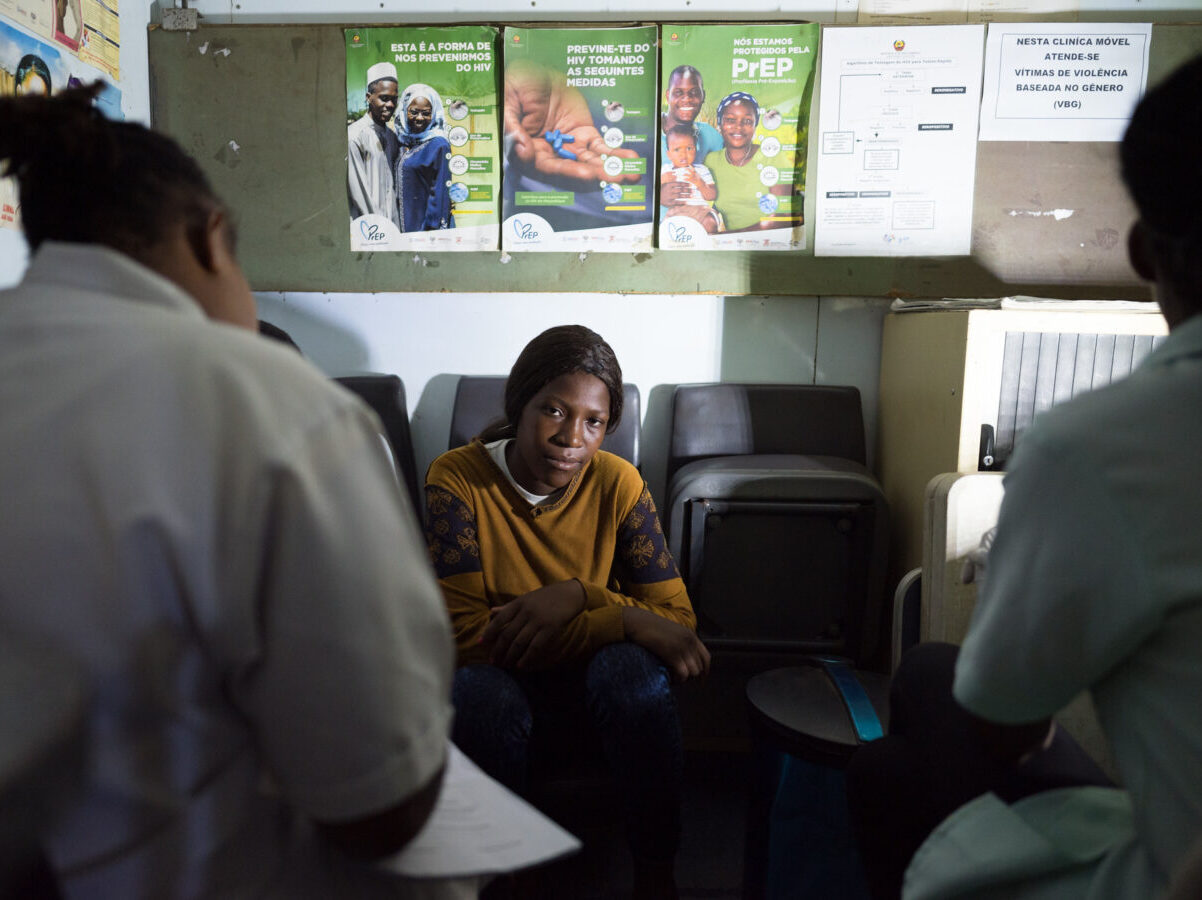
Eduarda Pimentel de Gusmão, ICAP’s country director in Mozambique, presented her research on adherence to antitretroviral therapy among adolescents.
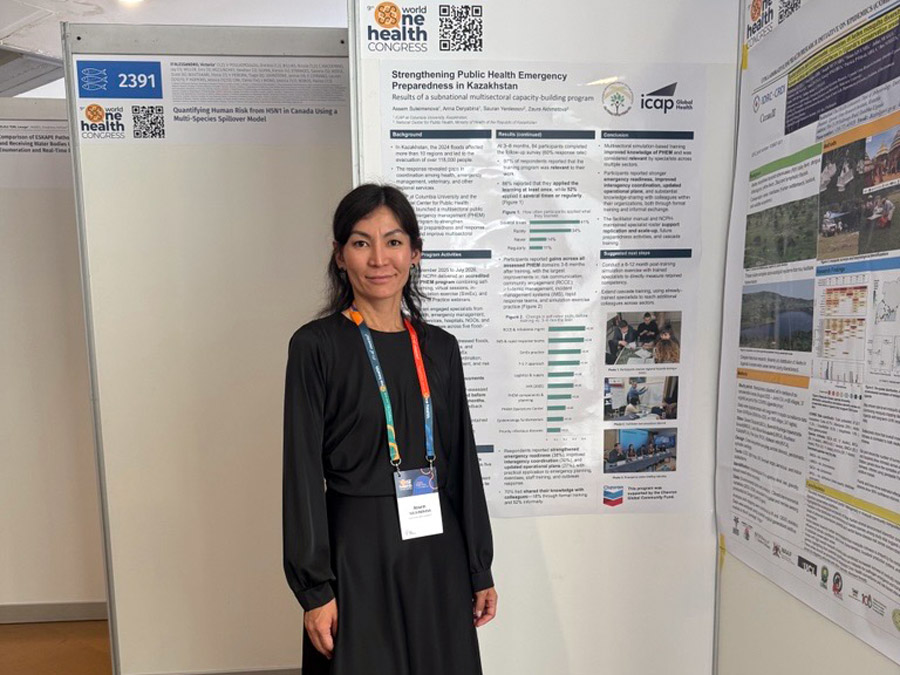
ICAP at Columbia University spent the week immersed in those conversations. Experts from ICAP’s headquarters and country programs presented 14 posters, with studies from Cameroon, Kenya, Rwanda, Zambia, South Sudan, Mozambique, Eswatini, and Brazil, covering topics ranging from active case finding for children living with HIV to cryptococcal meningitis screening, PrEP adherence, and the laboratory networks that keep treatment on track.
Much of this work returned to the same question: how to protect and improve life-saving services as resources tighten. Gladys Tayong, whose poster showed how health facilities in Cameroon’s Far North took charge of improving their own HIV services, put it plainly: “In a changing global HIV landscape, facility-led continuous quality improvement offers a practical, scalable pathway to sustain and improve the quality of life-saving services.”
Other posters looked at the systems that carry those services. In South Sudan, Mansoor Farahani and colleagues traced what happened as the country’s GeneXpert network matured: testing volume at the busiest facilities fell by 38 percent and turnaround times appeared to shorten, while viral suppression showed no consistent change. In Western Province, Zambia, Chalomba Chitanika’s team found that targeted technical assistance at 42 sites made cryptococcal meningitis screening routine and kept it that way, contributing to a reduction in avoidable HIV-related deaths.
A second thread ran through the poster hall: whom the response is still missing. Analyzing seven Population-based HIV Impact Assessment surveys, Craig Heck and colleagues found HIV prevalence of 13 percent among adolescent girls and young women whose circumstances combined five overlapping risks, among them pregnancy history, economic insecurity, and partners living with HIV or of unknown status, and prevalence stayed high even among those facing a single risk. A separate poster asked about the men. Using population-based surveys from across East and Southern Africa, Shanyah Mitchell found that males partnered with adolescent girls and young women were more likely to report HIV risk behaviors regardless of their own age, which suggests that behaviors formed in youth are sustained rather than outgrown.
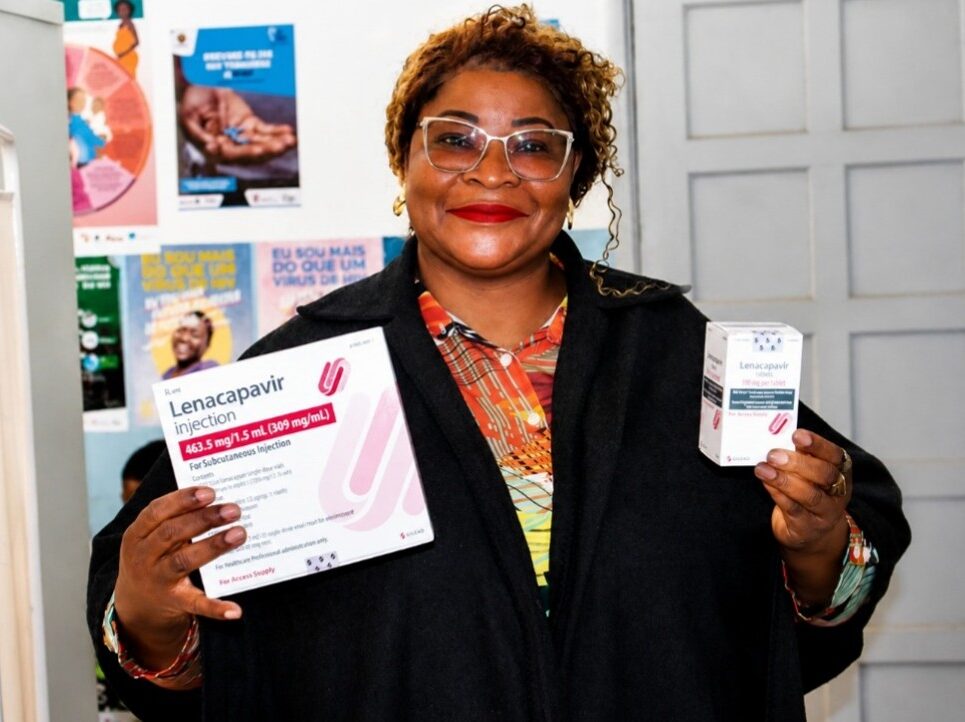
Two posters from Eswatini shed light on current risks inherent in the new global health landscape. Modelling by Cebisile Ngcamphalala and colleagues, with ICAP co-authors, estimated that the 2025 funding disruptions could increase new HIV acquisitions by 37 percent and HIV-related deaths by 21 percent, reversing half a decade of progress toward epidemic control. A second analysis from the same team asked what to protect first, and found that scaling up long-acting antiretroviral therapy for people with detectable viral loads could avert 1,042 infections by 2030, with the greatest efficiency when scale-up began with female sex workers.
These prioirty questions followed ICAP into the session rooms. Maureen Syowai, program director of the ICAP-led Coverage, Quality, and Impact Network (CQUIN), joined global health leaders for a satellite session on ending preventable deaths from advanced HIV disease, where the discussion focused on earlier identification and better access to CD4 testing (see related story). Cassia Wells, deputy direcotr and technical director of CQUIN, supported a workshop entitled “Protecting what works: Sustainable, integrated, key population-sensitive models balancing community-led and facility-based services” exploring sustainable, integrated models of care that balance community-led and facility-based services. And before the conference even opened, Sara Wallach, a PhD student in epidemiology at the Mailman School of Public Health and a fellow in ICAP’s Global HIV Implementation Science Research Training program, presented findings from an ICAP study at the 18th International Workshop on Pediatrics and HIV.

Erika Fazito, ICAP’s country director in Brazil and director of the global PHIA survey project (right), joined collagues to present a study on causes of death from AIDS in Brazil.
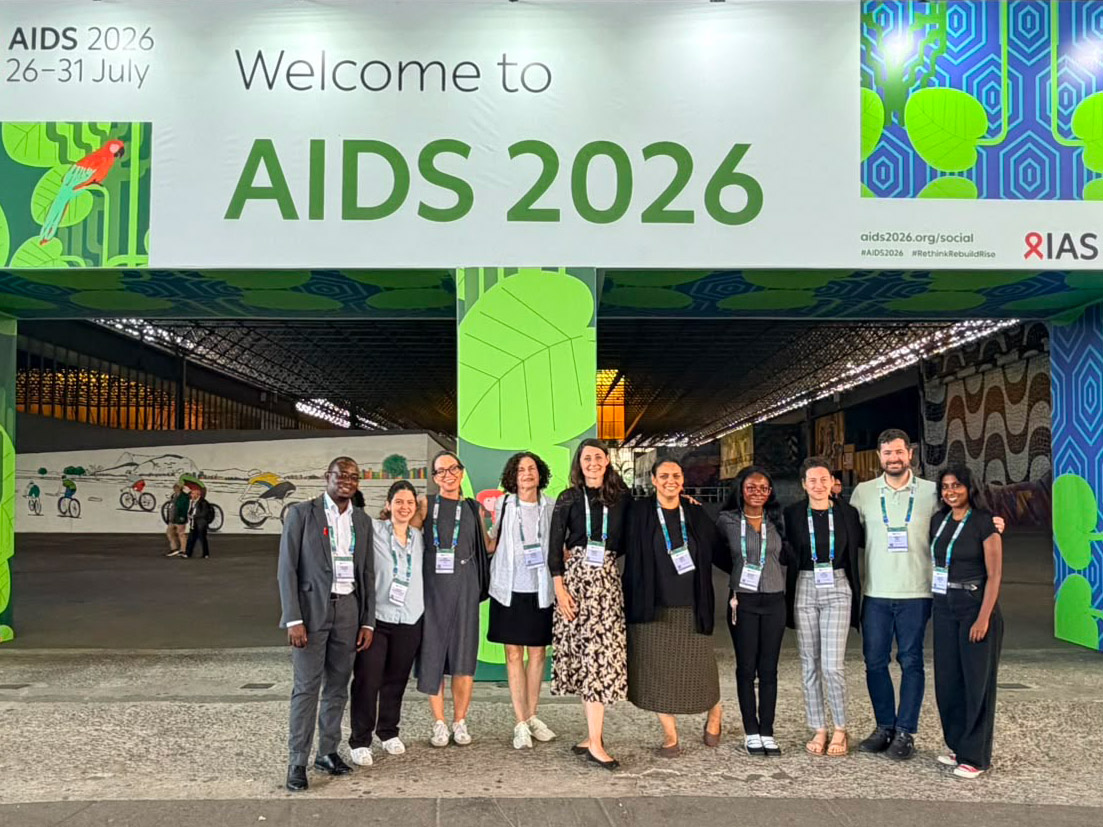
In between, ICAP team members engaged in working meetings with country partners, conversations in the networking zones, and, for a team spread across continents, some rare time together in person.
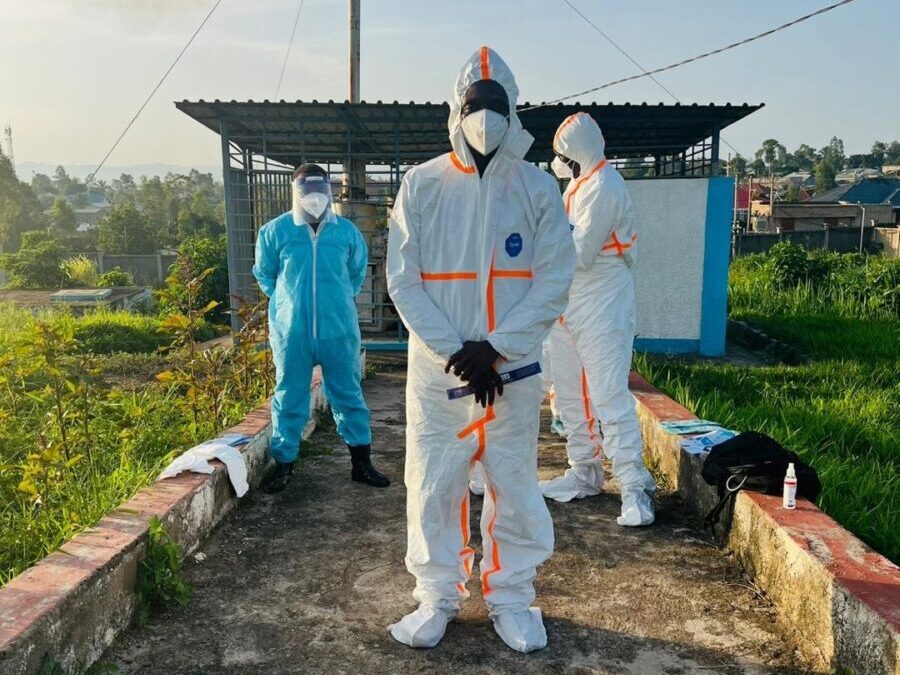
One speaker in Rio has lived through both epidemics. Peter Piot helped identify the Ebola virus in 1976 in what is now the Democratic Republic of Congo and later served as the founding executive director of UNAIDS, and his career traces a lesson the two epidemics keep teaching: where Ebola strikes, HIV care suffers. During the 2014 to 2016 outbreak in West Africa, one treatment site in Guinea recorded a 46 percent drop in HIV testing and a 47 percent drop in new treatment enrollment, and in some cohorts the share of patients defaulting on antiretroviral therapy climbed from almost none to over 40 percent. Modelers later estimated that disrupted care for HIV, tuberculosis, and malaria caused roughly 10,600 additional deaths in Guinea, Liberia, and Sierra Leone, close to the death toll of the outbreak itself. The findings speak to the urgency of ICAP’s wide-ranging global health work, which continues to address the HIV research questions showcased in Rio and ongoing preparedness and response during the current Ebola emergency in the Democratic Republic of Congo.
The discussion continued beyond Rio. On August 18, CQUIN, the International AIDS Society which organizes AIDS 2026, and the South to South Learning Network for HIV Prevention hosted a webinar on HIV service delivery prioritization in resource-constrained settings.
The hard questions will follow everyone home. But Rio was a fitting place to ask them: the country that once proved universal treatment was possible in the developing world hosted a community now working out how to keep that promise.
About ICAP
A major global health organization that has been improving public health in countries around the world for two decades, ICAP works to transform the health of populations through innovation, science, and global collaboration. Based at Columbia Mailman School of Public Health, ICAP has projects in more than 40 countries, working side-by-side with ministries of health and local governmental, non-governmental, academic, and community partners to confront some of the world’s greatest health challenges. Through evidence-informed programs, meaningful research, tailored technical assistance, effective training and education programs, and rigorous surveillance to measure and evaluate the impact of public health interventions, ICAP aims to realize a global vision of healthy people, empowered communities, and thriving societies. Online at icap.columbia.edu