Viral load testing is a critical factor in achieving progress toward controlling any national HIV epidemic. When viral load – the level of HIV in a person’s bloodstream – is reduced to the point where it cannot be detected, onward sexual transmission of the virus is prevented. Inhibiting transmission of HIV in this way is a critical pathway toward eventually controlling the epidemic.
Given the importance of viral load suppression, it should come as no surprise that health workers and officials depend on accurate and reliable viral load testing results to inform objective and timely clinical decisions, prevent drug resistance, and limit unnecessary switching of antiretroviral therapy (ART) regimens.
In Myanmar, viral load testing has been ongoing since it first commenced at the National Health Laboratory in 2010. Over the past decade and a half, the testing network has gradually expanded. As of September 2026, there were 12 high-throughput testing machines and 18 GeneXpert platforms operational nationwide for HIV VL testing.

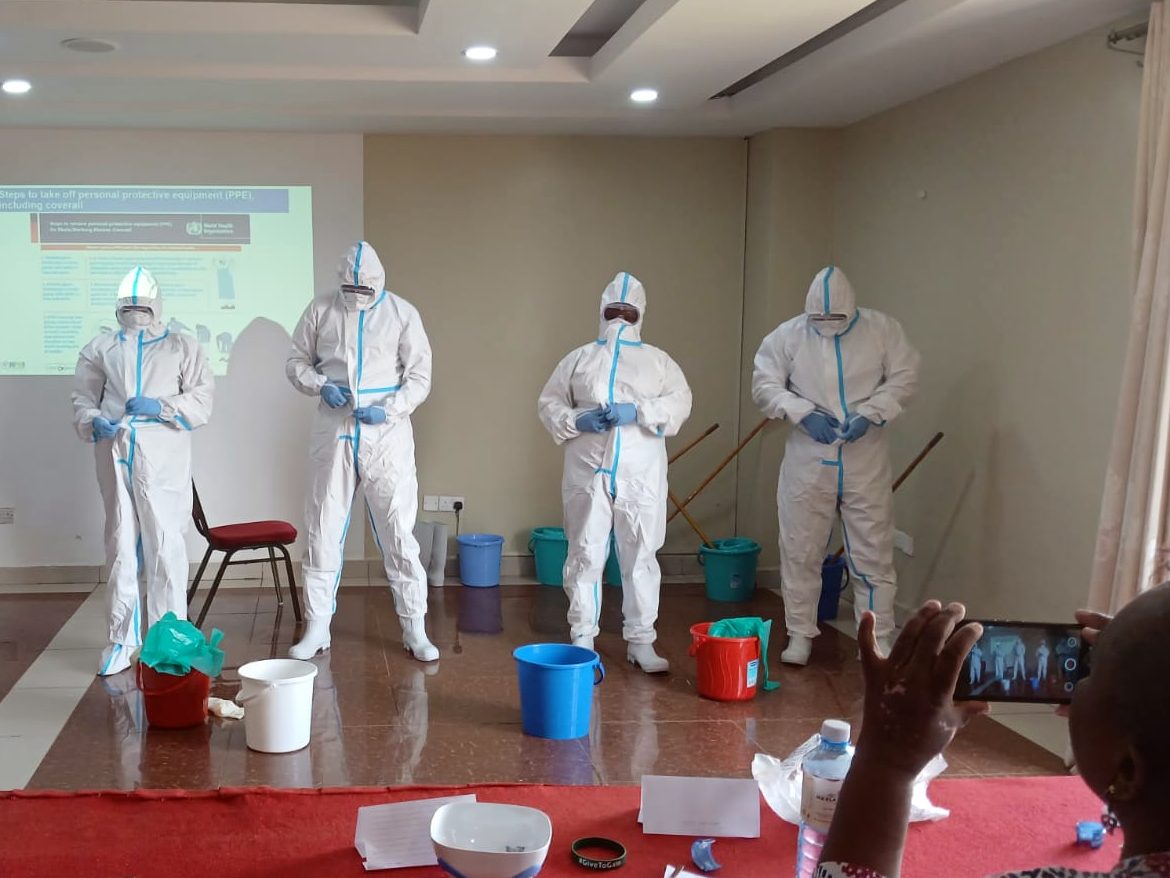
During a National External Quality Assessment Scheme viral load workshop , laboratory staff receive practical training on electronic proficiency testing.
One of the most effective ways of ensuring the highest quality of viral load testing results is through an External Quality Assessment Scheme (EQAS) – a system that enables objective evaluation of a laboratory’s analytical performance by comparing its results against those of other peer laboratories or a reference laboratory.
In pursuit of the highest level of quality in viral load testing, Myanmar’s National Health Laboratory and some of the country’s high-throughput labs been participating in the international external quality assessment schemes (EQAS) managed by the US Centers for Disease Control and Prevention International Laboratory Branch (CDC-ILB) since 2014. Unfortunately, however, logistical constraints in the country have limited the international EQAS coverage, highlighting the need for an effective national external quality assessment scheme (NEQAS) system.
With funding from the President’s Emergency Plan for AIDS Relief (PEPFAR) through CDC, ICAP in Myanmar collaborated with the National Health Laboratory to address this need by implementing a comprehensive NEQAS program for viral load testing.
The program was actually initiated in 2020 with support from the CDC-ILB but delayed due to the emergence COVID-19 pandemic. In 2022, ICAP resumed implementation support for the NEQAS system with the use of an electronic proficiency testing (ePT) system, which eliminates paper-based submission of results, allowing seamless results evaluation and EQAS data management.
The implementation of this innovative system leveraged knowledge and experience gleaned by ICAP through its critical work in the global HIV response in many countries. Putting it all in place involved a series of tasks undertaken over many months, including: a baseline assessment, development of technical standard operating procedures, training, and other technical activities.
The pilot phase was conducted in June 2023, with the ePT system set-up and modifications completed in March 2024. In May of that year, ICAP and NHL conducted the first training on viral load quality assessment and use of the ePT system for 34 laboratory staff.
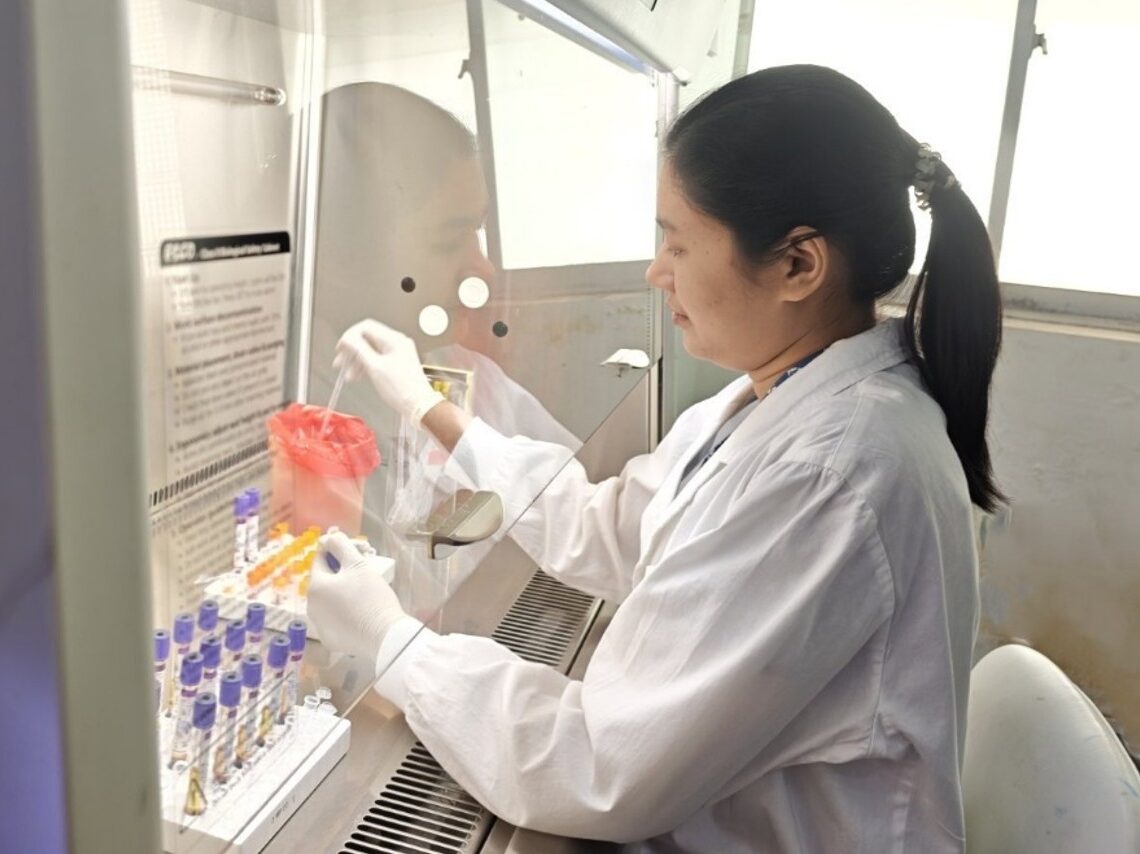
A medical technologist performs viral load tests with a high throughput nucleic acid extraction machine.
In 2024, following initial training, the NEQAS program was rolled out for all viral load laboratories in the country with two semi-annual quality assessment rounds conducted that year, and two more in 2025. Further training for NEQAS and the ePT system was provided to a total of 38 laboratory staff in June 2025 to strengthen their knowledge and skill. As of 2026, with one NEQAS round so far conducted, the assessments are proving to be highly successful at supporting ongoing quality assurance and continuous improvement in HIV viral load testing. Across all five assessments conducted to date, both submission and pass rates stand at or above the 90% target, demonstrating consistently strong performance of VL laboratories.
“The development of the HIV VL EQAS program in Myanmar is an important milestone in promoting reliable and high-quality HIV viral load testing across the country, stated the focal point of the NHL’s Virology Section, highlighting the significance of the initiative. “Sincere appreciation goes to ICAP for its valuable support in making this initiative possible.”
Today, ICAP continues to support NEQAS implementation for viral load, with preparations currently underway for the second NEQAS round of 2026 for all functioning HIV viral load laboratories.
“The successful implementation of the NEQAS for HIV viral load testing in Myanmar has been a significant achievement in strengthening the quality of HIV viral load testing services nationwide,” said Khin Nyein Chan, MBBS, MScPH, ICAP’s country director in Myanmar. “Continued technical collaboration as well as sustainable funding support are essential to maintain this quality assurance program, which is playing a critical role in ongoing efforts to bring the HIV epidemic under control so that all people in the country can live the healthy lives they deserve.”
About ICAP
A major global health organization that has been improving public health in countries around the world for two decades, ICAP works to transform the health of populations through innovation, science, and global collaboration. Based at Columbia Mailman School of Public Health, ICAP has projects in more than 40 countries, working side-by-side with ministries of health and local governmental, non-governmental, academic, and community partners to confront some of the world’s greatest health challenges. Through evidence-informed programs, meaningful research, tailored technical assistance, effective training and education programs, and rigorous surveillance to measure and evaluate the impact of public health interventions, ICAP aims to realize a global vision of healthy people, empowered communities, and thriving societies. Online at icap.columbia.edu