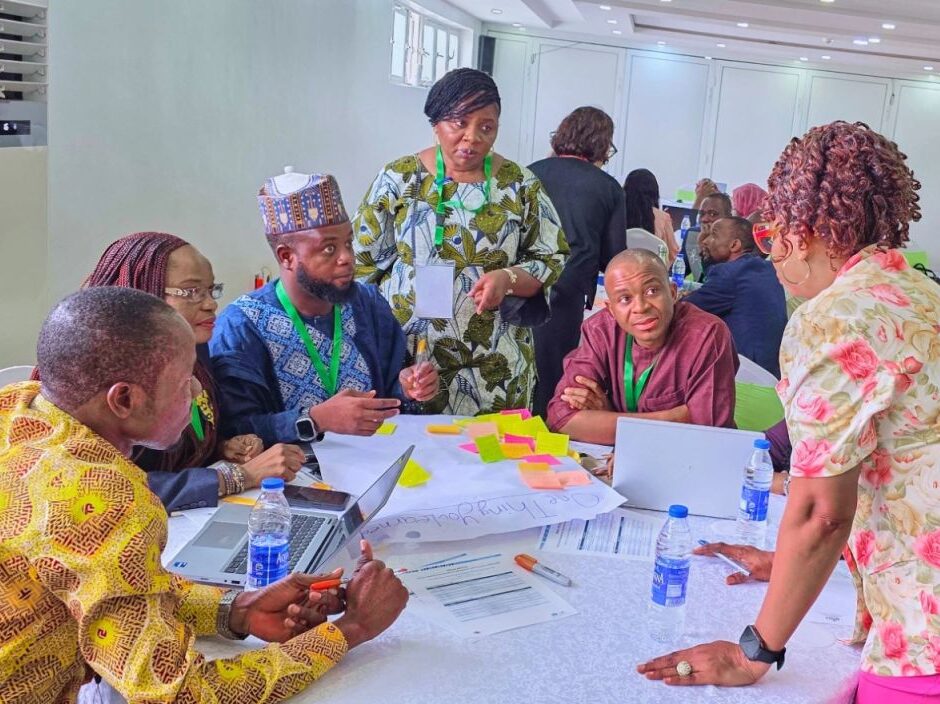
In late 2026, the most severe Ebola outbreak in history continues to spread across Africa. New and continuing outbreaks of other infectious diseases – including measles, mpox, and cholera – are presenting ongoing threats against communities across the continent. And, against this backdrop, many countries are bracing for the effects of cyclones and flooding exacerbated by this year’s Super El-Niño.
In the face of these challenges, public health professionals stand as a first line of defense, identifying disease outbreaks, preparing cities, towns and villages to minimize impact, and jumping in to support recovery when disaster strikes.
To bolster the capacity of these frontline health workers, ICAP at Columbia University has been supporting the Public Health Emergency Preparedness, Response and Recovery (PHEPRR) Fellowship, a regional competency-based training that aims to develop surge capacity across all health sectors in line with the One Health approach – a collaborative, transdisciplinary model that recognizes the interconnectedness of people, animals, and ecosystems.
Launched in late 2024, with support from the US Centers for Disease Control and Prevention (CDC), the PHEPRR Fellowship is supported by ICAP, Health Security Partners and Pro-Health International Africa, which serve as technical partners in strengthening public health emergency preparedness and response capacity across the region.
As of this past September, a new cadre of public health professionals across sub-Saharan Africa have graduated from the program, demonstrating critical skills that equip them to effectively support their communities in preparing for, responding to, and recovering from public health emergencies while contributing to stronger and more resilient health systems.
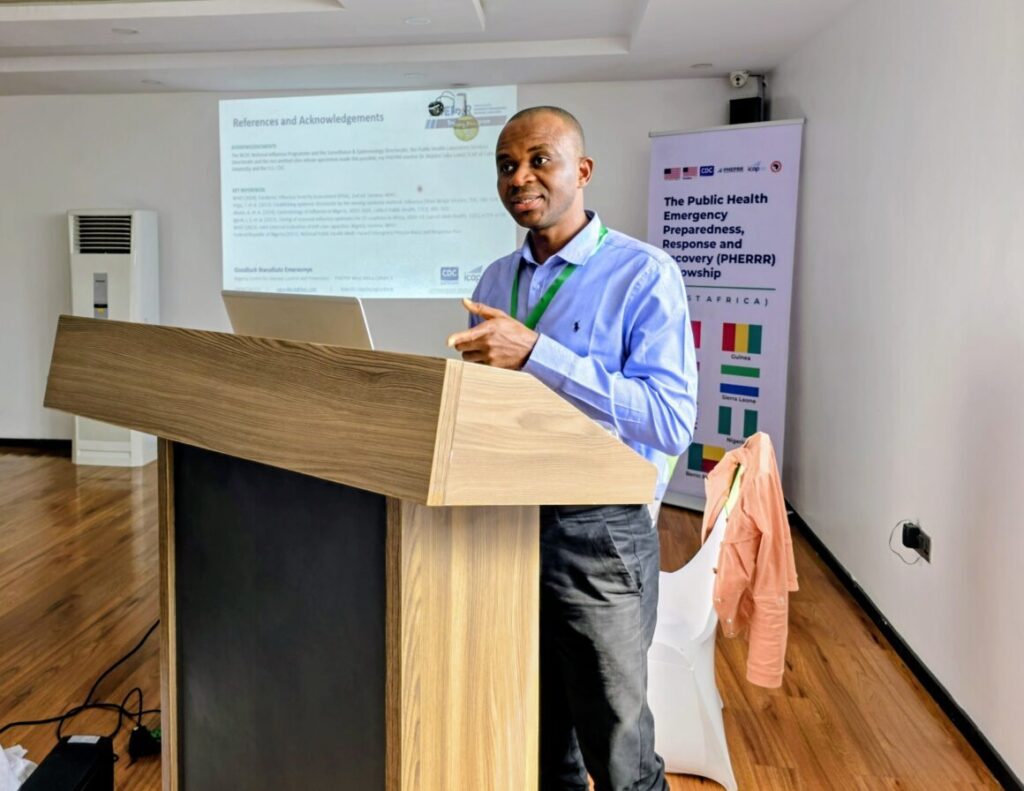
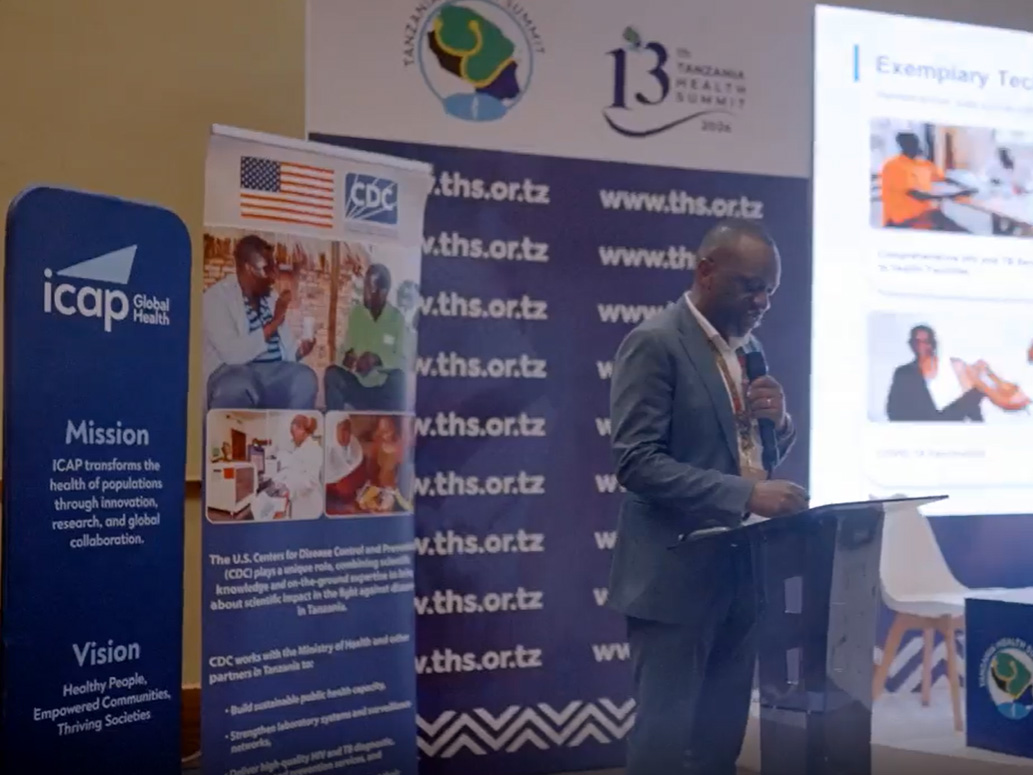
Fellow from Nigeria, Goodluck Ikwudiuto Emereonye, presenting his Capstone on using surveillance data on influenza into an early warning system.
In the culmination of a fellowship experience that began in March of this year, two sessions were held to complete the trainings. The first took place in September 14-18 in Lagos, Nigeria; the second, September 21-25 in Johannesburg South Africa.
In Lagos,14 participants represented 7 countries: Nigeria, Ghana, Liberia, Benin, Guinea, Sierra Leone, and Mali. In Johannesburg,16 participants represented eight countries: Eswatini, Malawi, Mozambique, Namibia, Zambia, Zimbabwe, Botswana, and South Africa
Building on the lessons learned during the first sessions in March, each group of fellows engaged during this follow-up week in functional exercises, Capstone presentations, and a graduation ceremony.
During these educational sessions, participants explored how to navigate and support change within emergency systems, identify key stakeholders, and develop recovery plans that contribute to resilient health systems. They also applied their learning to regional case studies and continued preparations for their Capstone projects.
An extended tabletop functional exercise challenged fellows and mentors to simulate preparing and responding to a storm, mass flooding, and a waterborne disease outbreak in the fictional country of Zandara. During this exercise, the participants engaged in various group activities in which they applied learning from the entire fellowship into a realistic situation such as completing a SWOT (Strengths, Weaknesses, Opportunities, Threats) analysis to understand their institutional capacities and gaps, conducting stakeholder interviews and a stakeholder analysis, and designing an Incident Management Structure to respond to an emergency.
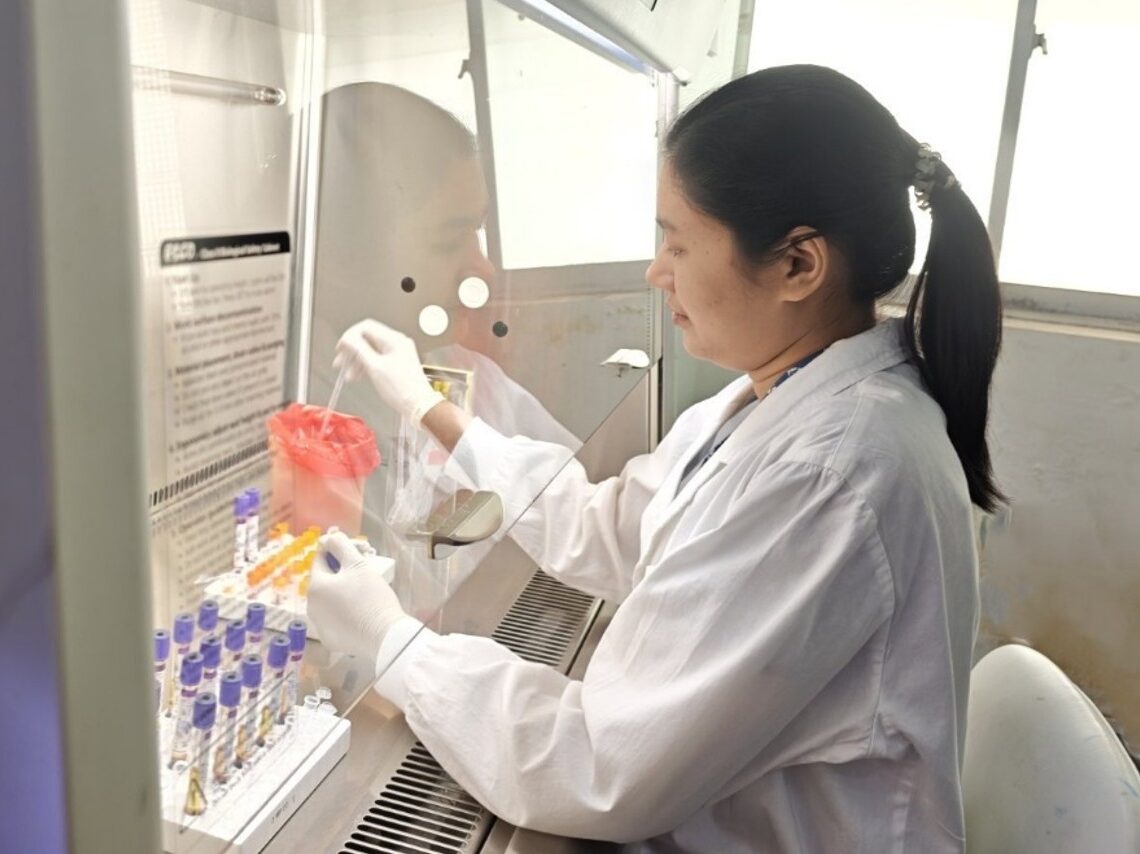
The Capstone presentations were an opportunity for fellows to share the work they had completed over the course of the fellowship. Participants identified gaps within their work and either developed interventions to address those gaps or conducted investigations to understand the cause of the gaps. Capstones included developing a lab standard operating procedure (SOP) for One Health data integration; conducting an assessment to understand misinformation during a cholera outbreak; developing cross-border coordination to address cholera; designing a clinical algorithm to identify Lassa Fever in pregnant women; and performing a risk assessment to understand the extent of risk from liquified petroleum gas in a community.

Fellows from Sierra Leone and Nigeria share their graduation plaques on the final day of the PHEPRR graduation week.
Finally, the graduation ceremonies focused on recognizing the new capacities of the fellow and celebrating the work both the fellows and the mentors produced throughout. Speakers highlighted how the fellowship led to connections across the region, the applicability of the learning to their work, and the need to continue applying the skills gained to ensure health system strengthening at the local, national and regional level.
“This journey has been a truly enriching experience, full of learning, valuable encounters, and meaningful experiences,” remarked one participant.
“I sincerely hope that this platform will continue to serve as a strong avenue for experience sharing, mentorship, guidance, learning, and teaching in the areas of Public Health Emergency Preparedness, Response and Recovery, as well as other important aspects of public health across the world,” commented another.
“The PHEPRR fellowship provides a unique opportunity to develop the professionals at the heart of public health,” said Susan Michaels-Strasser, PhD, MPH, RN, FAAN, ICAP’s senior director for Human Resources for Health Development. “With the skills they have gained through these workshops and trainings – and the collaborative relationships they have forged with colleagues across their regions – they are empowered to protect the health and safety of their communities and to strengthen the health systems on which their countries depend.”
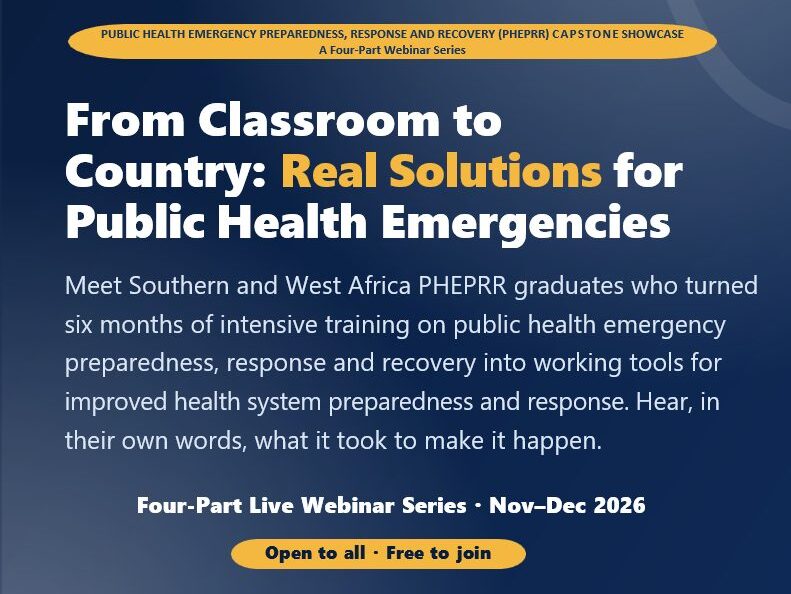
Fellows who have passed through this unique program will be sharing their experience widely through a four-part webinar series beginning on November 23. The webinar is free of charge and open to all. More information is available here.
About ICAP
A major global health organization that has been improving public health in countries around the world for two decades, ICAP works to transform the health of populations through innovation, science, and global collaboration. Based at Columbia Mailman School of Public Health, ICAP has projects in more than 40 countries, working side-by-side with ministries of health and local governmental, non-governmental, academic, and community partners to confront some of the world’s greatest health challenges. Through evidence-informed programs, meaningful research, tailored technical assistance, effective training and education programs, and rigorous surveillance to measure and evaluate the impact of public health interventions, ICAP aims to realize a global vision of healthy people, empowered communities, and thriving societies. Online at icap.columbia.edu