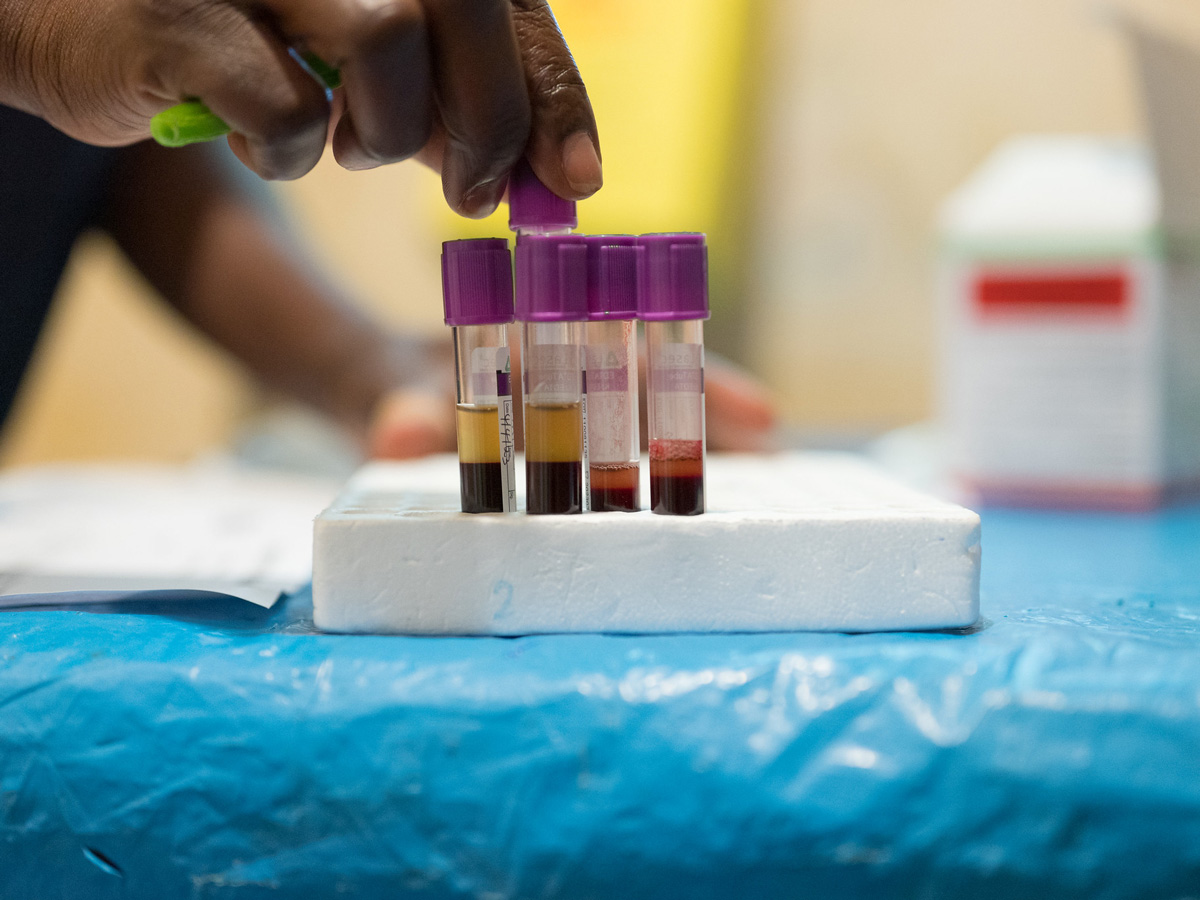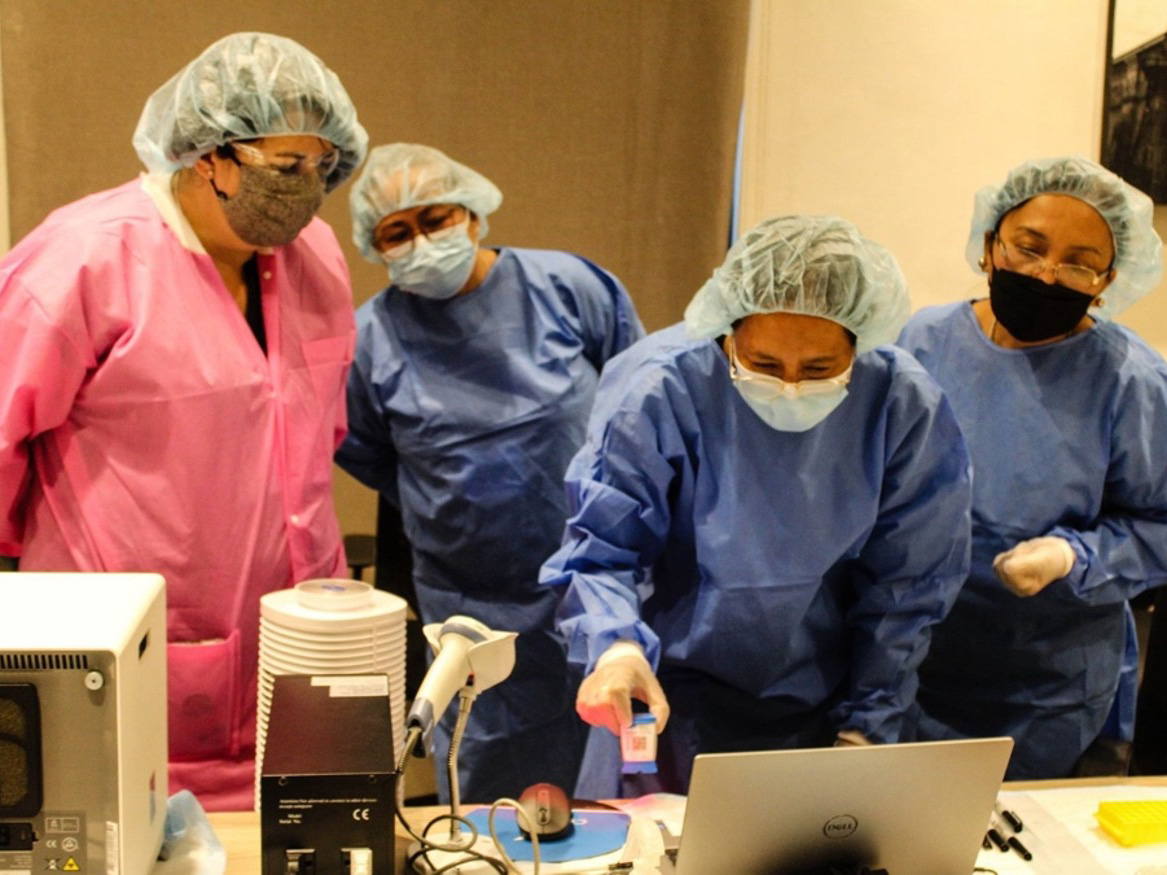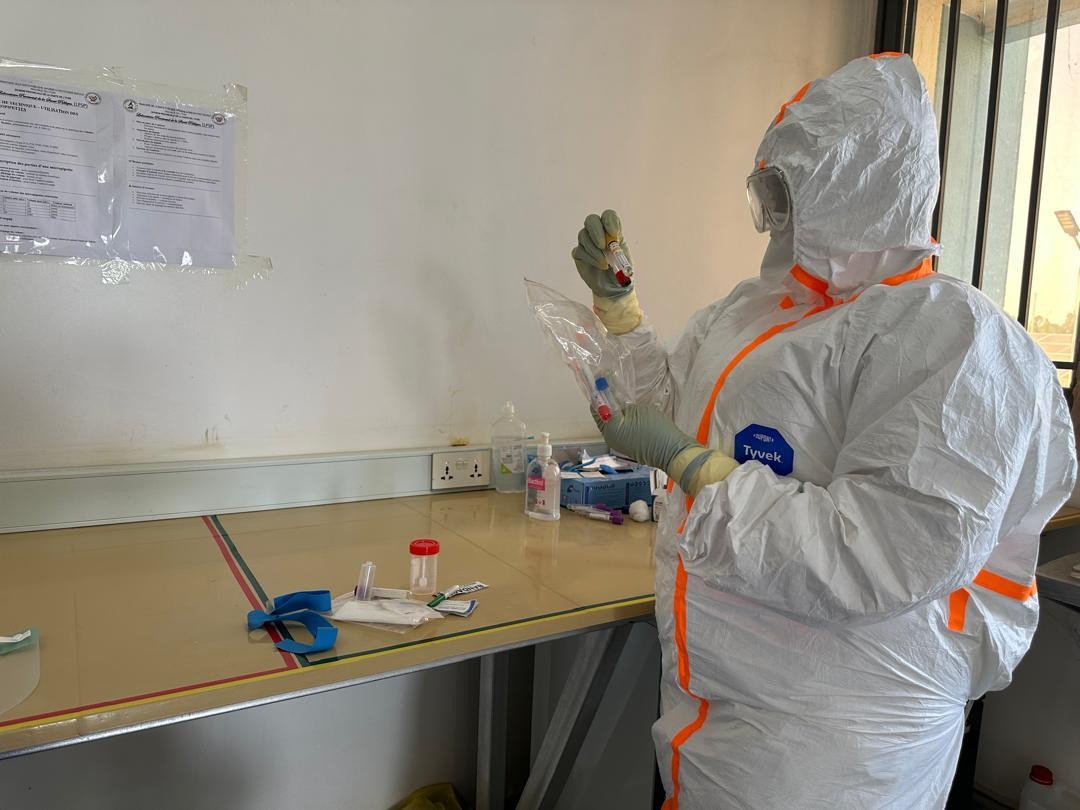
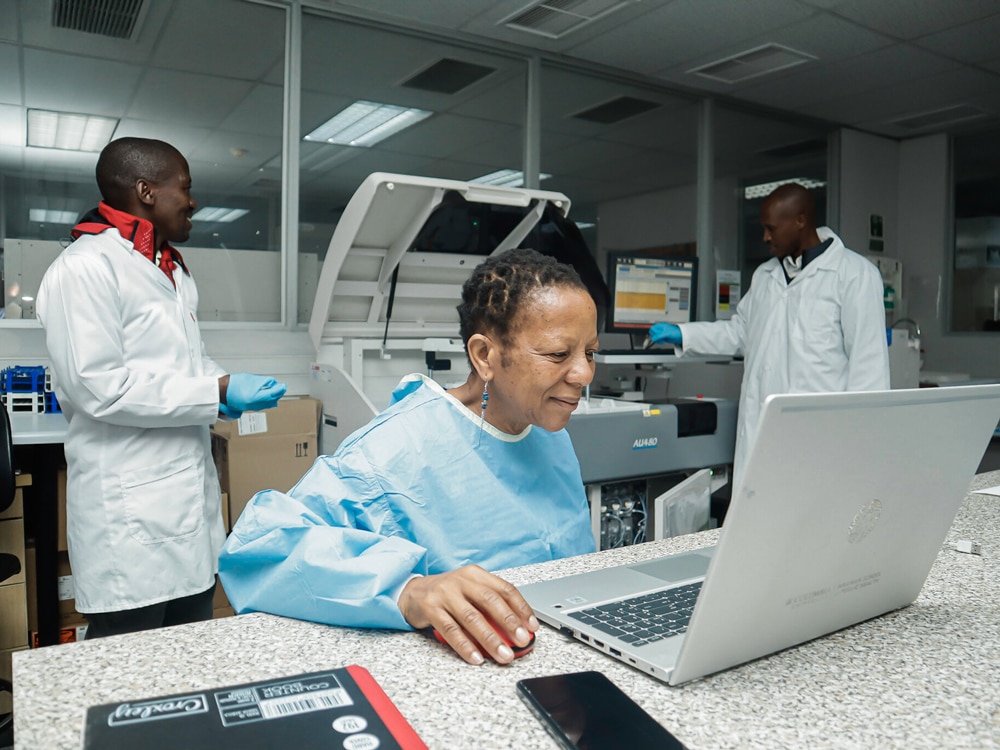
Quality laboratory services represent a critical factor in creating strong health systems and improving health outcomes among populations threatened by infectious disease transmission.
In September, Lesotho marked a milestone with the culmination of the Expanding Access to Quality Laboratory Services (EQUALS) Project, implemented with funding from the US President’s Emergency Plan for AIDS Relief (PEPFAR) through Centers for Disease Control and Prevention (CDC) and led by the Lesotho’s Ministry of Health, National Reference Laboratory, and National Health Training Colleges, with support from ICAP at Columbia University.
Over the past five years, the EQUALS Project has been at the heart of Lesotho’s laboratory strengthening agenda, expanding access to quality diagnostics, improving the efficiency and accuracy of HIV and TB testing services, and building strong systems that continue to serve patients across the country.
The goal of this project was to increase access to and improve the quality of diagnostic and treatment monitoring services, thereby accelerating progress toward the UNAIDS 95-95-95 targets. Through collaboration, innovation, and unwavering commitment, the project achieved remarkable results including:
- Nationwide Expansion of Viral Load Testing: Viral load (VL) testing facilities grew from 7 to 34, coverage rose from 68% to over 92%, turnaround time dropped from 21 to fewer than 7 days, and viral suppression now exceeds 95% — a truly outstanding achievement in the global HIV response.
- Digital Transformation of Laboratory Systems: With Lesotho Health Information Systems and eRegister interoperability, over 180 health facilities and all VL labs are now integrated, giving Lesotho full visibility of the viral load cascade, improving efficiency, and ensuring patients receive results faster.
- Quality Management and Accreditation: A new ISO 15189:2022-aligned Quality Management System curriculum has strengthened laboratory personnel capacity. Four laboratories — Seboche, Motebang, Butha-Buthe, and the National TB Reference Laboratory — have achieved international accreditation, advancing Lesotho’s quality agenda.
- Innovation in Proficiency Testing: The introduction of the electronic Proficiency Testing (PT) platform has revolutionized HIV PT management, cutting reporting turnaround times from months to days, and improving corrective action and test accuracy across the country.
These milestones are not only technical successes — they represent better care for patients, greater confidence in the health system, and progress toward epidemic control.
With an eye on sustainability, the systems, skills, and partnerships built under EQUALS are a foundation upon which Lesotho can continue to innovate, expand, and lead in laboratory excellence.
“At the Ministry of Health, we are very grateful to see a partner which is transparent enough to share with us so that when we are planning, we are planning together,” said Monkoe Lekheka director of Diagnostic Laboratory Services at the Ministry of Health, praising ICAP for its partnership and transparency during the implementation of EQUALS. “We are very happy that ICAP has a specific project for transition and sustainability. And we are committed to taking part in that exercise,” he added.
“The EQUALS project has significantly contributed to strengthening Lesotho’s laboratory systems, expanding access to quality diagnostics and improving service delivery nationwide,” said Felix Ndagije, MD, MTroPed, MScGH, FRSPH, ICAP’s country director in Lesotho. “The strong partnership that designed and implemented this landmark project has left – and will continue to leave – an enduring mark on Lesotho’s health system and, most importantly, in the lives of the people we serve.”
About ICAP
A major global health organization that has been improving public health in countries around the world for two decades, ICAP works to transform the health of populations through innovation, science, and global collaboration. Based at Columbia Mailman School of Public Health, ICAP has projects in more than 40 countries, working side-by-side with ministries of health and local governmental, non-governmental, academic, and community partners to confront some of the world’s greatest health challenges. Through evidence-informed programs, meaningful research, tailored technical assistance, effective training and education programs, and rigorous surveillance to measure and evaluate the impact of public health interventions, ICAP aims to realize a global vision of healthy people, empowered communities, and thriving societies. Online at icap.columbia.edu