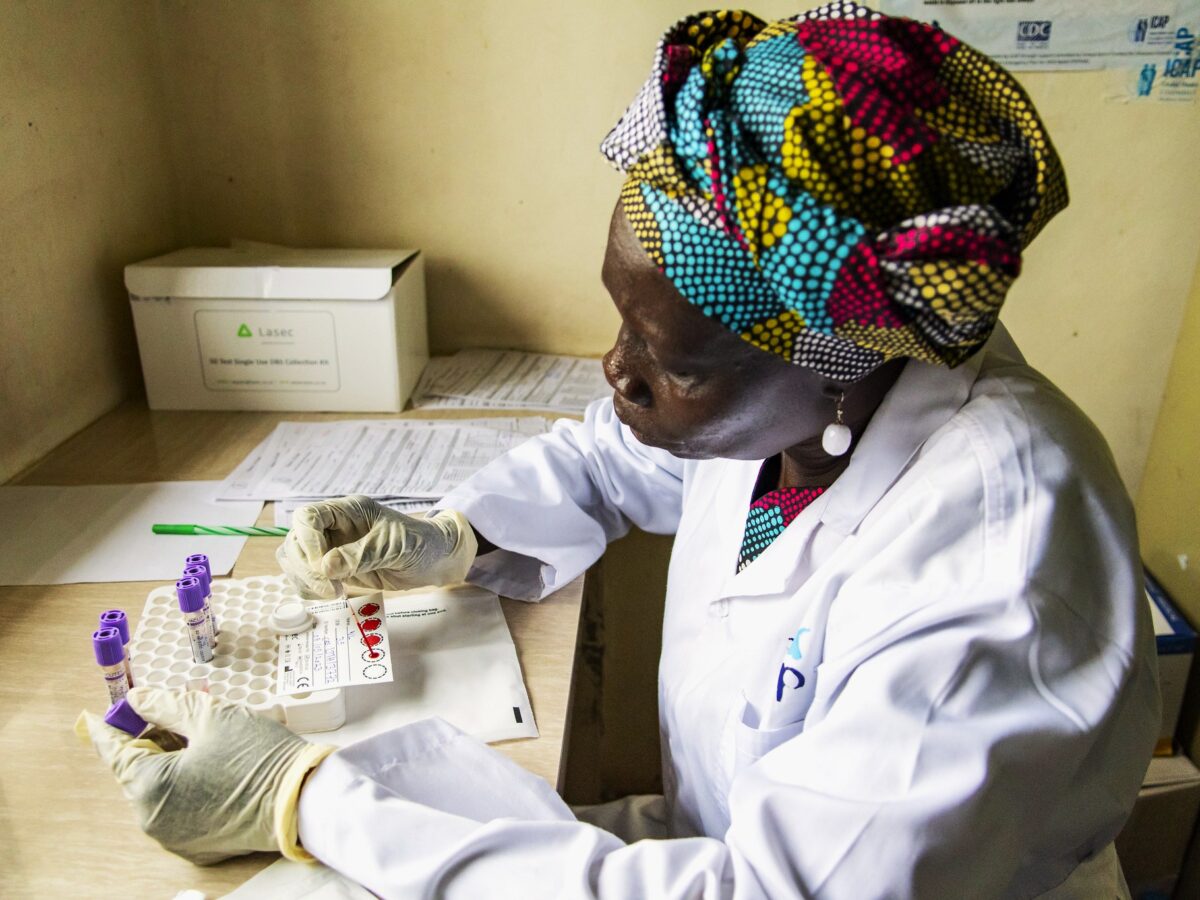
When the COVID-19 brought the world to a standstill in 2020, health systems across low- and middle-income countries faced unprecedented stresses. Clinics closed. Supply chains faltered. Patients missed appointments. Laboratory systems stalled. At the very moment when sustained momentum was needed to reach global HIV targets, progress came under perilous risk.
Yet in more than 20 countries across Africa, Asia, and Latin America, ICAP at Columbia University brought a powerful force to bear to help stem the loss of progress, and, in many cases, accelerate gains.
The Programmatic Support Award (PSA), implemented by ICAP and funded by the President’s Emergency Plan for AIDS Relief (PEPFAR) through the U.S. Centers for Disease Control and Prevention (CDC), proved to be one of the most comprehensive and effective technical assistance platforms supporting HIV programming and health system strengthening globally.
In the course of five years, PSA strengthened testing, treatment, and prevention, laboratory systems, surveillance, and epidemic preparedness. Its impact extended beyond HIV — improving immunization programs, infection prevention and control (IPC), laboratory accreditation, and emergency response capacity in vulnerable settings.
The result: stronger systems, better data, improved health outcomes, and measurable progress toward global HIV targets.
Making Strides Toward Global HIV Targets — and Beyond
At its core, PSA was designed to support countries’ moves toward epidemic control by supporting the global UNAIDS HIV 95-95-95 targets — 95% of people with HIV know their status; 95% of those diagnosed receive antiretroviral treatment (ART); and 95% of those on ART achieve viral suppression, making the virus undetectable and therefore virtually untransmittable through sexual contact. Across a wide range of countries, PSA strengthened every step of this cascade.
In South Sudan, one of the world’s most fragile states, more than 1 million HIV tests were conducted across ICAP-supported facilities over PSA’s project period. By 2023, more than 38,000 adults and children were receiving ART, and 87% of those tested for viral load were virally suppressed. A quality improvement collaborative reduced treatment interruptions by 63% at high-volume facilities — a remarkable achievement in a setting marked by conflict and displacement.
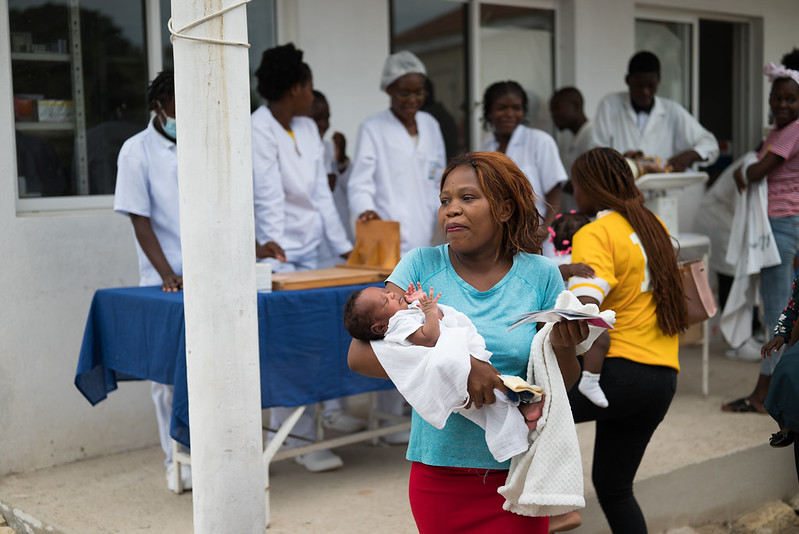
Maria Paquisse holds her baby after having her weighed as part of a program for pregnant and breastfeeding women living with HIV and their children at CMI health facility in Benguela, Angola. (Photo: Artur Francisco for ICAP)
In Angola, support from PSA enabled the scale-up of early infant diagnosis (EID) for HIV, multi-month dispensing of ART, and transition to dolutegravir-based HIV treatment regimens – the “gold standard” for HIV treatment. Viral suppression improved significantly among pregnant women and children. Angola also revised national HIV testing guidelines to integrate intimate partner violence screening and ethical testing practices — a lasting policy reform with broad implications.
In Zambia, ICAP introduced an innovative, data-driven “I-Surge” mentorship model across hundreds of facilities, institutionalizing daily data review to identify gaps and inspire action. I-Surge improved HIV testing yield and strengthened linkage to care, retention, and viral load monitoring.
In Cameroon, ICAP strengthened HIV case finding, improved viral load coverage, and introduced recent infection surveillance — enhancing the country’s ability to track and respond to transmission hotspots by identifying individuals early in their infection as the first step towards offering timely interventions to improve health outcomes for those with HIV and to prevent HIV transmission to others.
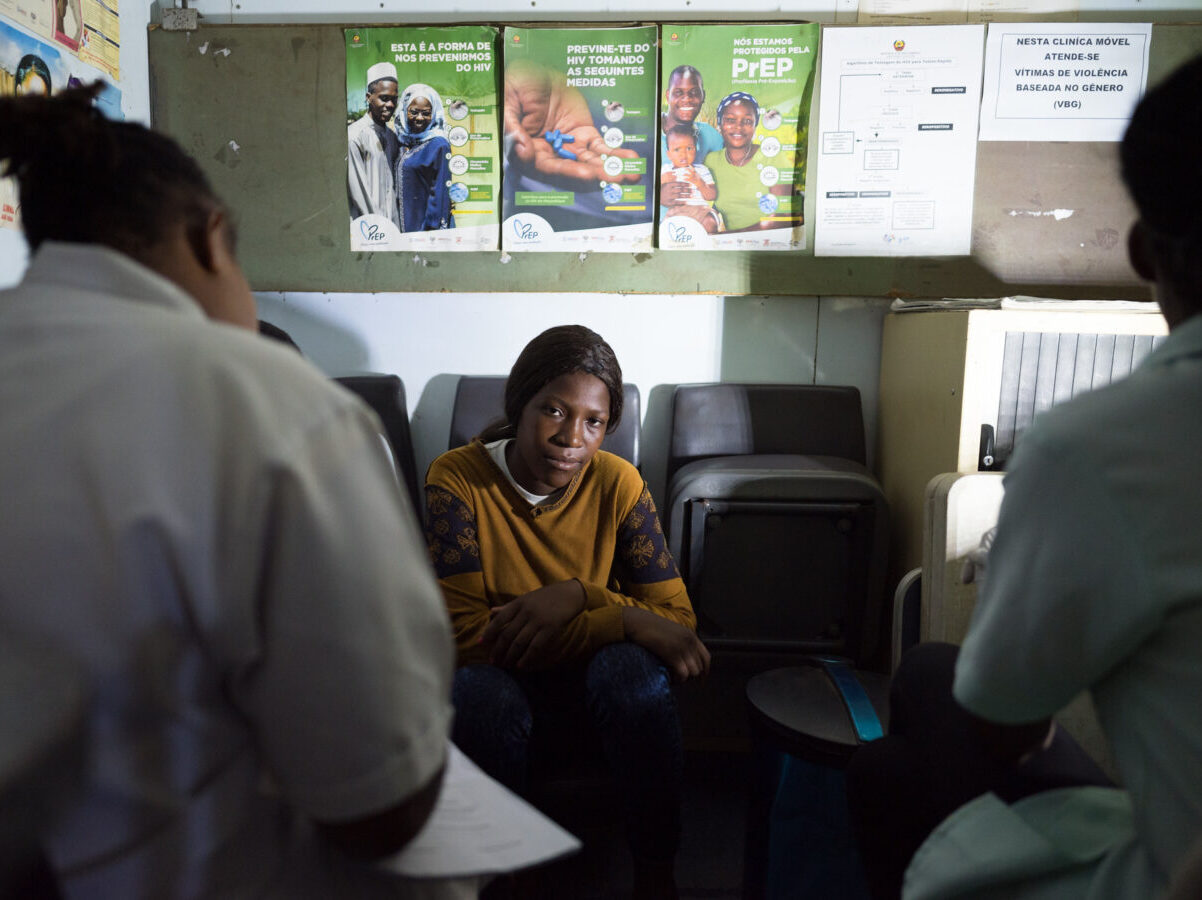
In Central and South America, ICAP brought PSA resources to bear in helping establish HIV prevention services in six countries. More than 11,900 individuals — many from migrant or otherwise underserved communities — initiated pre-exposure prophylaxis (PrEP). Countries that had not previously offered public-sector PrEP now have sustainable delivery models integrated into national systems.
Transforming Pediatric HIV Treatment
One of PSA’s most significant clinical impacts has been in pediatric HIV treatment optimization.
In South Sudan, for example, nearly all eligible children were transitioned to pediatric dolutegravir-containing ART, dramatically improving viral suppression. Before transition, many children struggled with adherence due to the poor taste of older regimens. After this transition, viral suppression among children rose substantially — narrowing the gap between pediatric and adult outcomes.
ICAP also supported the introduction of similar pediatric optimization efforts in other supported countries, including Cameroon and Angola, contributing to better long-term outcomes for children with HIV across global regions.
“PSA played an important role in enabling a number of countries to improve pediatric HIV outcomes,” said Elaine Abrams, MD, senior research director for ICAP. “Giving children a chance to live long healthy lives is one of our most important objectives, and the work that we were able to accomplish under this high-impact global health grant really helped us reach that goal.”
Strengthening Laboratories: From Basic Services to Accreditation
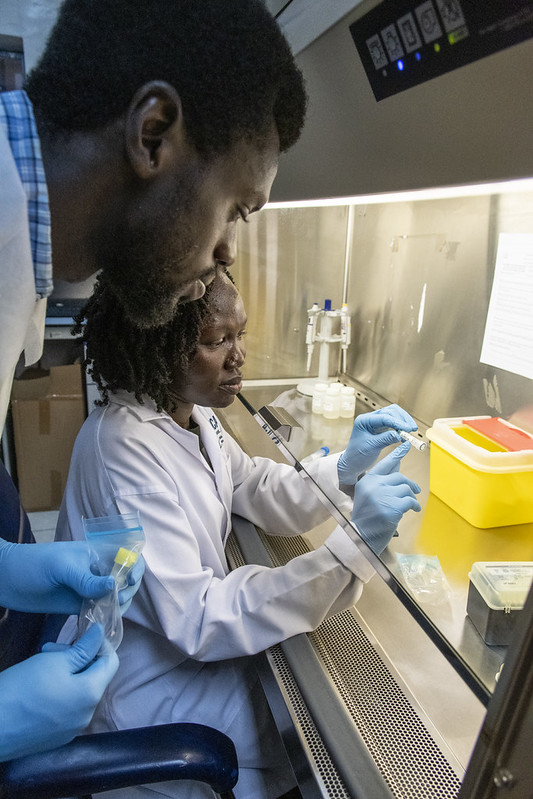
Lab technicians examine a blood sample for HIV being tested for HIV viral load at the National HIV Reference Laboratory in Juba, South Sudan.
Laboratory systems are the backbone of effective HIV programming — yet in many of the countries they were underdeveloped or fragmented.
With PSA funding, ICAP was able to mobilize critical resources to strengthen laboratory capacity and quality in a range of countries where improved diagnostic capabilities promised to make all the difference.
ICAP supported the expansion of an initiative called Strengthening Laboratory Management Toward Accreditation (SLMTA) across multiple countries, engaging in a series of training and mentoring activities to improve quality, safety, and efficiency of laboratories at the heart of the effective testing and diagnosis of HIV.
In Burkina Faso, ICAP efforts supported the National Tuberculosis Reference Laboratory to become the first internationally accredited medical diagnostic laboratory in the country.
In South Sudan, similar accreditation efforts elevated the National HIV Reference Laboratory to become the first laboratory in the country to meet international standards.
In the Democratic Republic of Congo, ICAP supported the introduction of HIV proficiency testing systems and quality dashboards — visual, data-driven systems that empower health officials to monitor testing accuracy, efficiency, and health outcomes — in provinces previously lacking these tools.
Moreover, because these laboratory investments have long-term implications beyond HIV — improving diagnostic capacity for TB, respiratory diseases, emerging infections, and future outbreaks — they represent a long-term return on investment for each country and promise to help these national health systems advance on their journeys to independence and sustainability.
Protecting Progress During COVID-19
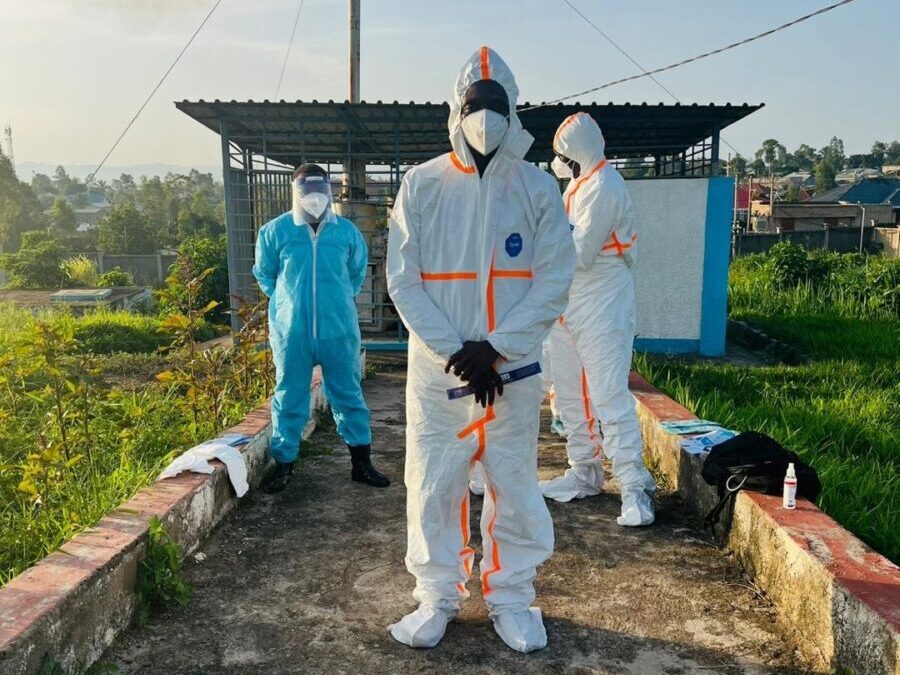
The COVID-19 pandemic posed a serious threat to HIV service integrity. Brought online during the global crisis, PSA enabled ICAP to leverage its technical expertise and experience to help countries adapt quickly to the emergency.
In Malawi, ICAP supported the conduct of nationwide SARS-CoV-2 sero-surveillance among nearly 6,000 pregnant women, generating critical data on infection trends and vaccine uptake.
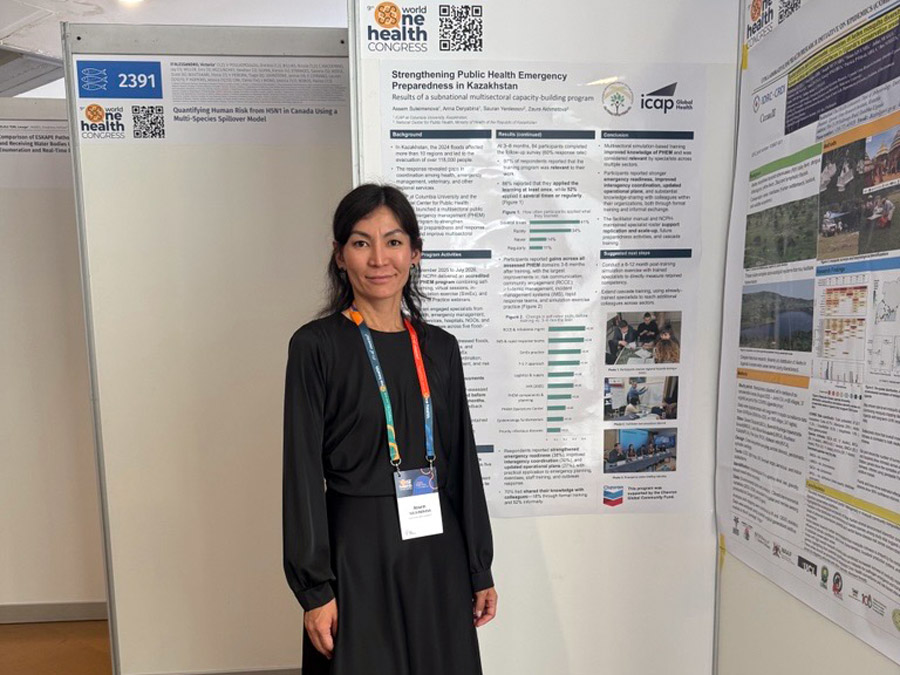
In Kazakhstan, ICAP supported the evaluation of home-based pulse oximetry for COVID-19 patients, procuring and distributing more than 2,000 pulse oximeters and home-care kits — supporting safe outpatient monitoring of oxygen levels to protect respiratory health.
In South Sudan, PSA made possible the implementation of infection prevention and control (IPC) initiatives, IPC assessments in 65 facilities, training of health workers, improvement of infrastructure in 10 facilities, and development of a national, five-year IPC strategy to help stem the spread of COVID-19.
By integrating pandemic response with HIV programming, a pathway was forged for ensuring continuity of lifesaving services while strengthening preparedness systems for future emergencies.
Advancing Prevention Among Vulnerable Populations
Prevention remains critical to ending HIV as a public health threat and one of the most effective forms of prevention for those at risk of HIV is pre-exposure prophylaxis (PrEP).
PSA supported scale-up of PrEP in six countries in Latin America and Caribbean — Guatemala, Honduras, El Salvador, Panamá, Colombia, and Perú; two countries in Asia — Myanmar and Philippines; and two countries in Africa — South Sudan and Zimbabwe. In these countries, ICAP helped governments update national guidelines, train providers, and develop differentiated service delivery models designed to increase prevention coverage for populations at risk for HIV.
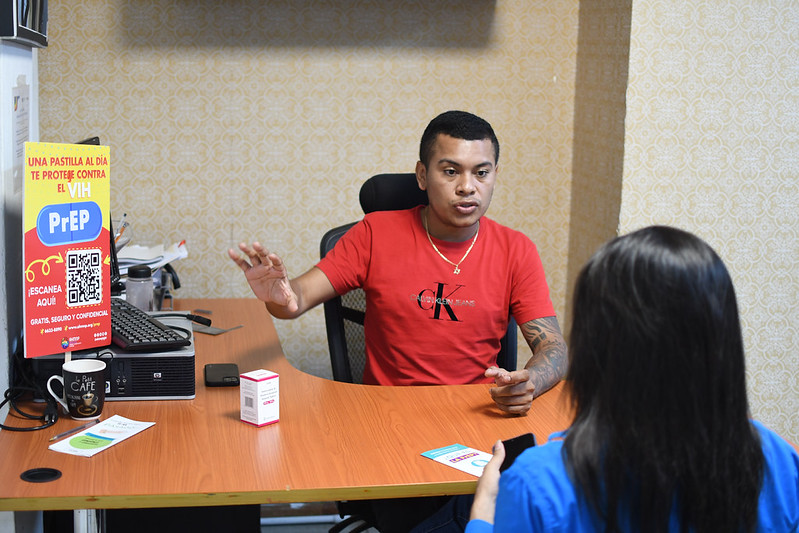
At at health center in Panamá City, Panamá, Delvin Simons discusses PrEP with a client at risk for HIV.
In Myanmar, for example, despite civil strife, ICAP enabled the expansion of PrEP services across six states, developed monitoring tools, and built capacity among public and private providers.
In addition to PrEP roll-out, PSA supported other effective prevention efforts directed toward groups with higher risk of HIV.
In Zimbabwe and Lesotho, ICAP expanded prevention efforts to girls and young women by providing technical support to the DREAMS (Determined, Resilient, Empowered, AIDS-free, Mentored and Safe) initiative, which comprehensively addressed key factors that make this population particularly vulnerable to HIV — factors that include gender-based violence, exclusion from economic opportunities, and limited educational attainment. In Lesotho, ICAP also provided support to enable gathering the data that helped program services to more effectively reach populations at risk for HIV.
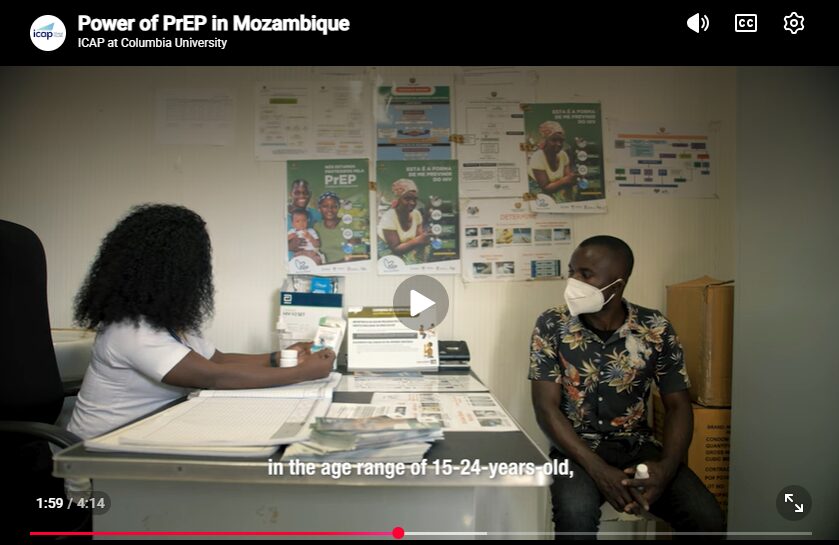
An episode of ICAP’s Power of PreP series looks at HIV prevention in Mozambique.
In Malawi, surveys were also key. With PSA, ICAP supported the conduct of national biobehavioral surveys and population size estimation among populations facing higher risk of HIV — training 250 staff and generating data on HIV prevalence, viral suppression, and service access barriers. This evidence was essential for providing equitable access to lifesaving services across an entire population.
With support from PSA, ICAP also created a seven-part video series entitled the Power of PrEP, which served to showcase hoow PrEP has helped individuals from vulernable groups in the Democratic Republic of Congo, Kenya, Nigeria, Mozambique, Guatemala, and Panamá stay healthy in the face of an elevated risk of contracting HIV. One of the videos was honored by 7th Annual CUGH-Pulitzer Global Health Video Competition, held by the Colleges and Universities in Global Health (CUGH).
Data for Decision-Making
Across the entire spectrum of countries where ICAP worked with PSA support, ICAP emphasized strategic information and real-time data-use to collect and evaluate data that yields the critical insights needed to effectively and efficiently implement services and interventions.
From electronic medical record systems in Zambia to development of data visualization dashboards in Eastern Europe and Central Asia, these efforts strengthened data collection, analysis, and visualization capacity.
Under PSA, ICAP created a community of practice and held a series of trainings in pan-respiratory disease surveillance for epidemiologists in Kyrgyzstan, Kazakhstan, Georgia, and Uzebekistan.
In Brazil, ICAP supported mathematical modeling in 10 priority areas, strengthening surveillance integration and informing national HIV planning.
In Uganda and Ethiopia, ICAP teams conducted evaluations of immunization systems, assessing vaccine hesitancy and the impact of COVID-19 on routine immunization — generating actionable recommendations for recovery.
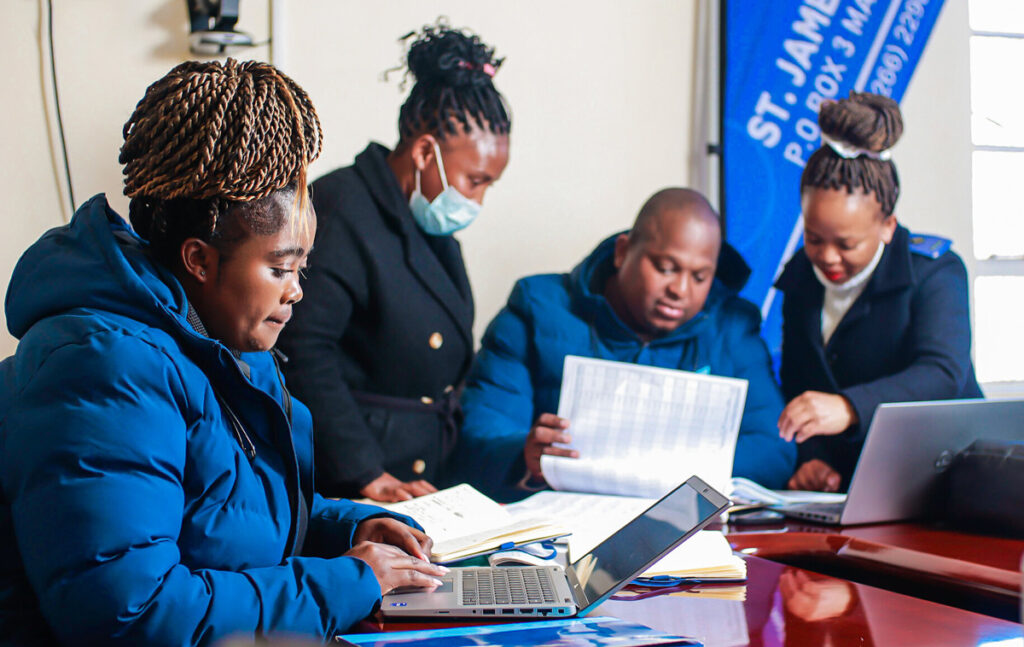
In Lesotho, ICAP’s Continuous Quality Improvement (CQI) initiative brought a data-driven approach to improving processes, safety, and patient outcomes ongoing changes.
And in a global tuberculosis preventive treatment (TPT) landscape analysis, efforts led to the review of policies across 44 countries and designed a dashboard toll to summarize tuberculosis screening and TPT recommendations for pregnant and breastfeeding women living with HIV — informing global policy discussions.
Building Sustainable National Capacity
Beyond these many achievements, PSA provided the resources for ICAP to focus on investing in widespread leadership, mentorship, and institutional change.
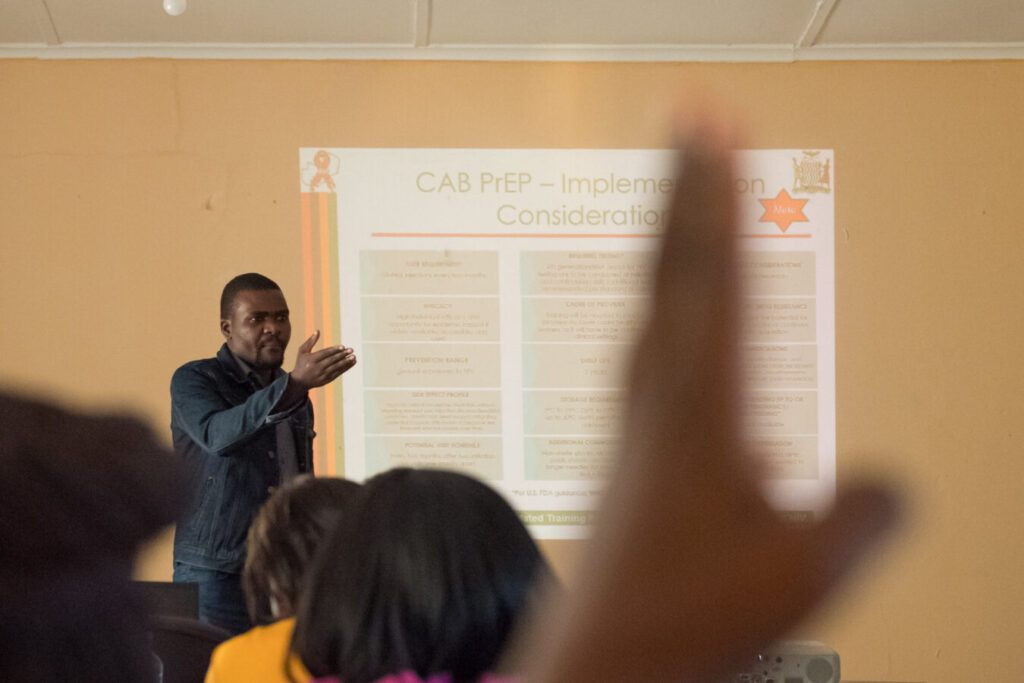
In Zambia, ICAP trained health workers on a range of subjects, including updated PrEP formulations. (Photo: Artur Francisco for ICAP)
Thousands of health workers were trained in dozens of countries. Provincial and district health teams were mentored to lead data review meetings and quality improvement initiatives independently. National technical working groups were strengthened. Guidelines were revised. Policies were institutionalized.
Community-based models were also expanded — from tracking of treatment-interruption in South Sudan to community HIV testing in Central America.
As with much of what was accomplished under PSA-supported work, these activities resulted in much more than short-term benefits. Rather, they represent system-level transformations that will serve these countries long into the future.
“From Angola to Zimbabwe, from Myanmar to Malawi, PSA has strengthened the foundations of epidemic control in countries struggling to adapt to a changing global health landscape,” said Dr. Abrams. “As countries continue the progress toward ending AIDS as a public health threat by 2030, the legacy of this work through PSA will endure. This dynamic and flexible award resulted in stronger laboratories, better-trained health workers, more resilient surveillance systems, and, above all, millions of individuals receiving the HIV care and prevention services they need to stay healthy. Truly, it has a left a unique legacy health across the globe.”
About ICAP
A major global health organization that has been improving public health in countries around the world for two decades, ICAP works to transform the health of populations through innovation, science, and global collaboration. Based at Columbia Mailman School of Public Health, ICAP has projects in more than 40 countries, working side-by-side with ministries of health and local governmental, non-governmental, academic, and community partners to confront some of the world’s greatest health challenges. Through evidence-informed programs, meaningful research, tailored technical assistance, effective training and education programs, and rigorous surveillance to measure and evaluate the impact of public health interventions, ICAP aims to realize a global vision of healthy people, empowered communities, and thriving societies. Online at icap.columbia.edu