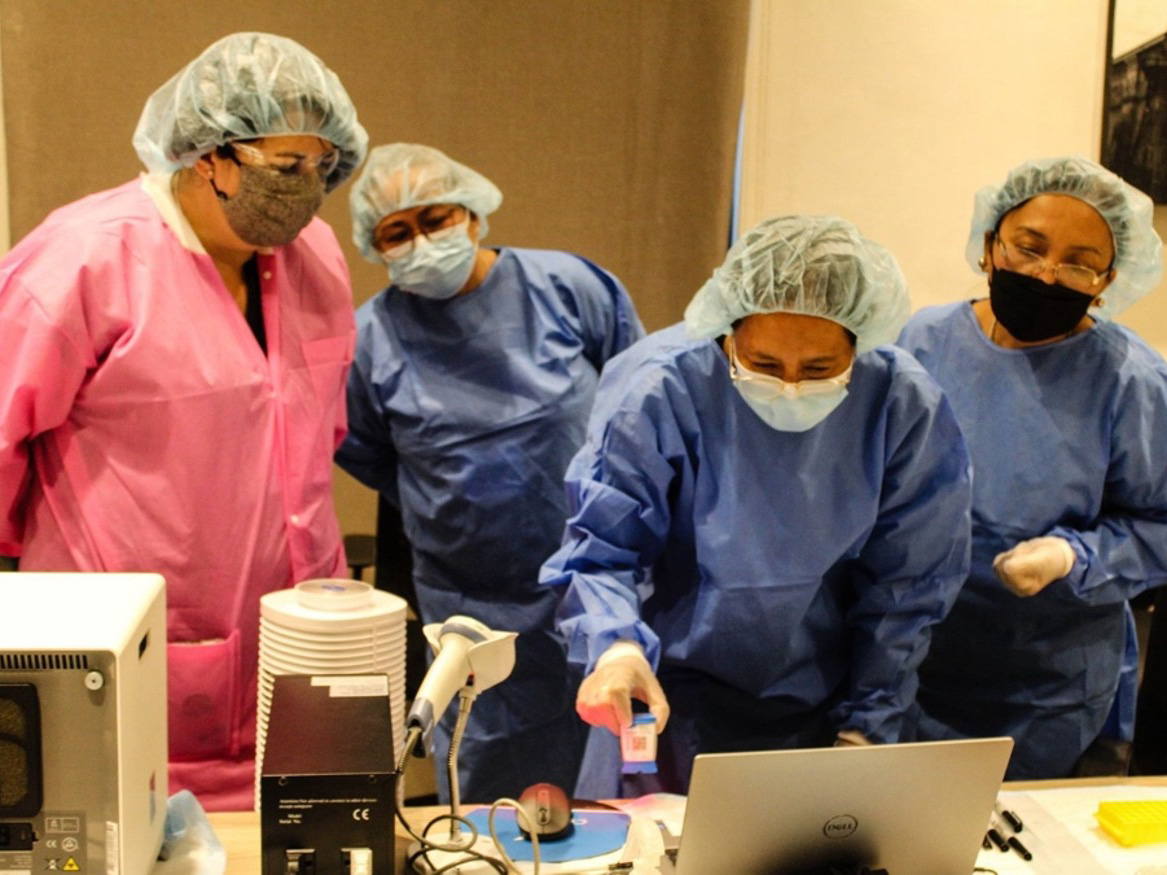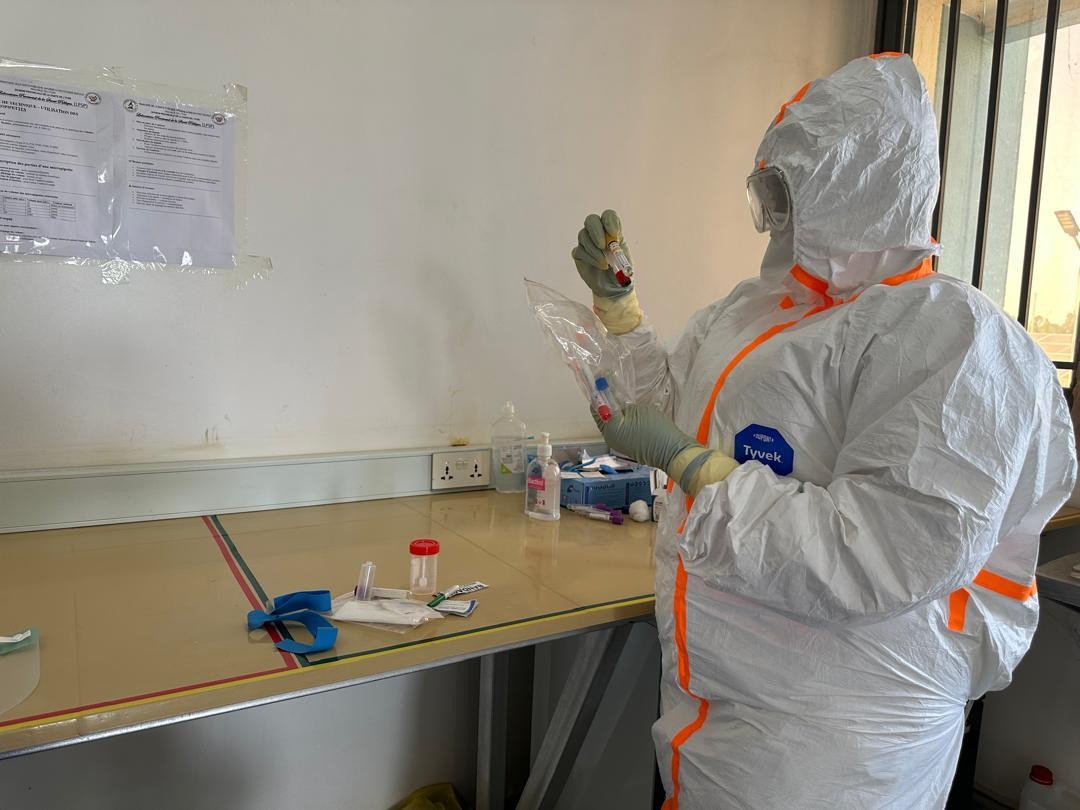
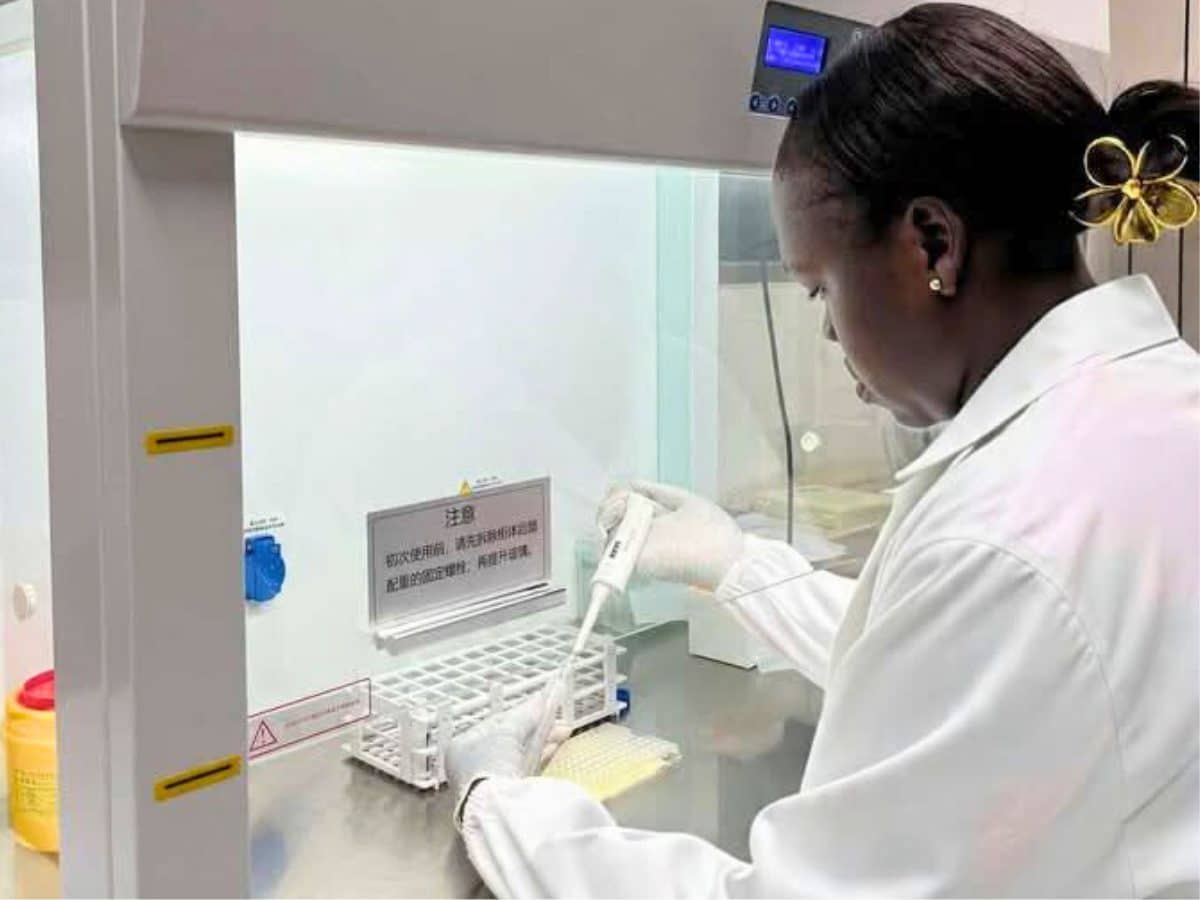
In collaboration with the National Public Health Laboratory, ICAP in South Sudan is implementing a laboratory quality improvement program among eight selected facilities across the country.
After a recent audit, three of the facilities achieved important quality improvement milestones – demonstrating essential progress toward meeting international accreditation standards.
The South Sudan laboratory quality improvement program operates within parameters set by the World Health Organization’s Stepwise Laboratory Quality Improvement Process Towards Accreditation (SLIPTA), which recognizes the progress of medical laboratories in meeting international quality standards. Achieving SLIPTA “stars” serves as a certificate of recognition and a way for laboratories to track their progress towards achieving full accreditation.
Currently, no hospital laboratory in South Sudan has attained five-star accreditation, the highest standard for SLIPTA laboratory compliance. Gaps in quality improvement are evidenced by frequent misdiagnoses of HIV, malaria, typhoid, and other health conditions, which result in inaccurate clinical management. Obtaining accreditation for hospital laboratories will help build capacity to address such issues and ensure patients receive appropriate care.
“In addition to improving care, lab accreditation is essential for empowering facilities and South Sudan’s public health sector to detect and declare epidemics, obtain reliable data for resource mobilization, and conduct independent laboratory-based research,” said Mambo Minga, lab program lead for ICAP in South Sudan. “Quality laboratory data is also critical for the development of evidence-based policies over the long-term.”
After a recent audit by the African Society for Laboratory Medicine (ASLM), three ICAP-supported laboratories previously ranked with zero stars were ranked with two SLIPTA stars.
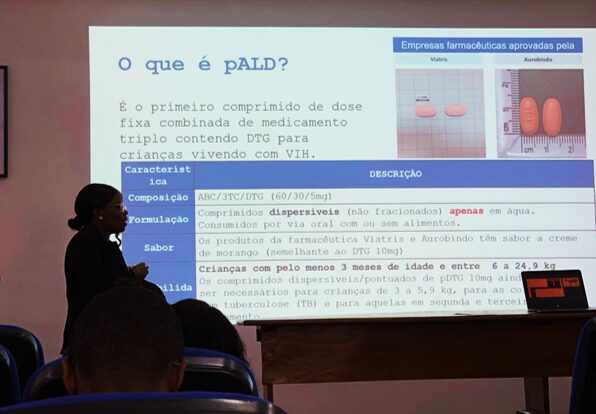
To achieve this accreditation, ICAP provided technical support to the three facilities through training, mentorship, and delivery of essential supplies. ICAP trained, for example, 35 laboratory personnel on the fundamental building blocks of laboratory quality management.
Although all three hospitals had dedicated laboratory managers, none previously had personnel specifically tasked with overseeing the implementation of quality, safety, or inventory management systems. With the support of ICAP, personnel were appointed as quality, safety, and inventory officers responsible for routine lab quality management implementation. All management and technical staff underwent training on routine laboratory policies, processes, and procedures.
“Training helped me gain practical skills to strengthen the quality, efficiency, and credibility of our laboratory diagnostic services,” said Ihisa Peter, a quality officer at Torit State Hospital, which received technical assistance from ICAP. “I learned to identify performance gaps, apply corrective actions, and foster a culture of continuous improvement. It also empowered me to take more active leadership roles, promote teamwork, and move our laboratory even closer to meeting the international standards.”
ICAP-trained auditors and mentors conducted routine and scheduled mentorship and assessments of the labs, from which key quality management documents were developed, including quality manuals, standard operating procedures, and job aids. Mentorship also included monthly reviews of quality indicators and records, such as turnaround times, quality control results, stock-outs, and risk mitigation effectiveness, culminating in the development of improvement projects or corrective and preventive actions. Mentors additionally supported laboratory management in conducting customer satisfaction surveys and annual management review meetings, fostering stakeholder engagement to collaboratively address challenges hindering the achievement of reliable, accurate, and timely laboratory results.
“These improvements in laboratory service quality represent a significant milestone for South Sudan’s health system,” said Nyikadzino Mahachi, MBChB, MPH, country director for ICAP in South Sudan. “Improving the quality of laboratory services enhances the country’s capacity to diagnose diseases accurately, respond swiftly to outbreaks, and guide evidence-based health interventions. ICAP, in collaboration with the Ministry of Health and the National Public Health Laboratory, remains committed to building a resilient and sustainable health system capable of addressing South Sudan’s major public health challenges.”
ICAP will continue collaborating with the three facilities to address identified gaps that remain – ultimately working toward a five-star SLIPTA rating, international accreditation, and overall improved laboratory quality across the country.
About ICAP
A major global health organization that has been improving public health in countries around the world for two decades, ICAP works to transform the health of populations through innovation, science, and global collaboration. Based at Columbia Mailman School of Public Health, ICAP has projects in more than 40 countries, working side-by-side with ministries of health and local governmental, non-governmental, academic, and community partners to confront some of the world’s greatest health challenges. Through evidence-informed programs, meaningful research, tailored technical assistance, effective training and education programs, and rigorous surveillance to measure and evaluate the impact of public health interventions, ICAP aims to realize a global vision of healthy people, empowered communities, and thriving societies. Online at icap.columbia.edu