The Ebola epidemic in the Democratic Republic of Congo (DRC), first confirmed in May 2026, has been spreading with devastating consequences. As of September 7, a total of more than 6,757 confirmed cases and 3,267 deaths have been reported, according to the Ministry of Health. This amounts to a case fatality rate of 48,1% or nearly one in every two people who contract the disease dying from it.
Experts believe cases are likely underreported, and the actual number could be much higher than the official figures.
According to the World Health Organization, this outbreak is on track to surpass the 2014 epidemic, which killed more than 11,000 in West Africa from 2014 to 2016, and some experts argue that it has the potential to become a global pandemic.
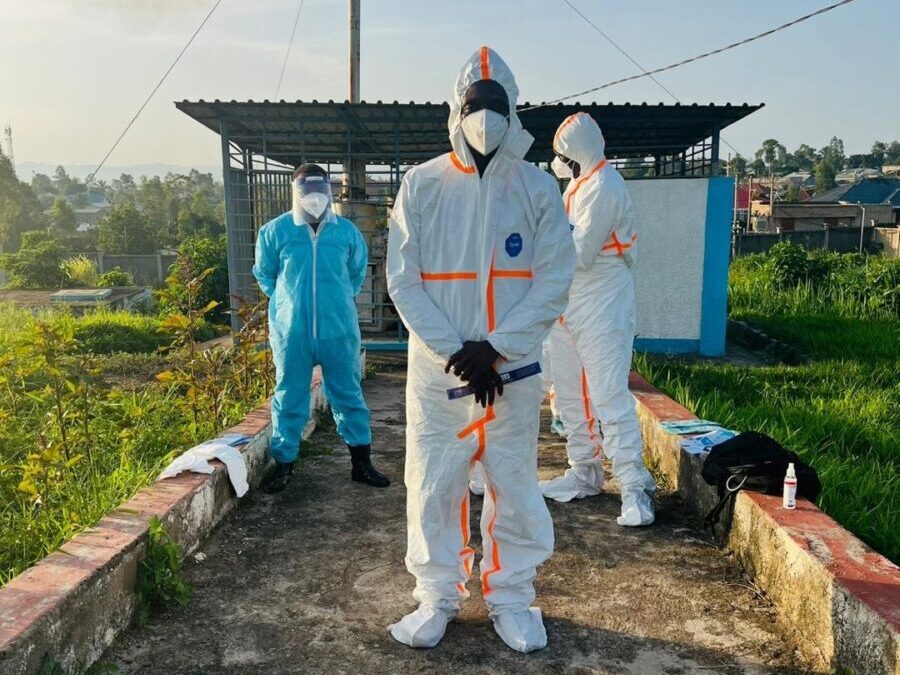
The crisis has taken a severe toll on health care workers in the DRC, with 158 infections and 45 deaths reported so far. Frontline health teams have suffered not only from a lack of personal protective equipment (PPE) – essential to keeping them safe from infection – but also from outbreaks of violence directed at them by people who have become suspicious of the aid workers.
Several interrelated factors have exacerbated the situation. Unlike previous Ebola outbreaks in the region, there is currently no approved vaccine or specific treatment for the current strain, which is known as Bundibugyo, or BVD. Because the outbreak stretches across a large swath of the country – six provinces and 61 health zones – characterized by difficult terrain, interventions to control the spread and care for those who have been infected have been delayed and hampered. At the same time, ongoing armed conflict in the region has created extremely dangerous conditions for those trying to provide health assistance as well as for those seeking testing and treatment. In addition, isolated strikes over unpaid wages remain a recurring source of fragility for the frontline health workforce, creating additional pressures on the efforts to control the outbreak.

A laboratory staff member safely disposes of waste in an incinerator at the lab in Bunia, Ituri province.
Against the backdrop of this growing health emergency, which not only harms the people of the DRC but also threatens neighboring countries and even the world at large, ICAP at Columbia University has been tasked with strengthening infection prevention and control (IPC) systems that are essential to protecting patients and health workers alike.
This work, supported by the US Centers for Disease Control and Prevention (CDC), in collaboration with the DRC Ministry of Health, builds on ICAP’s significant experience in bolstering IPC in the country as a cross-cutting foundation for detection, containment, and health system resilience.
To date, with CDC funding, ICAP has implemented a wide range of key IPC improvements, including: supporting the development and validation of the national IPC strategy and the country’s five-year IPC strategic plan stretching from 2023 to 2027; delivering an IPC fundamentals course with the Kinshasa School of Public Health (KSPH) that graduated 81 trainees, and advancing a post-graduate IPC diploma program with KSPH as well; establishing a national IPC community of practice to facilitate the exchange of best practices; and in collaboration with CDC, conducting, quality improvement activities.
In late 2025, in response to the country’s previous Ebola outbreak, ICAP launched an emergency Ebola IPC/WASH (water, sanitation, hygiene) resilience initiative centered on the Bulape Health Zone, the outbreak epicenter of that outbreak, with additional support extended to Mweka Health Zone. Under that response, ICAP deployed local IPC supervisors and conducted a baseline IPC/WASH assessment of 10 facilities across the two health zones using the DRC Ebola IPC/WASH Rapid Assessment Tool. ICAP also developed facility-specific improvement plans, procured and distributed IPC supply kits, delivered intensive mentorship and supportive supervision, and transitioned short-term surge staffing into permanent IPC positions.
Building on this track record, ICAP is now gearing up to extend proven IPC and WASH support to the health care facilities on the front lines of the current outbreak – the country’s 17th.
“Health facilities remain extremely vulnerable to Ebola transmission when cases are not rapidly identified, safely isolated, and managed using appropriate IPC measures,” said Dr Jacques Bikaula Ngwidiwo, global health security project director for ICAP in the DRC, who has been leading ICAP’s efforts on the ground in Bunia, Ituri province, one of the focal areas of the epidemic. “Strengthening IPC and WASH systems across health facilities and communities is critical to interrupting transmission, protecting health workers, maintaining essential health services, and improving preparedness for future outbreaks.”
While ICAP’s ongoing work in the country has resulted in significant improvement in IPC, the current outbreak highlights persistent gaps in screening and triage systems, health worker protection, environmental cleaning and disinfection, waste management, water and sanitation infrastructure, and management of health worker exposure. Community-level transmission risks also remain high due to unsafe burial and handling of contaminated materials, delayed care-seeking, home-based caregiving, and limited awareness of Ebola prevention measures.

At the lab in Bunia, ICAP’s Jacques Bikaula Ngwidiwo (left) talks to lab staff about IPC practices such as donning and doffing PPE, sample preparation, waste disposal, and cleaning of equipment.
“With a strong IPC background in place, we will now be looking to interrupt health care-associated transmission of Bundibugyo Ebola virus in the affected provinces,” said Stéphania Koblavi, PharmD, PhD, ICAP’s country director in the DRC. “In the heat of this emergency, we are implementing a comprehensive plan to reduce transmission through strengthening IPC and WASH systems; train health facility workers in their own environments to better understand and adhere to IPC practices; improve protocols around managing health worker exposure and transmission; and stand up a monitoring and evaluation backbone to track performance and keep our efforts aligned with the national response.”
While the workplan promises to provide essential support to the DRC over the coming months of what is sure to be a complex and difficult campaign to contain this outbreak, more resources are needed.
“We have the knowledge, skill, and field experience to do this work effectively,” said Susan Michaels-Strasser, PhD, MPH, RN, FAAN, ICAP’s senior director of Human Resources for Health Development. “But we need support to purchase personal protective equipment, establish handwashing stations, and build triage systems that span community to clinic. These investments do more than contain infection: they give patients a reason to seek care, and they give health workers the protection they need to keep showing up.”
While Michaels-Strasser is hopeful that additional philanthropy will help provide much needed funds for essential protective equipment and allow those at the frontlines to maintain a robust response, she also notes another commodity that is in short supply: trust. Longstanding suspicion of institutions among the population, combined with a surge in the dissemination of misinformation and disinformation, has led to an eroding of trust.
“Trust is as essential as infection prevention and control in resolving an epidemic,” said Michaels-Strasser. “Trust in the health system’s ability to protect and treat the sick must be a priority in the DRC. That is why, with every step of our work to address this outbreak, ICAP makes rebuilding that trust a priority.”
About ICAP
A major global health organization that has been improving public health in countries around the world for two decades, ICAP works to transform the health of populations through innovation, science, and global collaboration. Based at Columbia Mailman School of Public Health, ICAP has projects in more than 40 countries, working side-by-side with ministries of health and local governmental, non-governmental, academic, and community partners to confront some of the world’s greatest health challenges. Through evidence-informed programs, meaningful research, tailored technical assistance, effective training and education programs, and rigorous surveillance to measure and evaluate the impact of public health interventions, ICAP aims to realize a global vision of healthy people, empowered communities, and thriving societies. Online at icap.columbia.edu