Lenacapavir launch marks latest chapter in ICAP’s decade-long story of helping bring cutting-edge pre-exposure prophylaxis (PrEP) to the country’s at-risk populations
For people with elevated risk of acquiring HIV, PrEP is power. Pre-exposure prophylaxis, or PrEP, is antiviral medication taken by people who may be exposed to HIV through sex or injecting drugs. When used consistently, PrEP can reduce the chance of a person getting HIV dramatically – by up to 99% from sex and nearly 75% from injectable drug use.
Since it was first approved for HIV prevention in 2012, PrEP has gone through a consistent evolution. The earliest forms of PrEP involved pills that needed to be taken on a daily basis according to a strict schedule to afford protection. In 2021, the introduction of a long-acting injectable form of PrEP that needs to be taken only once every two months brought new effectiveness and convenience to HIV protection for people at-risk, addressing one of the key challenges, which is ensuring that people stay on PrEP to remain protected. Another form of PrEP called the dapivirine vaginal ring has offered protection specifically for women who might not have access to other forms of PrEP – especially women living in under-resourced communities in sub-Saharan Africa.
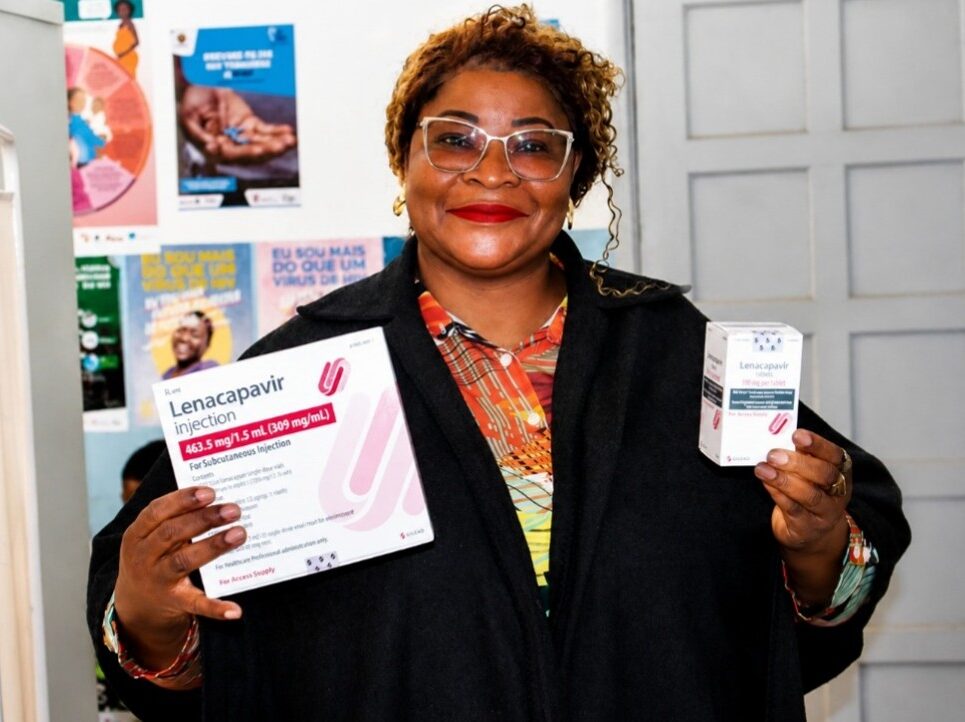
The 2025 approval of a new form of PrEP called Lenacapavir has promised to revolutionize HIV prevention. This new PrEP method is given by an injection that affords protection for six months. Since it needs to be administered only twice a year, it offers tremendous advantages over other forms of PrEP. Users of Lenacapavir can keep their protection active much more easily and the need for an injection only once every six months helps avoid stigma, which has been a major impediment for many users of PrEP.
Earlier this year, Mozambique joined the increasing number of countries that are incorporating Lenacapavir into their HIV programs. Introducing new forms of HIV prevention is a complex undertaking, requiring experience and deep understanding of the country and its HIV epidemic. As a key partner in introducing and scaling-up effective PrEP options in Mozambique, ICAP has set the stage for the current launch of Lenacapavir in the country.
“For more than a decade, ICAP has spearheaded the introduction of PrEP services for priority populations at higher risk of HIV infection in Mozambique,” said Eduarda Pimentel de Gusmão, ICAP’s country director in Mozambique. “Our work to advance PrEP coverage and introduce new modalities has been a story of commitment to the idea that we can truly help vulnerable people protect themselves, and, in the process, make progress toward the goal of controlling the HIV epidemic in the country.”
The Beginning: PrEP for Partners of Migrant Miners
ICAP’s critical work around PrEP in Mozambique dates back to 2015, when, with funding from the World Health Organization (WHO), ICAP implemented a small-scale research study in the country’s Gaza province to measure acceptability of PrEP use among female partners of miners who live the majority of the year abroad, working in the mines in South Africa. Prior to the holiday season, ICAP offered PrEP to partners of miners and measured their adherence throughout an eight-week, high-risk period. Results demonstrated high acceptability and adherence among the priority population and the Mozambique Ministry of Health (MISAU) used findings from the study to initiate negotiations for PrEP implementation in health care settings.
Protecting At-Risk Couples
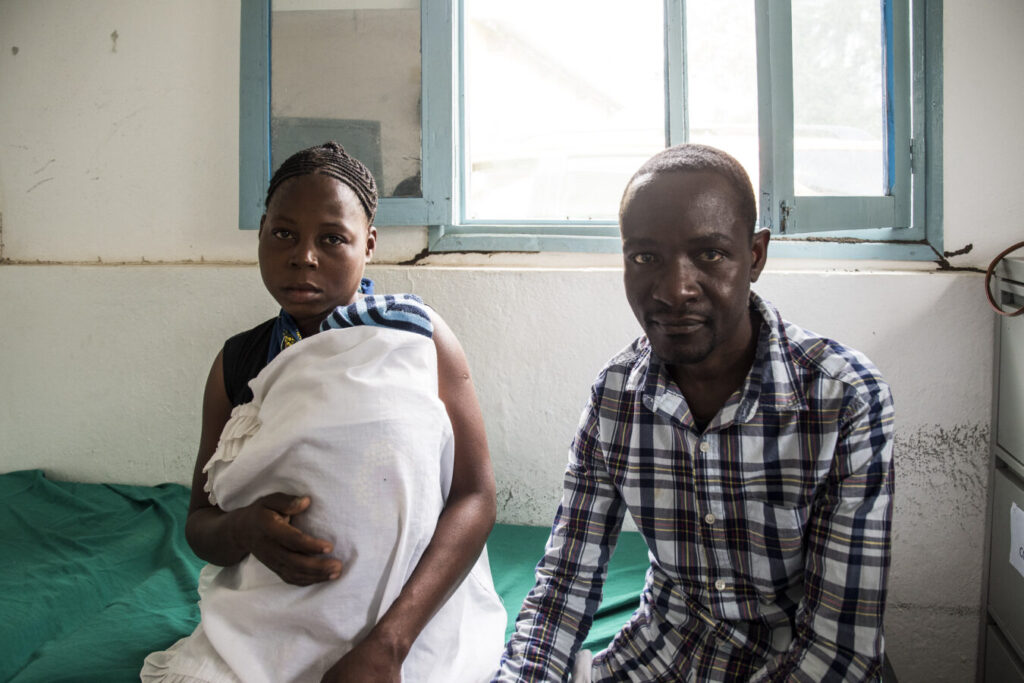
A serodiscordant couple with their baby at the Nicoadala Health Center
One area where PrEP has proved to be indispensable is among serodiscordant couples – couples in which one partner has HIV and the other does not. For these couples, PrEP can allow them to maintain sexual relations while the partner living without HIV can be protected from acquiring it.
Between February 2018 and July 2019, ICAP supported MISAU to implement a PrEP pilot project targeting serodiscordant couples at 30 health facilities in Zambezia province. During the pilot, 2,919 people began using PrEP — 37% were adolescent girls and young women ages 15-24 years and 59% were under 30 years. ICAP also implemented an evaluation of the pilot in Zambezia, which provided important qualitative and quantitative information on PrEP acceptability and facilitators and barriers to uptake. This evaluation served as guidance for PrEP introduction in the country.
“ICAP’s PrEP work in Zambezia paved the way for serodiscordant couples to begin living healthy and safe lives together,” said Mirriah Vitale, who was country director for ICAP in Mozambique at the time and now serves as ICAP’s senior director for Strategies and Partnerships. “This was an important step forward in impeding the spread of HIV in the province and yielded information that would inform the ongoing nationwide introduction of PrEP.”
Expanding the PrEP Tent
By 2019, MISAU expanded eligibility guidelines for PrEP to include priority populations —men who have sex with men, female sex workers, adolescent girls and young women at high risk (15-24 years), pregnant or lactating women aged 15 years or older with serodiscordant or unknown partners who presented with high-risk factors, and serodiscordant couples. In 2021, these guidelines expanded further to include male truck drivers, prisoners, miners, and soldiers 25 years and older. In 2023, MISAU widened the criteria once more, opening PrEP to any individual who expressed an interest in taking it.

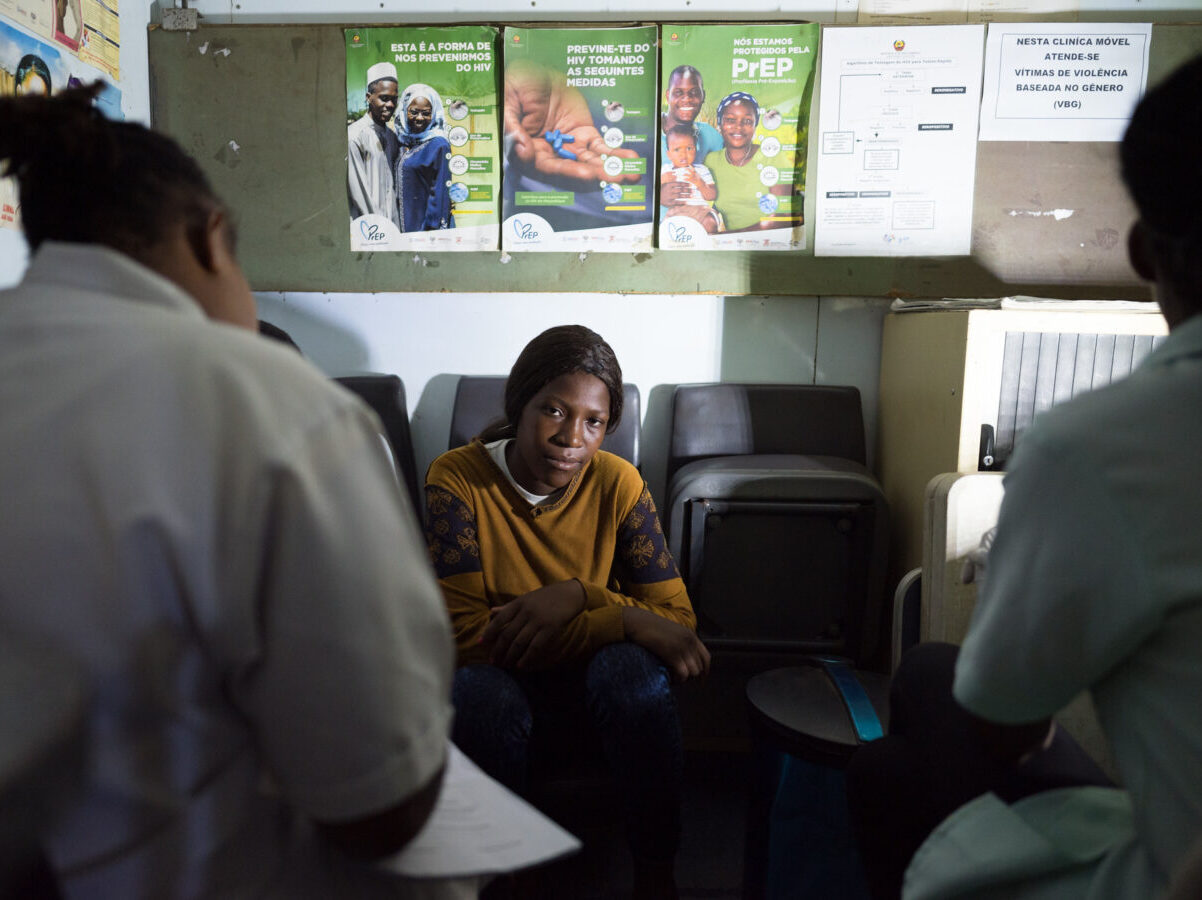
In Nampaco. Nampula, Atija Assane Jose receives information on PrEP from health worker Narcision Fausto Pedro. Altija’s husband tested positive for HIV but she tested negative. (Photo: Artur Francisco for ICAP)
In 2019, ICAP supported scale-up of PrEP in Nampula, the largest province in the country, which experienced one of the highest rates of new infections among adolescent and youth, as well as the highest level of vertical transmission – transmission between pregnant and breastfeeding mothers to their children – in the country. To support much-needed HIV prevention in Nampula at this time, ICAP worked in close collaboration with provincial leadership to adapt tools and outreach strategies for serodiscordant couples, priority populations, and adolescent girls and young women at high risk for acquiring HIV.
Between 2018 and 2029, thanks to these efforts, nearly 15,000 people received PrEP at ICAP supported health facilities in Zambezia and Nampula.
A PrEP Partner in Clinics and the Community
ICAP’s long partnership with Mozambique’s health system to advance HIV prevention has found success through a dynamic and innovative approach to reaching people effectively. ICAP’s work in Nampula province exemplifies this approach.
At the heart of PrEP promotion in Nampula is the “one-stop shop” concept, which offers PrEP eligibility screening, initiation, and follow-up at key entry points within health facilities. These entry points include antenatal care, family planning, voluntary counseling and testing services, and adolescent and youth friendly services. In designing and implementing these services, ICAP works with health facilities, district, and provincial managers to ensure all clinical and lay staff are trained to promote PrEP to priority populations, identify eligible clients, and provide PrEP initiation and follow-up, including routine screening for acute HIV infection.

An ICAP-Supported mobile clinic stands by to provide HIV prevention — including PrEP — in Nampula. (Photo: Artur Francisco for ICAP)
To improve access to HIV prevention, care and treatment services across Nampula, ICAP works with provincial and district leadership to implement community-based mobile clinics and mobile brigades. Within 16 communities, ICAP mobile clinic and brigade teams integrate combination HIV prevention, including PrEP screening, initiation and follow-up with HIV, tuberculosis, and maternal and child health services.
To further meet the needs of people at high risk of HIV acquisition, ICAP supports mobile clinics that operate at night and on the weekends in hotspots such as bars, night clubs, and brothels in Nampula City, Nacala Porto, Meconta, Nacala a Velha and Moma districts. Through these mobile clinics, ICAP offers a full combination of HIV prevention, including HIV testing, treatment for STIs, PrEP, and antiretroviral therapy services.
In addition, ICAP has established mobile brigade services in communities surrounding mines in Nampula province, offering comprehensive HIV prevention, care and treatment to miners and their communities.
Since October 2020, 702 individuals have received PrEP through ICAP supported mobile clinics and mobile brigades.
ICAP has also worked with Nampula provincial leadership to use mobile brigades to offer comprehensive HIV prevention, care and treatment services to prisoners, including routine clinical care, HIV testing, and PrEP initiation and refills. The ICAP teams also work to ensure prisoners are linked to health facilities for continued care upon release.

A night clinic visits a hotspot where people at-risk for HIV congregate to provide testing and prevention, including PrEP. (Photo: Artur Francisco for ICAP)
ICAP enhances outreach to priority populations in Nampula by working closely with two community-based organizations serving populations at high risk of HIV acquisition: Lambda. for men who have sex with men, and Watana, for female sex workers and their biologic children.
“Experience has clearly shown that to be truly effective, we need to bring PrEP to people both in health facilities and in the community,” said Pimentel de Gusmão. “The close ties we have forged with the community organizations over the years have allowed us to establish the trust that is key to reaching people with PrEP and helping them to keep up with their prevention regimens for the long term.”
Spreading the Word
In order for PrEP to make an impact, at-risk populations must be made aware of its benefits. To that end, ICAP invests significant efforts in raising awareness and “creating demand” for PrEP among those who most stand to benefit from it.

An ICAP-supported PrEP champion explains how PrEP works to a group of at-risk members of the community in Nampula.
One of the key ways of accomplishing this is through PrEP champions — experienced PrEP users who have received special training from ICAP to give health talks and one-on-one counseling. They also call clients to remind them of appointments and visit them at home when necessary to help ensure they keep up with their regimens. The PrEP champions have also been placed at universities and technical schools to promote awareness of PrEP and escort clients to services at health facilities or within the community,
In 2022, ICAP produced and released an installment of its Power of PrEP video series for distribution in Mozambique. Filmed in Portuguese at ICAP-supported health facilities, the video served as a tool to increase PrEP literacy, and to help ensure that everyone who could benefit from PrEP would be aware of it. The video was disseminated by MISAU via a range of media platforms and outlets in collaboration with community, clinical, and communication partners.
Mapping the New Prevention Landscape
In 2023-24, in partnership with MISAU, ICAP developed and implemented a qualitative study in Nampula province, assessing preferences among clients and providers for PrEP methods and delivery models, providing key information to inform PrEP delivery in country, including roll-out of long-acting methods. The study showed that knowledge of oral PrEP was limited, particularly among young people. While use of oral PrEP was high, at 98.6%, only 14.6% of clients completed 12 months of uninterrupted use, and only 23.5% were retested for HIV after three months. Discontinuation was driven by stigma — oral PrEP pills closely resemble HIV treatment — together with the burden of daily dosing and food insecurity. Clients and providers expressed a clear preference for injectable PrEP over the dapivirine vaginal ring, citing its discretion and the reduced number of visits required – further evidence that long-acting PrEP was poised to make a big difference.
Long-Acting PrEP Rewrites the Equation

ICAP’s Power of PrEP video has helped promote the benefits of PrEP in Mozambique.
Between December 2024 and July 2026, in partnership with the US Centers for Disease Control and Prevention (CDC) under the President’s Emergency Plan for AIDS Relief (PEPFAR), and MISAU, ICAP led the introduction of the first long-acting injectable PrEP method — cabotegravir, or CAB-LA — in Mozambique. For its part in bringing this latest breakthrough to the country, ICAP supported a pilot and evaluation implementation in Nampula. Conducted at a single health facility, the roll-out of CAB-LA was directed at adolescent girls and young women aged 15 to 24 years — a demographic considered critical for progress toward epidemic control in the country. Over the implementation period, 869 clients were reached through this form of PrEP.
In addition, to support a clearer understanding of this new PrEP method, ICAP conducted an evaluation of the feasibility and acceptability of CAB-LA in Mozambique. The evaluation showed that injectable PrEP was acceptable to young women and could be delivered through existing PrEP services, with nearly nine in ten participants saying they would recommend it. Even those who had stopped using it said they would recommend it.
“The evaluation further indicated that discretion and convenience were key to the desirability of this form of PrEP – no pills at home, no questions from family, fewer visits, freedom to travel,” said Pimentel-Gusmão.

A client at Muhala Expansão Health Center in Nampula City displays a vial of injectable cabotegravir (CAB-LA).
Continuation of CAB-LA, however, depended on the injection experience. Some women stopped using it after painful or poorly administered injections and perceived side effects, always compounded by inadequate explanation of what to expect, and mostly after several doses rather than at initiation. Misconceptions circulating through peers and families, and relocation without any means of continuing at another facility, further undermined persistence. The study led to the understanding that sustained use of any long-acting injectable option rests on four conditions — competent injection technique, structured pre-injection and post-injection counselling, engagement of clients’ social circles, and multi-site availability with functioning referral and reminder systems.
These important findings would ultimately inform MISAU’s policies toward the introduction of Lenacapavir in the country.
Bringing the Ring
Before Lenacapavir, however, ICAP continued its support in rolling out the most effective PrEP methods by collaborating with MISAU and the Children’s Investment Fund Foundation (CIFF), to introduce the dapivirine vaginal ring. Implementation of this long-acting PrEP method began at three health facilities and one community center in 2025. As with CAB-LA, the initial target group comprised adolescent girls and young women aged 15 to 24 years. Subsequently, the user group was extended to include women up to 29 years of age. Over the implementation period, 633 clients initiated this PrEP method.
Across both the CAB-LA and dapivirine ring pilot projects, ICAP’s support encompassed all components of implementation — from development of the training materials, to training staff, elaboration of standard operating procedures and job aids, production of health literacy and promotional materials, and update of registration tools to ensure they are easy for providers to use.
Lenacapavir: The Gamechanger

Cidália Januáro, a Lenacapavir client at Muhala Expansão Health Center in Nampula City.
When the long-acting cabotegravir pilot at Muhala Expansão Health Center in Nampula City ended in July 2026, clients risked a gap in HIV prevention or a return to oral PrEP. To prevent this, ICAP advocated with the Ministry of Health (MISAU) and CDC to add the health center to the national Lenacapavir pilot, which had recently been introduced in Mozambique. As a result, the health center began offering Lenacapavir in August 2026, as a way to ensure continuation of PrEP for individuals previously receiving other long-acting methods. ICAP supported the launch with training, mentoring, and allocation of informational materials.
Cidália Januário, a 21-year-old woman, born in Angoche District and living in the city of Nampula since 2015, was introduced to Lenacapavir at the adolescent and youth friendly service unit of the Muhala Expansão Health Center in Nampula City. She had visited for a consultation around another health problem, but thanks to a clinical team that was prepared to identify opportunities for counselling, testing, and the offer of prevention services, she was able to start using this new form of long-acting PrEP.
“For me, prevention is not just a recommendation from the doctors at the health facility; my decision to seek information, take an HIV test, start injectable PrEP, and keep up the follow-up through the seven doses, and now to transition to lenacapavir, shows my concern with staying healthy and protecting myself in situations of risk,” said Januário. “Before, I received the doses every month; now, with Lenacapavir, it is much better — I come back six months later.”
Between August 1 and September 15, 2026, 76 clients had successfully moved to Lenacapavir, and more doses are available for clients who return in the coming months. With PEPFAR funding through CDC, ICAP’s technical support ensured that these clients’ HIV prevention continued without interruption. This experience also lays the groundwork for Lenacapavir expansion in a priority province such as Nampula.
A New Era for HIV Prevention in Mozambique
The launch of Lenacapavir in Mozambique ushers in a new era of HIV prevention for a country that has long struggled with its HIV epidemic. The convenience of the twice-yearly injection promises to improve retention and help alleviate the stigma that could result from taking pills or making regular visits to fulfill prescriptions.
Thanks to its long and productive partnership with the country and its health system at every level, ICAP is prepared to help bring this lifesaving new prevention method to the people at highest risk for acquiring HIV.
“This is such an exciting development for people at risk for HIV in Mozambique,” said Pimentel de Gusmão. “We believe Lenacapavir will make a tremendous difference in individual lives, and in the overall efforts to achieve control of the HIV epidemic in the country. ICAP is proud to have been such an integral part of the evolution of PrEP in Mozambique and is ready to bring all its experience and innovative approaches to bear in taking HIV prevention in the country to the next level.”
About ICAP
A major global health organization that has been improving public health in countries around the world for two decades, ICAP works to transform the health of populations through innovation, science, and global collaboration. Based at Columbia Mailman School of Public Health, ICAP has projects in more than 40 countries, working side-by-side with ministries of health and local governmental, non-governmental, academic, and community partners to confront some of the world’s greatest health challenges. Through evidence-informed programs, meaningful research, tailored technical assistance, effective training and education programs, and rigorous surveillance to measure and evaluate the impact of public health interventions, ICAP aims to realize a global vision of healthy people, empowered communities, and thriving societies. Online at icap.columbia.edu