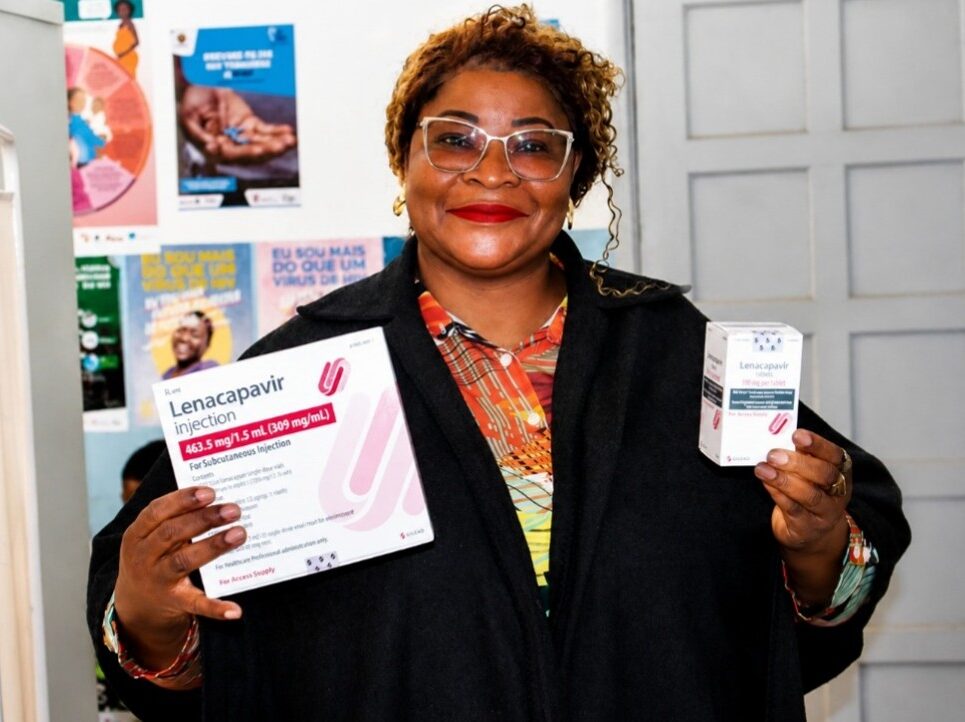
At the age of 46, Fernanda Sumbane, a mother of three living in the Muatala neighbourhood in the city of Nampula in Mozambique found a way to take control of her health and make informed decisions about protecting herself from HIV. The discovery was PrEP.
Short for pre-exposure prophylaxis, PrEP is the use of medication – generally in the form of pills or shots – that people who are at risk for HIV can take to prevent getting HIV from sex or injection drug use.
PrEP has a been a critical focus of ICAP’s work in Mozambique for the past decade as it has collaborated with the Ministry of Health (MISAU) with the support of the United States Centers for Disease Control and Prevention to help advance the country’s progress toward control of its longstanding HIV epidemic (see related article).
Fernanda Sumbane’s journey toward making use of PrEP began in 2022 when, before entering a relationship, she decided that any potential partners be aware of their HIV status.
“I had three suitors and I told them all that, before we went any further, we had to take an HIV test,” she said.
As it turned out, one of the men received a positive result. For Sumbane, the news was hard, but it did not mean the end of the relationship, nor did it lead to a decision driven by fear.
“I spoke to my sister and she advised me not to reject or discriminate against him, but to try to understand the situation and find a solution together,” she said.
With counselling from health professionals, the couple learned about different forms of prevention. While her partner started antiretroviral therapy – treatment that can allow a person living with HIV to stay healthy – Sumbane decided to start oral PrEP.
“I began taking oral PrEP in 2022,” she said, adding, “At the time, I would collect three bottles,” referring to the way in which oral PrEP was distributed at that time.
Throughout the relationship, Sumbane also tried to support her partner in staying on treatment. But when he began demanding sex without a condom as proof of love, she had to make the difficult decision to end the relationship
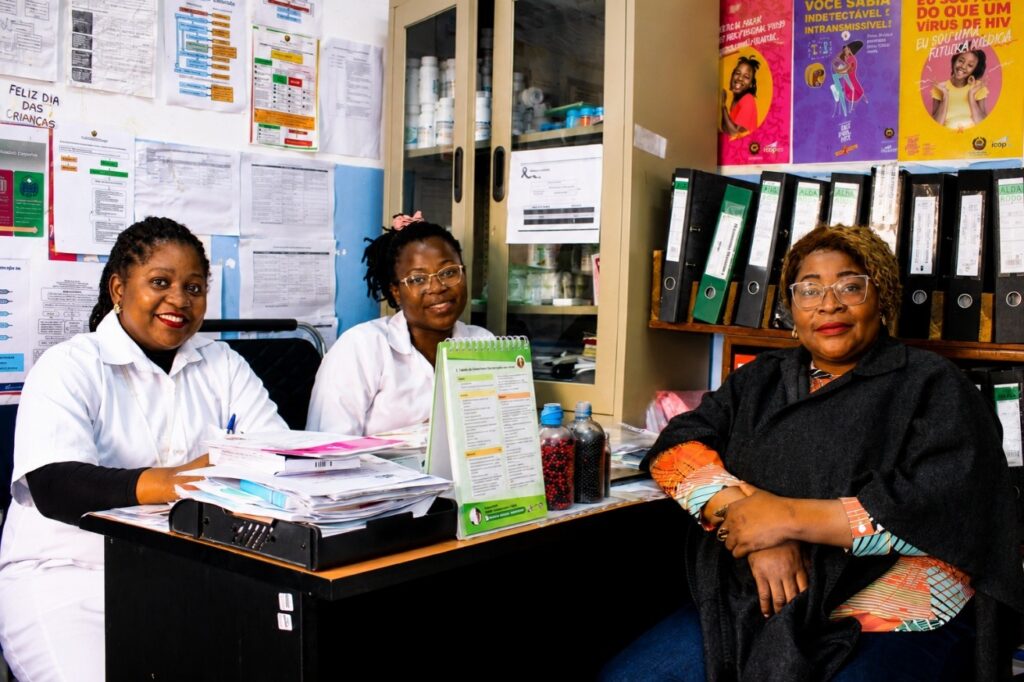
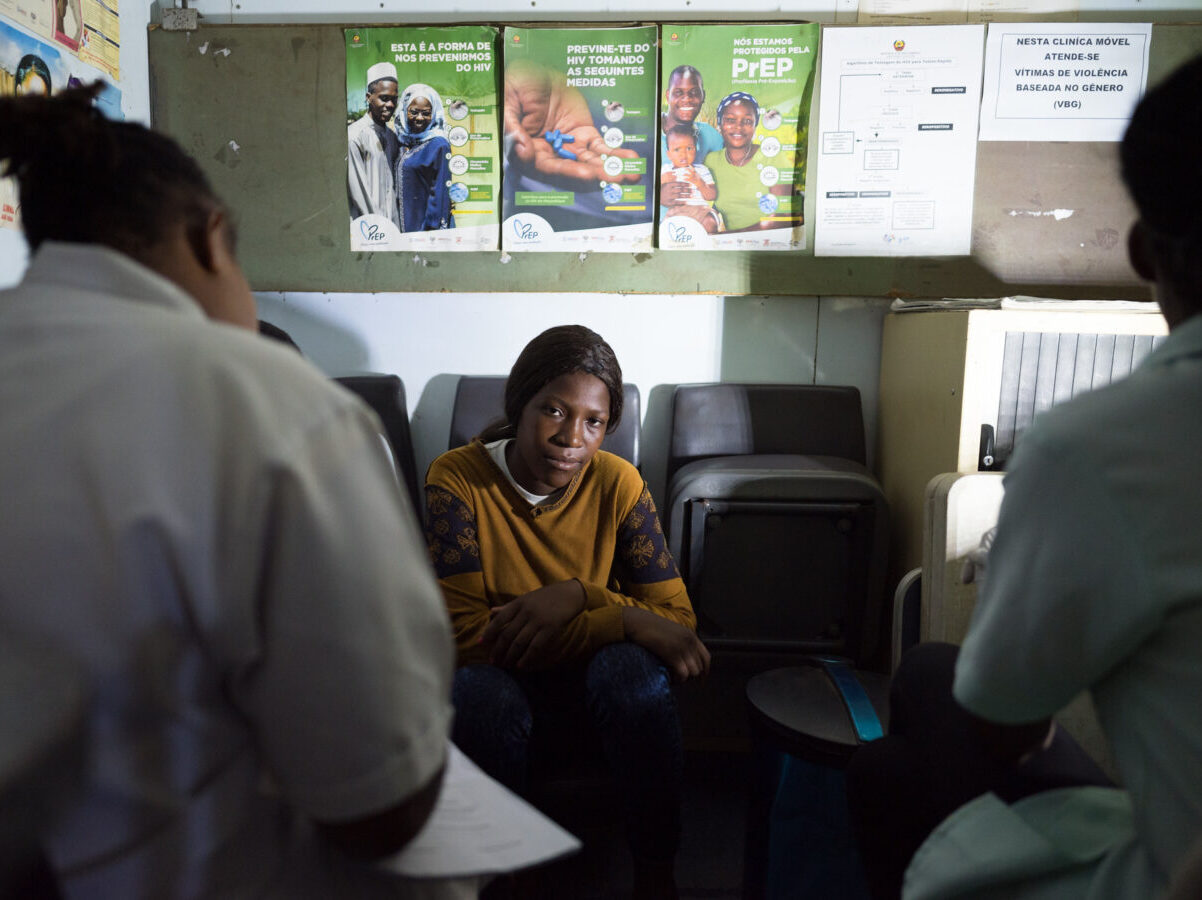
As part of a counseling visit for PrEP, Ms. Fernanda Sumbane (right) meets with ICAP-supported health care staff at the Muhala Expansão Health Center in Nampula City.
“It hurt me so much, but there was no other way, because I loved myself more,” she said.
While Sumbane went back to being single, she continued to value her health and prevention. Even after the separation, she stayed connected to health services and continued on PrEP for as long as she felt it was necessary.
In 2023, when she was no longer sexually active, she decided to discontinue her PrEP use. But, sometime later, when she started a new relationship, she returned to the health services. It was through a friend who is a nurse that she learned that injectable PrEP was available at the Muhala Expansão Health Center in Nampula, a facility where ICAP support PrEP for at-risk individuals.
“When I found out there was a new prevention option, I decided to go to the service,” she said. “I wanted to keep protecting myself.”
After counselling and the necessary procedures, Sumbane started injectable PrEP and later gained access to lenacapavir (LEN), a new long-acting prevention option. For Sumbane, being able to choose between different prevention methods made it easier to adapt her health care to the different stages of her life.
“For me, having prevention options is important, because I can choose what best suits my situation,” she said.
Her experience can be summed up in a conviction that has guided her decisions over the years. “I always choose prevention. Looking after my health is my own responsibility.”
Fernanda Sumbane’s story demonstrates the power of PrEP and how providing information, counselling, and access to different PrEP options can give people at risk of HIV the support they need to make informed decisions and play an active role in protecting their health.
About ICAP
A major global health organization that has been improving public health in countries around the world for two decades, ICAP works to transform the health of populations through innovation, science, and global collaboration. Based at Columbia Mailman School of Public Health, ICAP has projects in more than 40 countries, working side-by-side with ministries of health and local governmental, non-governmental, academic, and community partners to confront some of the world’s greatest health challenges. Through evidence-informed programs, meaningful research, tailored technical assistance, effective training and education programs, and rigorous surveillance to measure and evaluate the impact of public health interventions, ICAP aims to realize a global vision of healthy people, empowered communities, and thriving societies. Online at icap.columbia.edu