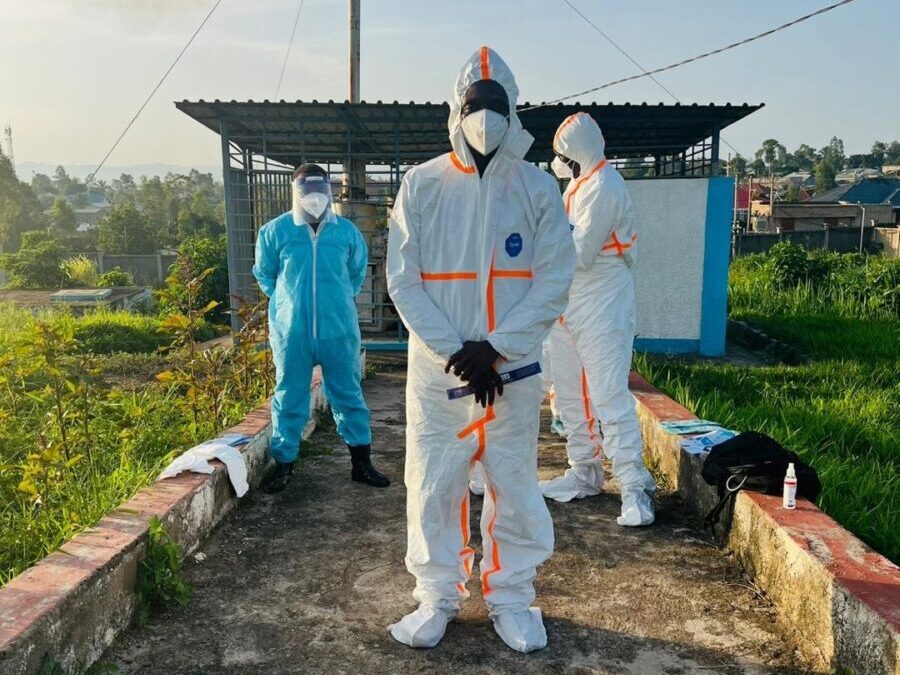
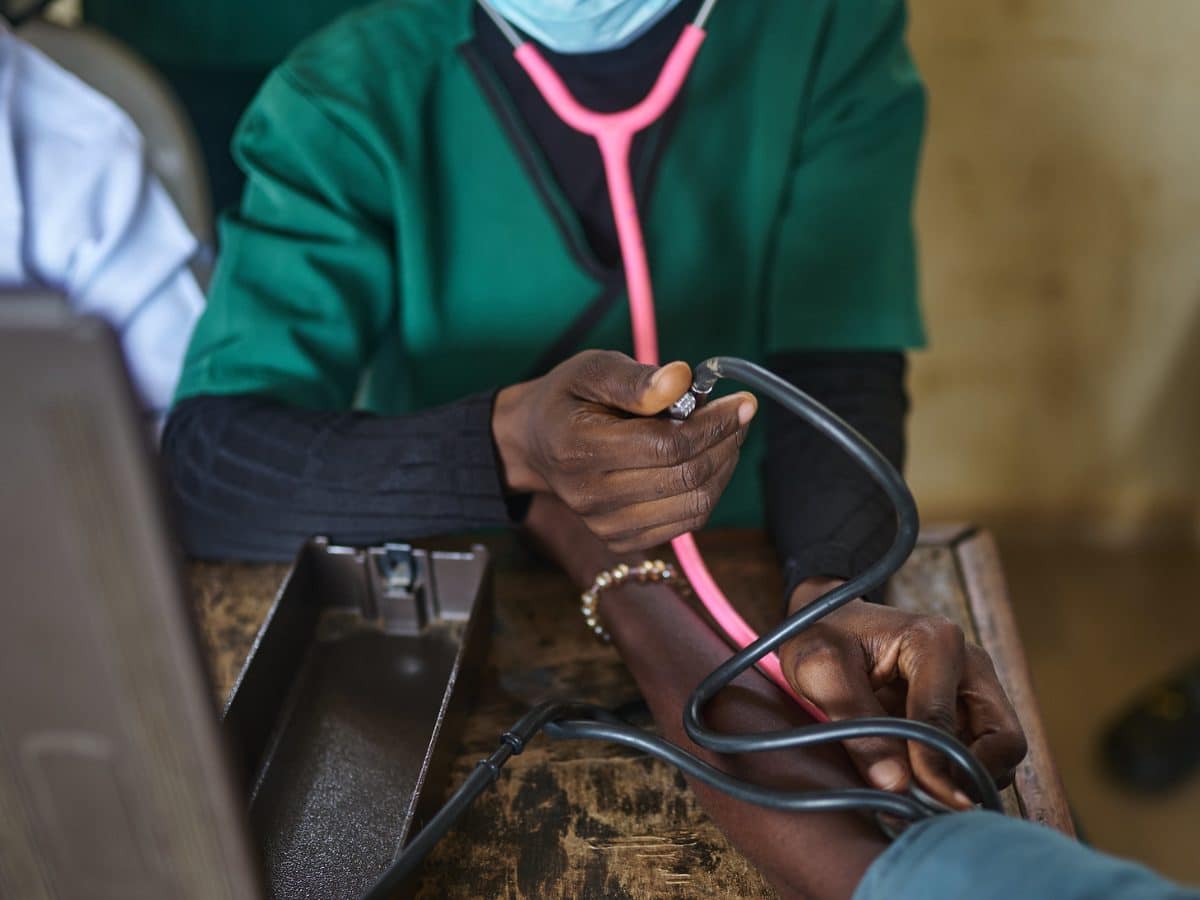
In September 2024, after a cluster of cases was detected at two urban hospitals, Rwanda experienced the third-largest Marburg Virus Disease (MVD) outbreak on record.
MVD is a severe, often fatal illness in humans. Clinically similar to Ebola Virus Disease, MVD is transmitted to people from fruit bats and spreads among humans through human-to-human transmission. Given the variable duration of virus persistence in different bodily fluids, risk of secondary transmission of MVD, although limited, is possible. Many who recover from the virus also report associated social stigma.
To ensure adequate follow-up of those recovered from MVD in Rwanda, and to monitor and prevent the spread of infection, the Ministry of Health established the Post-Marburg Recovery Program (PMRP). Through the Rwanda Biomedical Center (RBC), the Ministry of Health also established sero-surveillance activities, facilitating contact tracing and testing of those exposed to MVD. Individuals who test positive for the virus after serological testing are enrolled into the PMRP.
With funding from the U.S. Centers for Disease Control and Prevention (CDC), ICAP in Rwanda is supporting the PMRP in following up with MVD-recovered-individuals at the Post-Recovery Center established at Kanombe Referral and Teaching Hospital (RMRTH) in Kigali City. While ongoing, the initiative has made important contributions to the health and well-being of individuals in recovery from the viral hemorrhagic fever – many of whom are health workers – and ultimately to minimizing the continued spread of the virus.
“The Marburg outbreak brought to light the threats and risks that health care workers are exposed to during their daily work,” said Dr. Eric Seruyange, the national PMRP coordinator. “The Marburg post-recovery program is essential, as it helps recovered individuals to access the care they need. It is especially helpful to the health care workers, many of whom lost colleagues to the virus. This program shows them they are not alone and there is a system in place for them to guide them the way forward.”
Beginning in January 2025, ICAP engaged an initial 51 recovered individuals for the PMRP, with 16 individuals enrolled from the sero-surveillance program. All enrolled participants undergo the same protocol of care, including monthly clinical follow-up and biomedical examinations – of semen, saliva, tears, breastmilk, and vaginal fluid – until each patient receives two consecutive negative tests for MVD.
The program also provides mental health and psychosocial support through monthly counselling during clinic visits, on-demand sessions, and follow-up sessions at home for those who miss appointments. Each recovered individual will be followed for a total of two years.
“The Marburg Virus Disease recovery program has demonstrated that recovery and resilience are attainable through collaboration, commitment, and community engagement,” said Etienne Mpabuka, ICAP’s MVD program coordinator. “Notably, it is encouraging to observe how individuals who have recovered are gradually overcoming post-recovery stress and actively engaging in social and economic reintegration. I am profoundly grateful to all contributors who have facilitated the achievements of this post-recovery program.”
By September 2025, after additional recruitment efforts, 94 individuals have been enrolled in the program. Importantly, while most of the initial MVD-recovered individuals – 40 out of 51 – were health care workers who had contracted the virus at a health facility, many new enrollees are miners from the original epicenter of the outbreak in a mine near Kigali.
Many participants enrolled in the program have found it healing to work through the complexities of having recovered from MVD, which typically has an extremely high death rate.
“Before joining this program, I felt trapped in silence. The fear and grief after surviving the virus was overwhelming,” said one MVD-recovered individual enrolled in the program. “Through therapy, I learned to put words to my emotions. Slowly, the anxiety and sleepless nights eased. I now feel hope returning [to work] and know that recovery is about more than the body, it’s about healing the heart and soul too. Meeting other recovered individuals in group therapy changed everything. Hearing their stories gave me courage, and sharing mine gave me strength.”
The MVD outbreak drew attention to the rising risk of health care-associated infections in Rwanda, including among health care workers. To address this gap, in addition to supporting the Post-Marburg Recovery Program, ICAP is collaborating with the Ministry of Health to strengthen infection prevention and control efforts across Rwandan health facilities.
About ICAP
A major global health organization that has been improving public health in countries around the world for two decades, ICAP works to transform the health of populations through innovation, science, and global collaboration. Based at Columbia Mailman School of Public Health, ICAP has projects in more than 40 countries, working side-by-side with ministries of health and local governmental, non-governmental, academic, and community partners to confront some of the world’s greatest health challenges. Through evidence-informed programs, meaningful research, tailored technical assistance, effective training and education programs, and rigorous surveillance to measure and evaluate the impact of public health interventions, ICAP aims to realize a global vision of healthy people, empowered communities, and thriving societies. Online at icap.columbia.edu