ICAP joins in mourning the loss of Stephen Lewis, a towering figure in the global response to HIV/AIDS, who died on March 31, 2026.
A Canadian politician, diplomat, broadcaster, and activist, Lewis devoted his career to working for social justice and human rights, addressing such critical issues as the impact of armed conflict on children and the Rwandan genocide.
As United Nations special envoy for HIV/AIDS in Africa, a post he held from 2001 to 2006, Lewis raised awareness of the HIV/AIDS epidemic in Africa and urged world leaders to respond to the growing crisis.
During this time, he published the book Race Against Time: Searching for Hope in AIDS-Ravaged Africa, which argued for significant changes need to meet the Millenium Development Goals, asserting that the international economic policies toward Africa had exacerbated poverty, educational and nutritional deficiencies, and the uncontrolled spread of HIV/AIDS.
In 2007, he co-founded AIDS-Free World with AIDS activist Paula Donovan. The non-profit organization, which still operates today, works to tackle the root causes that turned HIV in a global pandemic through advocacy, communications, and innovative legal avenues.
A passionate advocate who deeply felt the suffering of those affected by HIV/AIDS even as he expressed continued belief that the pandemic could be brought to heel, Lewis always spoke clearly and authentically for his humane vision. “I’ll devote every fiber of my body to defeating this viral contagion,” he proclaimed in his 2005 Massey Lecture for the CBC.
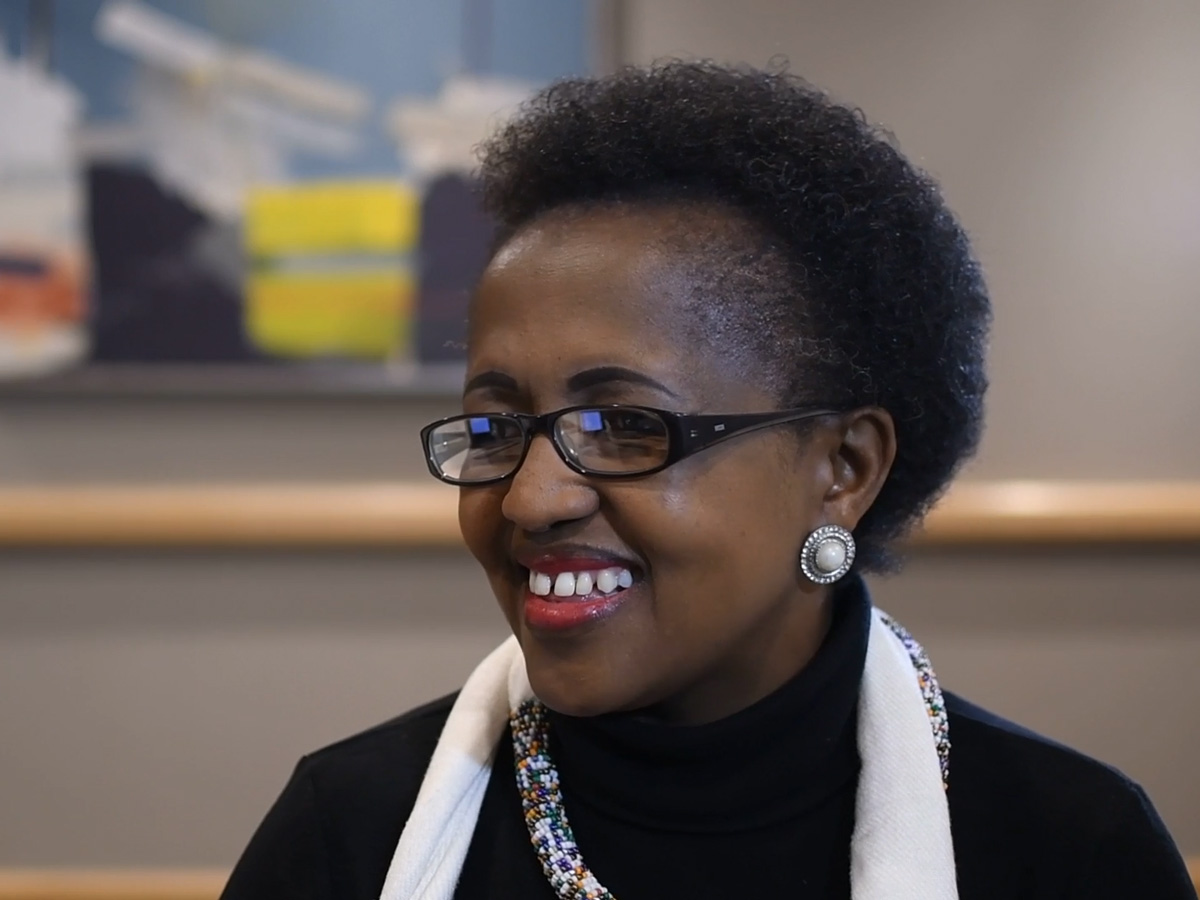
“Stephen Lewis was an eloquent advocate who sought to ensure that the world’s most vulnerable people would not be left behind,” said ICAP’s founder and global director, Wafaa El-Sadr, MD, MPH, MPA. “He was a leading light for our global health mission. We will miss his forceful voice, but we will carry his spirit forward with us every day as we continue to work toward a world without AIDS.”
About ICAP
A major global health organization that has been improving public health in countries around the world for two decades, ICAP works to transform the health of populations through innovation, science, and global collaboration. Based at Columbia Mailman School of Public Health, ICAP has projects in more than 40 countries, working side-by-side with ministries of health and local governmental, non-governmental, academic, and community partners to confront some of the world’s greatest health challenges. Through evidence-informed programs, meaningful research, tailored technical assistance, effective training and education programs, and rigorous surveillance to measure and evaluate the impact of public health interventions, ICAP aims to realize a global vision of healthy people, empowered communities, and thriving societies. Online at icap.columbia.edu