Antimicrobial resistance (AMR) is one of the most pressing public health threats facing the world today. Antimicrobials, which include antibiotics and antivirals, are critical for the treatment and prevention of infectious disease in humans, as well as in animals and plants. When antimicrobial resistance develops, diseases can become impossible to treat and can spark deadly and costly epidemics. A recent study has determined that more than one million people died from AMR globally each year between 1990 and 2021 and that more than 39 million people around the world could die from antibiotic-resistant infections by the year 2050.
Since 2020, ICAP has been supporting the Kingdom of Eswatini to strengthen AMR surveillance using a One Health framework – an approach focused on the interactions among human, animal, and environmental health – with a financial grant from the Fleming Fund through the United Kingdom’s Department of Health and Social Services.
During its second phase (Feb 2024 – Dec 2025), the project set out to strengthen the implementation of quality-assured national surveillance programs for AMR, antimicrobial use (AMU), and antimicrobial consumption (AMC) and across the three sectors, human health, animal health, and environment. The goals of the initiative were to produce quality data, conduct quality data analysis, share the analyses with decision-makers to strengthen data use, and to stand up sustainable, institutionalized surveillance systems to counter AMR in the country and beyond.
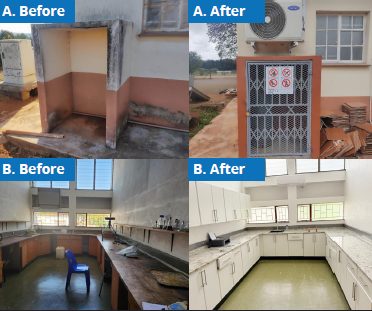
Renovations yielded notable improvements in laboratory infrastructure.
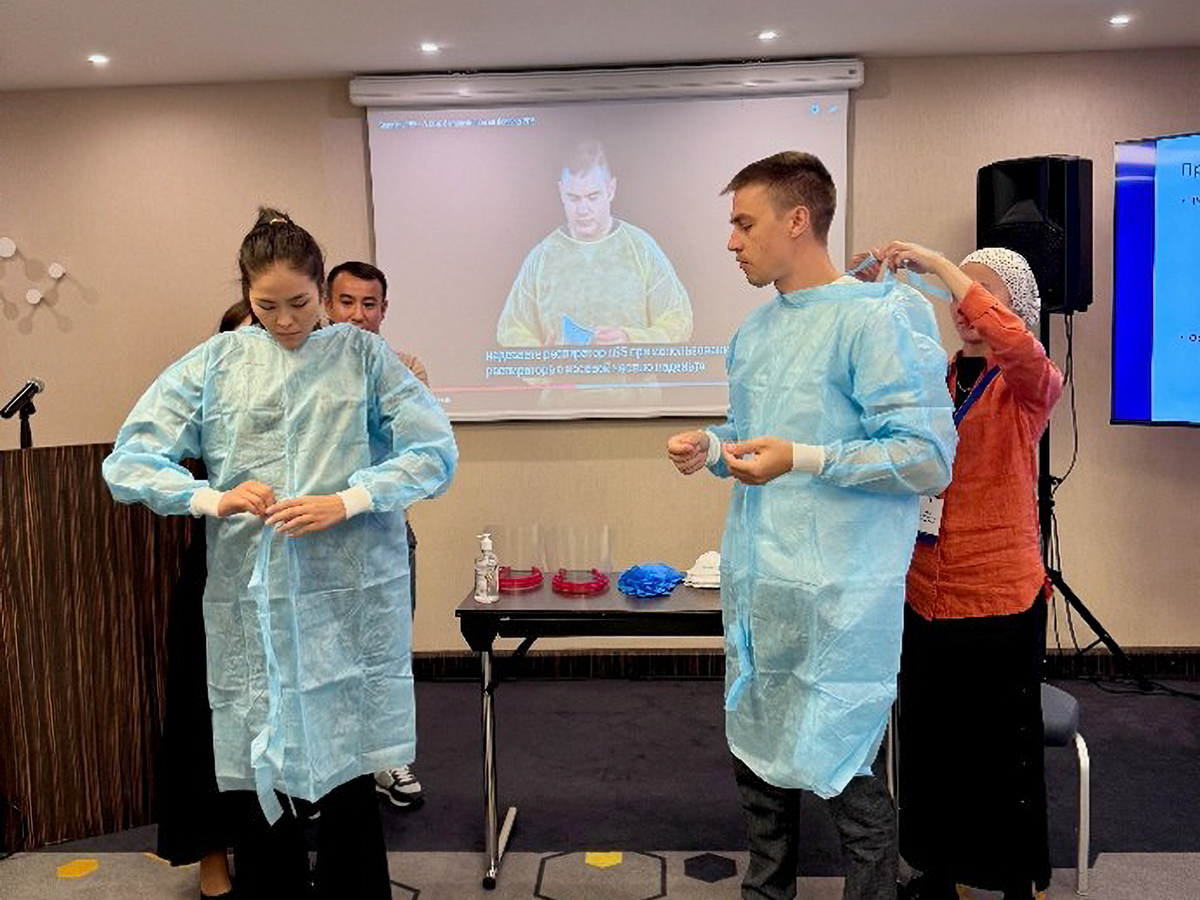
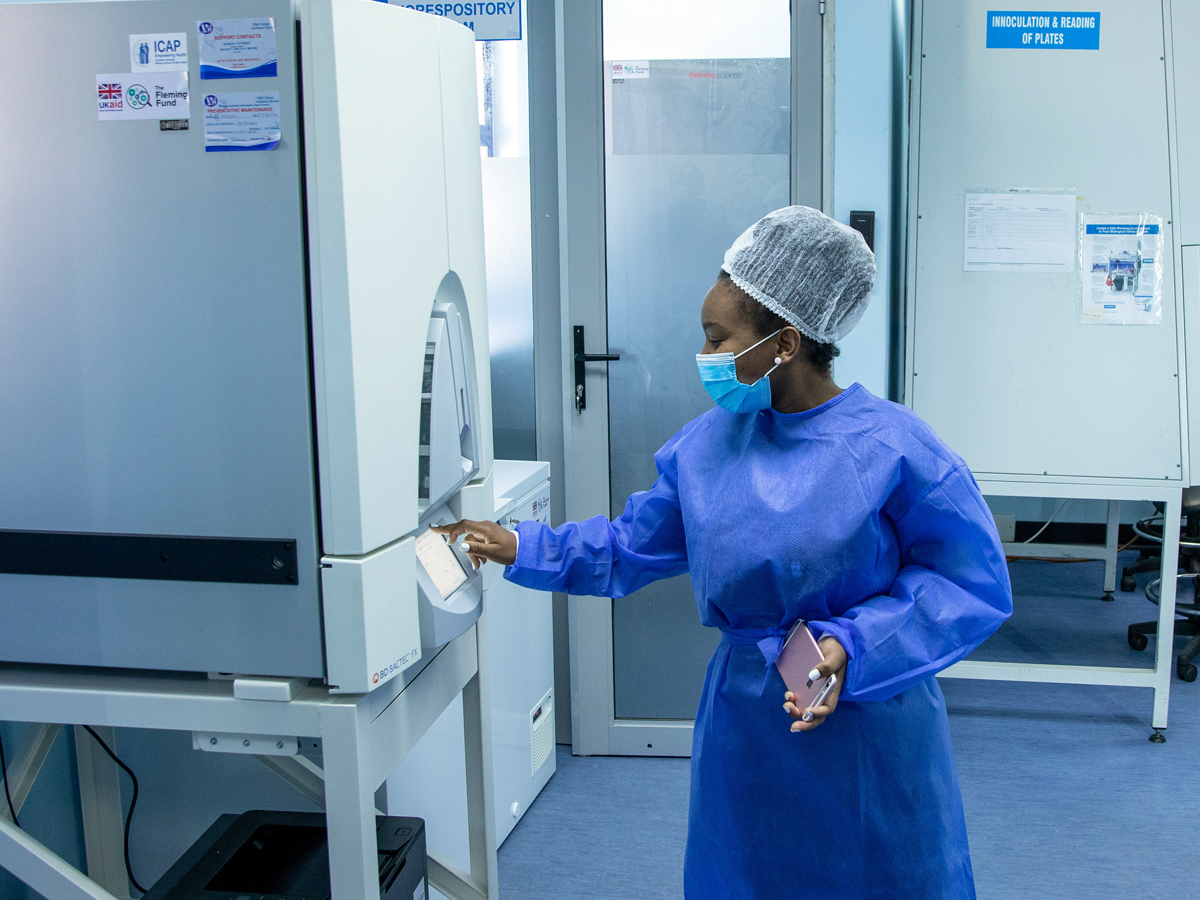
During this phase, the project expanded support to four new sentinel sites and undertook renovations and equipping four additional laboratories, procuring essential laboratory reagents and consumables and training laboratory staff in microbiology and high-quality data collection and analysis. Additionally, a customized refrigerated sample transportation vehicle was procured and donated to facilitate water sample collection and transportation, thereby enhancing AMR surveillance from various water bodies across the country.
During Phase II, the project also enabled six of 10 total sentinel sites to strengthen their capacity for AMR surveillance activities up to or surpassing the core international standard established by the London School of Hygiene & Tropical Medicine, with the remaining four sites making strong progress toward achieving that level as well.
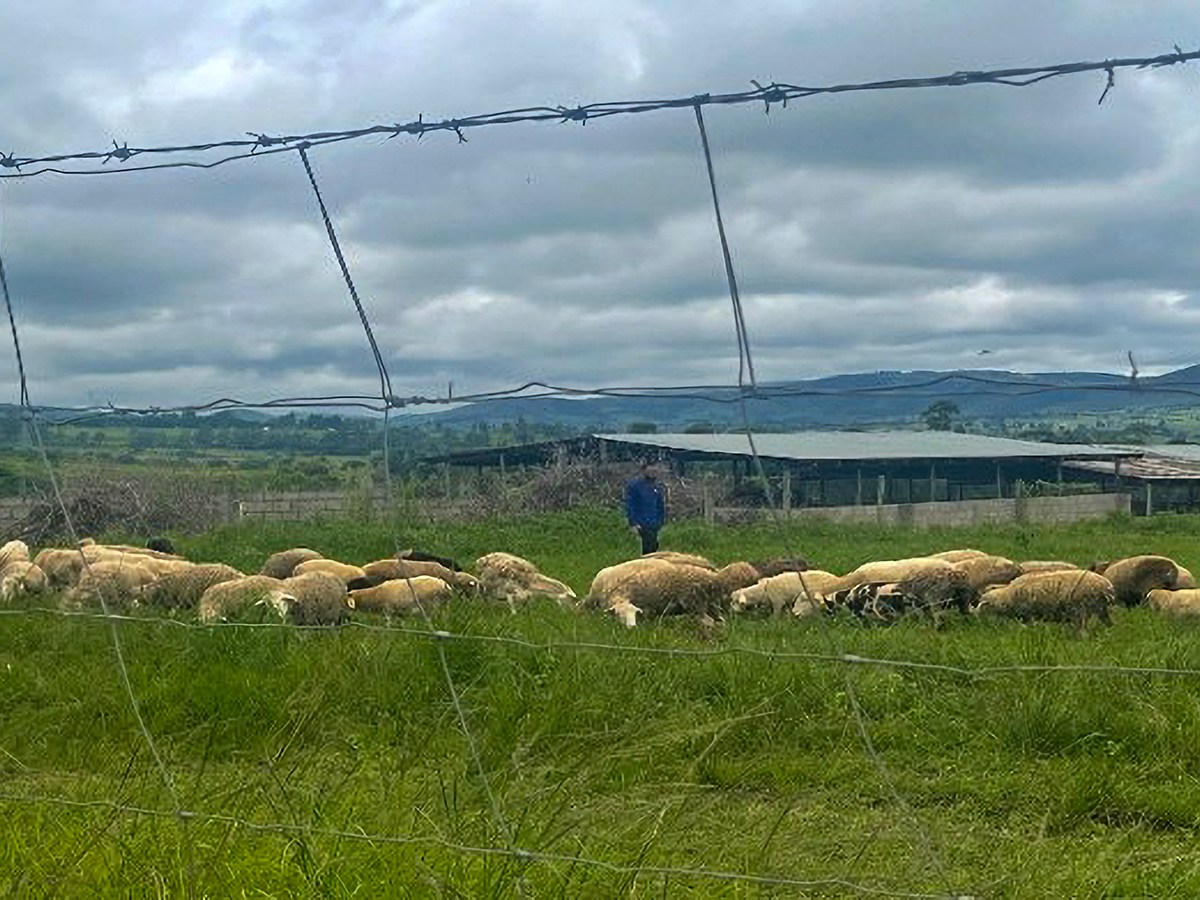
The project also established and expanded a center for sheep blood collection in collaboration with the University of Eswatini to ensure sustainable supply of sheep blood for production of blood culture plates. (Read related story on the handover the sheep blood collection center. )
On December 19, 2025, Eswatini marked the completion of Phase II of this critical initiative at a meeting attended by senior government officials and partners, including the principal secretaries of the ministries of Health, Agriculture, and Natural Resources and Energy (represented by the undersecretary), directors from the three ministries, the technical advisor to the prime minister, officers from the Eswatini and Africa Centers for Disease Control and Prevention, World Health Organization, United Nations Food and Agriculture Organization, members of the Eswatini AMR Containment Committee (AMRCC), and other public health experts representing human, animal, and environmental health sectors.
“With this support, the country has established and strengthened sentinel surveillance sites, engaged public and private laboratories, enhanced microbiology testing capacity, and improved the quality and use of AMR and antimicrobial use data,” said Khanyakwezwe Mabuza, principal secretary of the Eswatini Ministry of Health. “Importantly, Eswatini has been able to contribute AMR data to the WHO GLASS (Global Antimicrobial Resistance and Use Surveillance System) platform, ensuring that national evidence informs both local and global responses to antimicrobial resistance.”
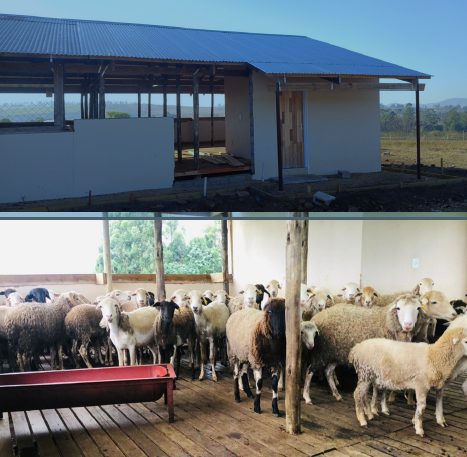
The renovated sheep shed at UNESWA, ensuring a reliable supply of blood for sentinel laboratories.
Noting the renovation of the Central Veterinary Laboratory, the Food Hygiene Laboratory, and the Plant Research Laboratory, as well as the capacity-building of laboratory personnel and surveillance officers, along with other improvements, Sidney Simelane, principal secretary of the Eswatini Ministry of Agriculture stated that “these investments have moved Eswatini from fragmented diagnostic capacity towards a more structured and functional AMR surveillance system within the agriculture sector.”
With the Fleming Fund grant ending after more than half a decade of successful implementation, AMRCC chairperson Dr. Bavukile Kunene took the opportunity to look ahead at what would constitute a smooth transition to domestic/local financing to preserve the gains achieved and prevent regression in AMR containment efforts, noting in his presentation that “sustained funding will support continued progress across human, animal, plant, and environmental health sectors, safeguarding health security, food systems, and long-term development outcomes.”
Ruben Sahabo, MD, ICAP’s country director in Eswatini, concurred, stressing that the end of this phase of the work should not mark an end to AMR action in Eswatini. “Rather, it should represent a transition point, where domestic financing is increased for continued implementation of AMR surveillance with enhanced coordination, sustained governance and leadership.”
By all accounts, the Fleming Fund AMR initiative supported by ICAP has significantly advanced bacteriology laboratory capabilities and AMR surveillance in Eswatini. The final report on the project’s second phase, released in conjunction with the meeting, details a wide range of achievements and lessons learned, as well as recommendations for the road ahead as the country looks to maintain and build on the lifesaving gains it has made in AMR surveillance.
About ICAP
A major global health organization that has been improving public health in countries around the world for two decades, ICAP works to transform the health of populations through innovation, science, and global collaboration. Based at Columbia Mailman School of Public Health, ICAP has projects in more than 40 countries, working side-by-side with ministries of health and local governmental, non-governmental, academic, and community partners to confront some of the world’s greatest health challenges. Through evidence-informed programs, meaningful research, tailored technical assistance, effective training and education programs, and rigorous surveillance to measure and evaluate the impact of public health interventions, ICAP aims to realize a global vision of healthy people, empowered communities, and thriving societies. Online at icap.columbia.edu