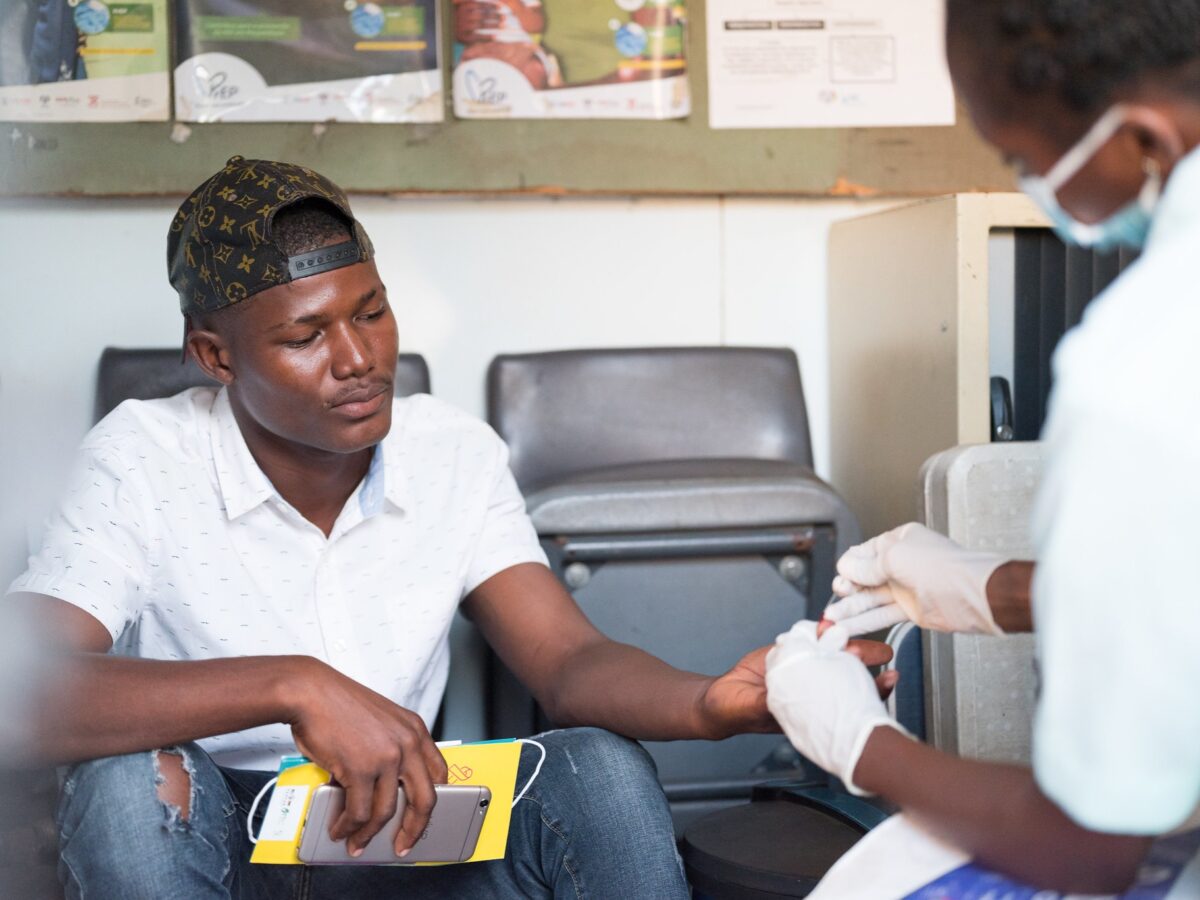
(Photo by Artur Francisco for ICAP)
Men, and particularly young men, in sub-Saharan Africa continue to lag behind women in HIV testing and awareness of their status, according to a new study by researchers from ICAP at Columbia University. The findings underscore the urgent need for youth-centered, behavior-tailored approaches to close the HIV diagnosis gap among men.
The study, entitled Unawareness of HIV-Positive Status among Men in Seven Sub-Saharan African Countries: Age, Behavioral, and Structural Determinants, was published online in AIDS and Behavior on Feb. 25, 2026.
Men across sub-Saharan Africa test less frequently, present later for care, and are less likely to be on antiretroviral therapy (ART) than women. Undiagnosed or untreated HIV infection among men not only sustains community transmission but also increases their risk of illness and death.
Findings from the study show that one in five men living with HIV overall, and two in five young men, were unaware of their status.
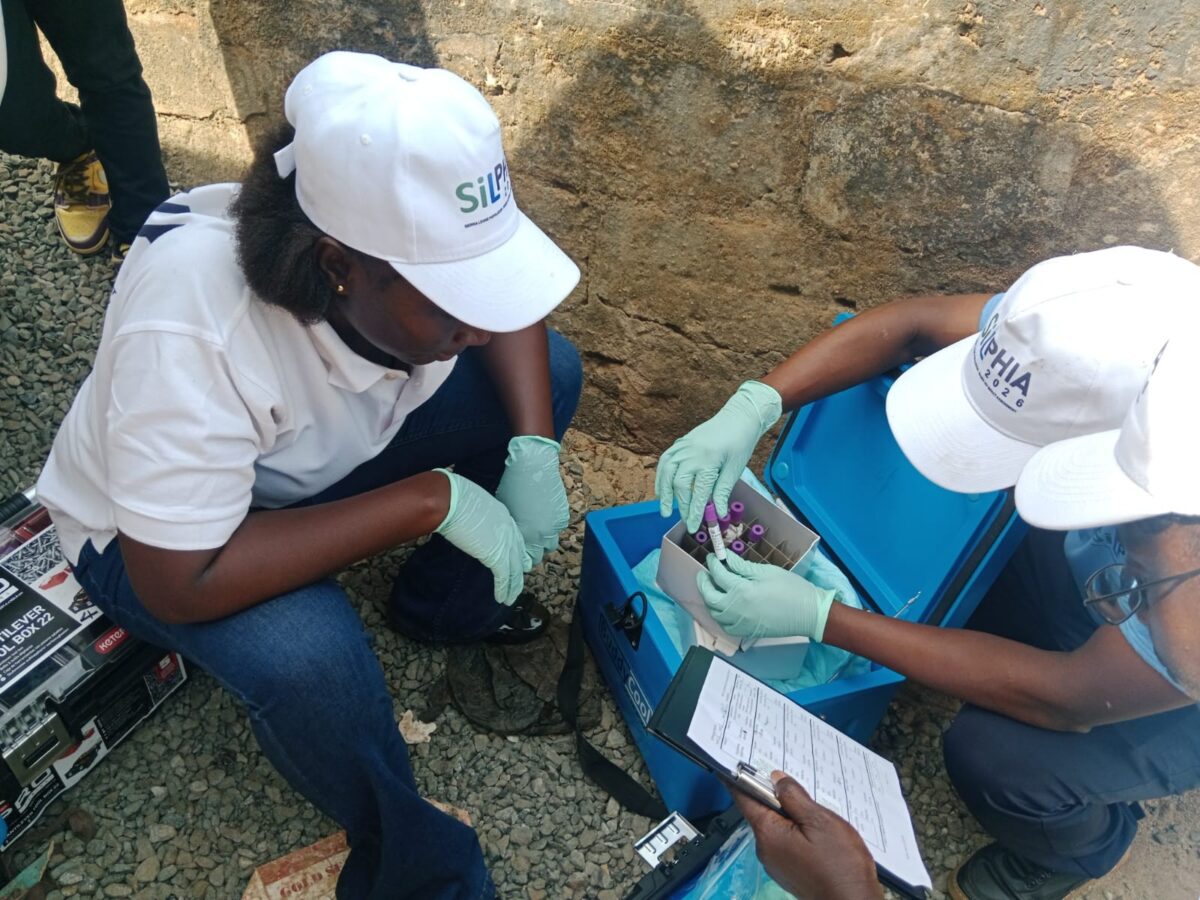
The researchers pooled survey data gathered from Population-based HIV Impact Assessment (PHIA) surveys conducted between 2019 and 2023 in seven countries—Eswatini, Lesotho, Malawi, Mozambique, Tanzania, Uganda, and Zimbabwe. The study included more than 59,000 men, of whom approximately 5,400 were living with HIV.
Since 2014, the PHIA project has conducted nationally representative surveys to capture the state of the HIV epidemic. This effort is led by the Ministry of Health in each participating country and funded by the U.S. President’s Emergency Plan for AIDS Relief (PEPFAR) through the U.S. Centers for Disease Control and Prevention (CDC) with technical support from ICAP at Columbia University.
Overall, about 22% of men living with HIV were unaware of their infection, with wide variation across countries—from 8.4% in Eswatini to 31.5% in Mozambique. Unawareness was strongly linked to age: 41% of young men aged 15–29 did not know their status, compared to 11.5% of men aged 50 and older.
The researchers conclude that this disparity poses a direct threat to epidemic control in high-burden countries. They call for age- and behavior-tailored approaches to complement universal testing targets, including youth-focused platforms offering more frequent retesting, integration of risk-reduction counseling for condomless sex, multiple partnerships, and hazardous drinking, and delivery models that reach men across all income levels.
“Our study shows that too many men are still being missed by HIV testing services,” said Mansoor Farahani, MD, MPH, DSc, associate scientist at ICAP and lead author of the study. “When one in five men living with HIV overall and two in five young men still do not know their status, we need testing approaches that are more youth-centered, accessible, and better tailored to men’s needs if we want to close the diagnosis gap and strengthen epidemic control.”
“These findings reinforce the critical importance of reaching men with differentiated, accessible HIV testing services,” said Wafaa M. El-Sadr, MD, MPH, MPA, senior author and director of ICAP at Columbia University. “Closing the awareness gap among men is essential to achieving epidemic control.”
About ICAP
A major global health organization that has been improving public health in countries around the world for two decades, ICAP works to transform the health of populations through innovation, science, and global collaboration. Based at Columbia Mailman School of Public Health, ICAP has projects in more than 40 countries, working side-by-side with ministries of health and local governmental, non-governmental, academic, and community partners to confront some of the world’s greatest health challenges. Through evidence-informed programs, meaningful research, tailored technical assistance, effective training and education programs, and rigorous surveillance to measure and evaluate the impact of public health interventions, ICAP aims to realize a global vision of healthy people, empowered communities, and thriving societies. Online at icap.columbia.edu