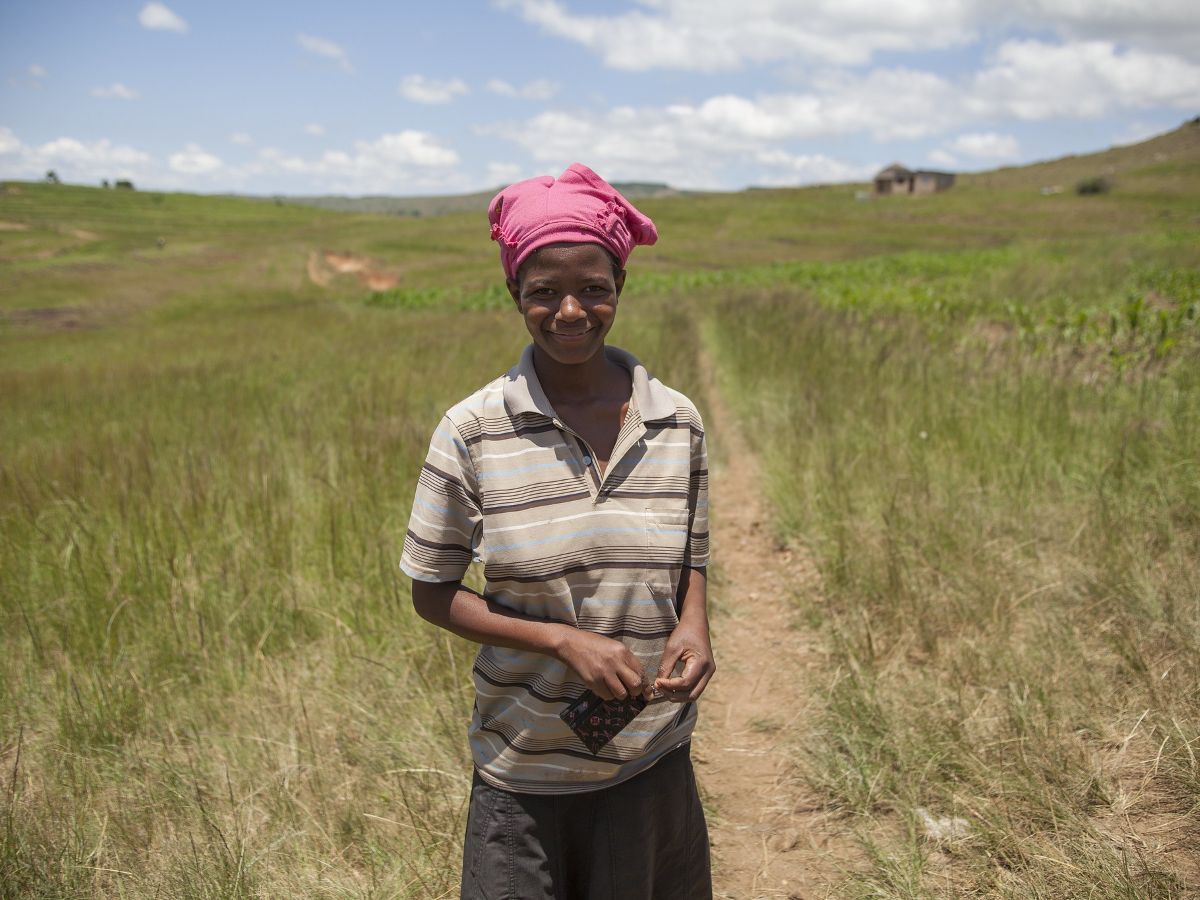
Reproductive justice – the right to have children or not have them, in a safe environment – plays an important role in each person’s health and quality of life. In sub-Saharan Africa, rates of undesired pregnancy among young women are higher than in other regions of the world. A pregnancy at the wrong time can derail a young woman’s future plans and endanger her wellbeing. Furthermore, while great strides have been made in reducing new HIV cases, risk is still high among young people in Eswatini (the country with the highest HIV prevalence in the world), and HIV impacts the health of women and their children.
To increase understanding of how women meet their sexual and reproductive health needs, ICAP at Columbia University has been conducting the Dynamics of Contraceptive Use in Eswatini (DYCE) study in collaboration with the Eswatini Ministry of Health and support from the National Institutes of Health.
On March 31, 2026, the study marked the end of two years of data collection, during which 300 young women were asked questions every two weeks about their sexual activity, contraceptive use, and pregnancy desires, along with a range of socio-demographic questions relating to mobility, education status, relationship status, and other indictors. With response rates at over 75%, the resulting dataset contains more than 12,000 data points.
“Intensive longitudinal data collection of this kind is rare worldwide, and especially in low- and middle-income countries like Eswatini,” said Abigail Greenleaf, PhD, principal investigator of the study. “For this reason, the DYCE dataset represents an important contribution to the field of reproductive health and to mobile phone surveys more broadly.”
Whereas most datasets are cross-sectional – looking only at a particular moment in time – DYCE stands apart insofar as it is able to track trends over a long period. This makes for better understanding of short-acting methods such as condoms, withdrawal, and emergency contraception use, which are not well-measured when reported during a narrow time frame.
While it builds on ICAP’s extensive experience as a designer and implementer of innovative health surveys, the DYCE study has been a unique experience for ICAP staff. Two interviewers called the same respondents for two years, creating a strong rapport that allowed the interviewers to ask sensitive questions that require trust.
In collaboration with Eswatini Ministry of Health colleagues, the DYCE team has so far published eight DYCE Summary Sheets; creating results shortly after data was collected. Producing real-time summaries of results for a lay audience has made DYCE results accessible to the public and policymakers alike, helping public health experts, particularly in Eswatini, identify gaps and direct resources toward closing them.
Zandi Nxumalo, a co-investigator at the Ministry of Health commented “the DYCE study informed the review and strengthening of key policy documents, including Eswatini’s Adolescent Sexual and Reproductive Health (ASRH) Guidelines, the ASRH Standardized Training Manual for healthcare workers, and the Adolescent and Youth-Friendly Services Standards. Notably, a new standard addressing stigma and discrimination was incorporated. The revisions were guided by gaps identified through the DYCE data, ensuring that policies are more responsive to the needs of adolescents and young people.”
The summary sheet released in February 2026, for example, captured participants’ knowledge of the newly available six-month injectable pre-exposure prophylaxis (PrEP) drug, Lenacapavir. The DYCE study found two-thirds of young women had never heard this groundbreaking new drug. These results were immediately shared with the Ministry of Health colleagues and helped craft a Lenacapavir FAQ the Ministry of Health circulated among young people.
“While we are proud that we were able to share results through summary sheets with colleagues during data collection, now that we have reached our goal of two years of surveys every two weeks, we will shift our attention to more complex analyses in the hopes that the study will continue to describe women’s health in Africa in ways not previously possible,” said Greenleaf.
About ICAP
A major global health organization that has been improving public health in countries around the world for two decades, ICAP works to transform the health of populations through innovation, science, and global collaboration. Based at Columbia Mailman School of Public Health, ICAP has projects in more than 40 countries, working side-by-side with ministries of health and local governmental, non-governmental, academic, and community partners to confront some of the world’s greatest health challenges. Through evidence-informed programs, meaningful research, tailored technical assistance, effective training and education programs, and rigorous surveillance to measure and evaluate the impact of public health interventions, ICAP aims to realize a global vision of healthy people, empowered communities, and thriving societies. Online at icap.columbia.edu