-
Date: February 22-25, 2026
-
Location: Denver, Colorado, USA
The Conference on Retroviruses and Opportunistic Infections (CROI) was established in 1993 to provide a forum for basic scientists and clinical investigators to present, discuss, and critique their investigations into the epidemiology and biology of human retroviruses and associated diseases. The synergy of basic science and clinical investigation has been a major contributor to the success of the meeting. CROI has facilitated the presentation of important discoveries in the field, thereby accelerating progress in HIV and AIDS research. CROI highlights the latest research in HIV, hepatitis viruses, SARS-CoV-2 (including long COVID), mpox, and their related conditions. For more information about the conference, please view the program on the CROI website.
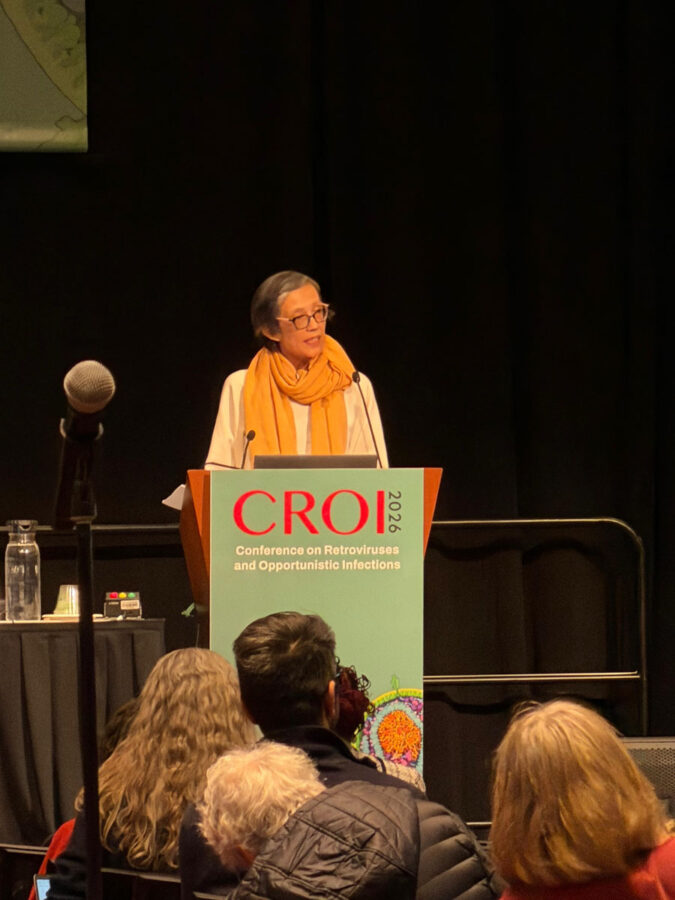
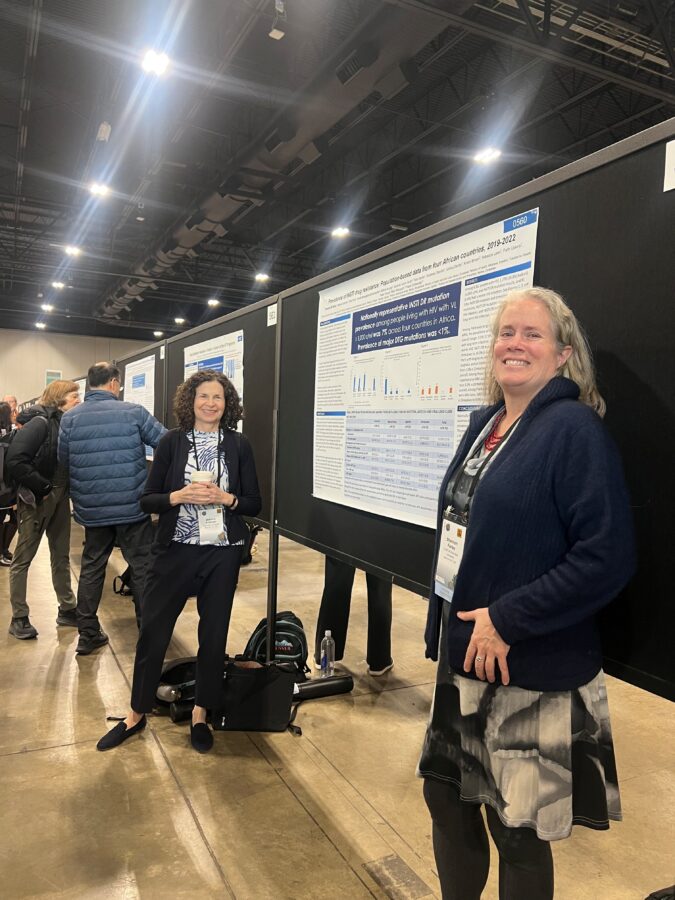
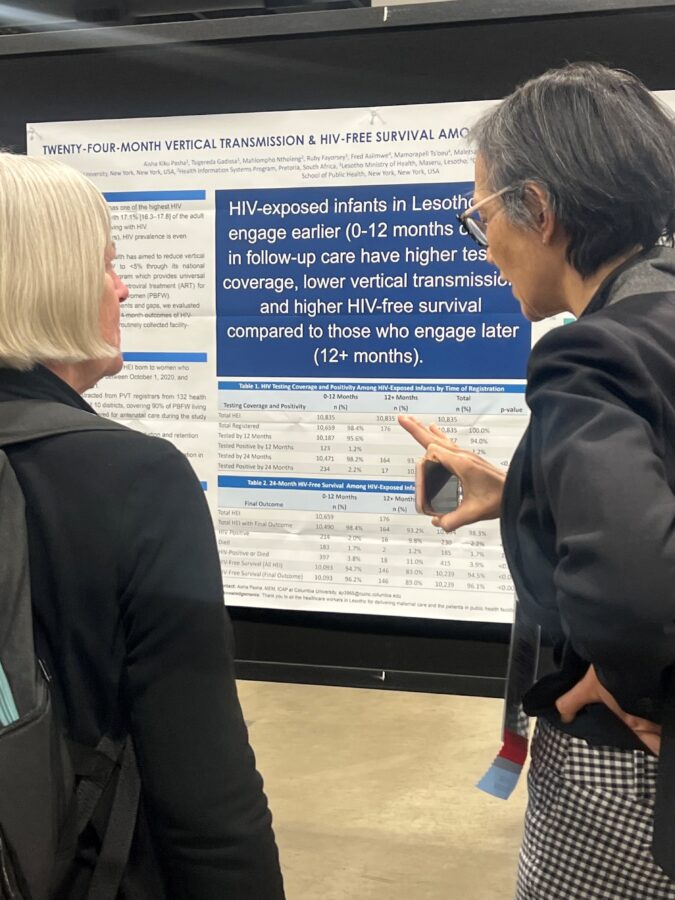
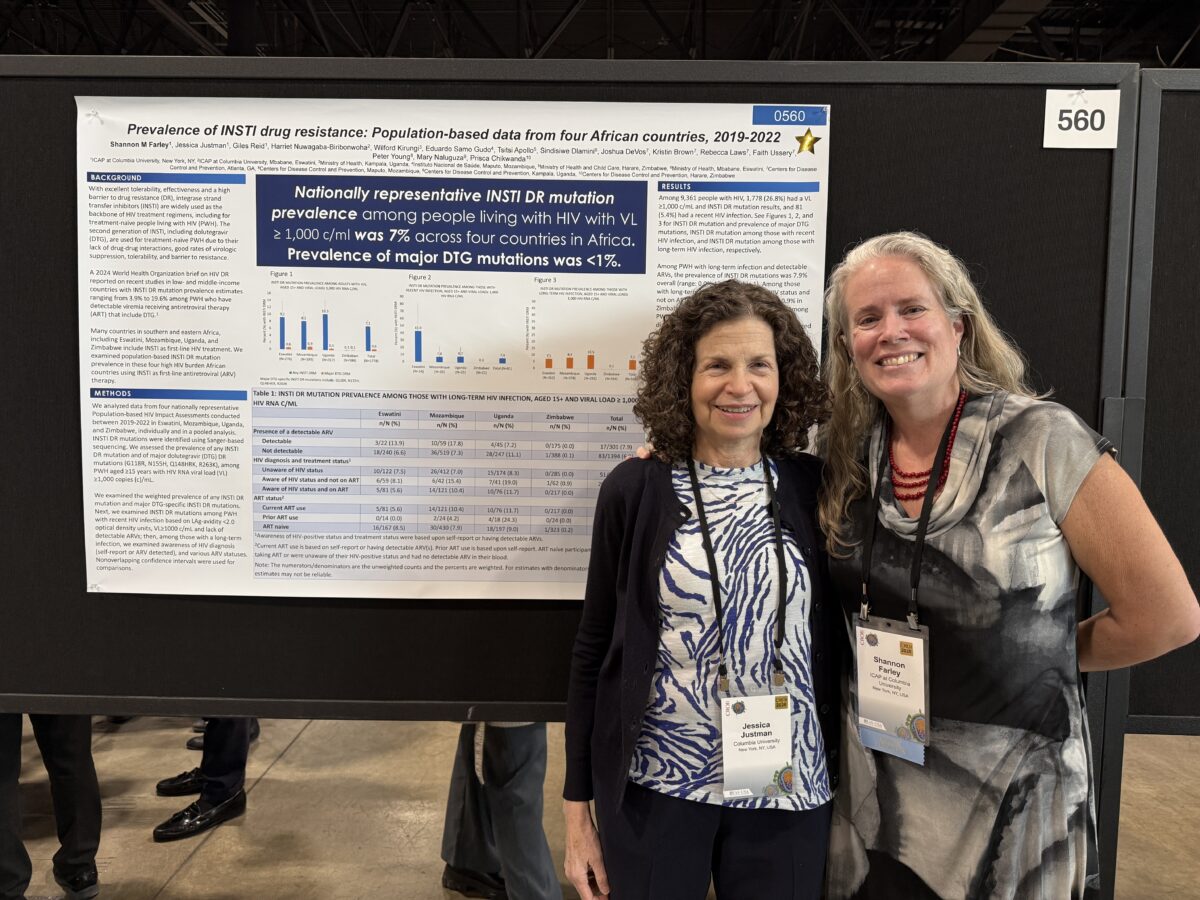
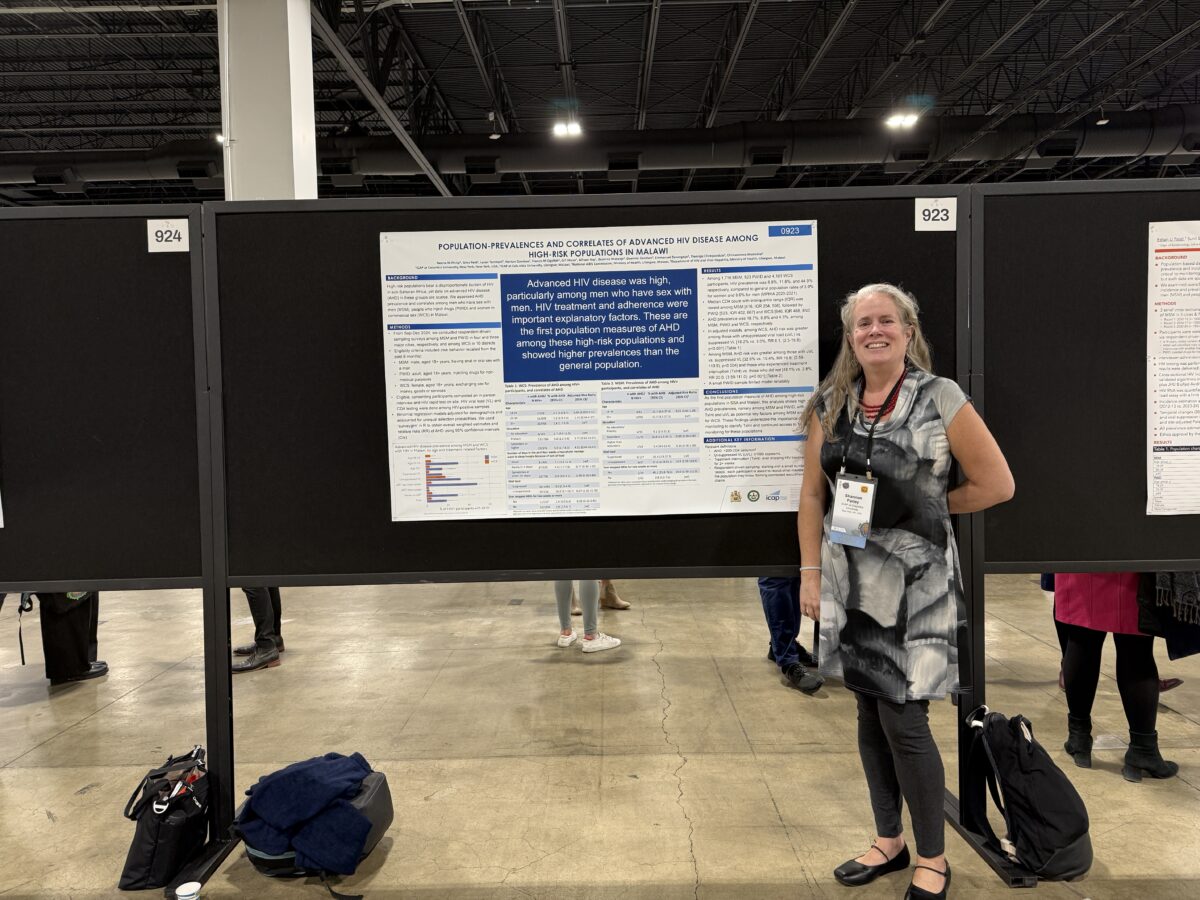
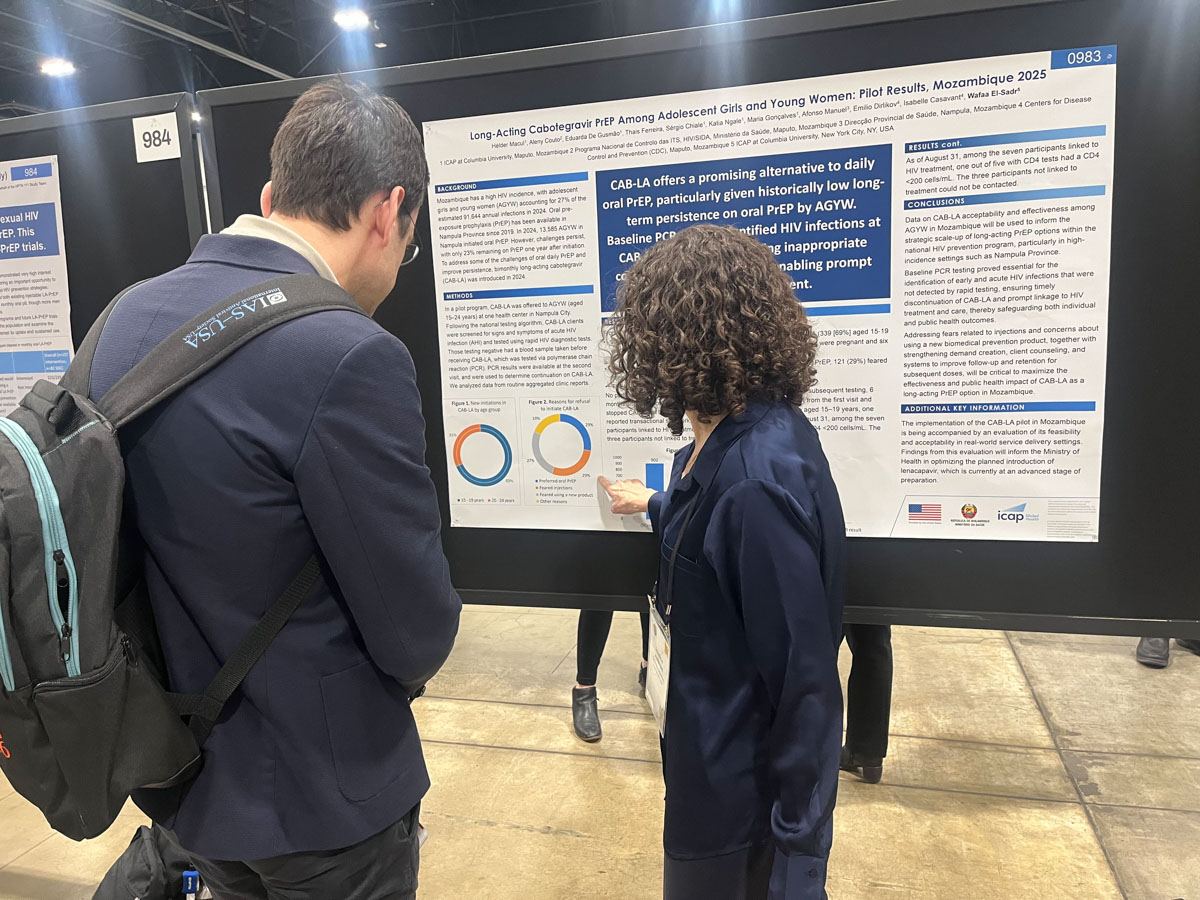
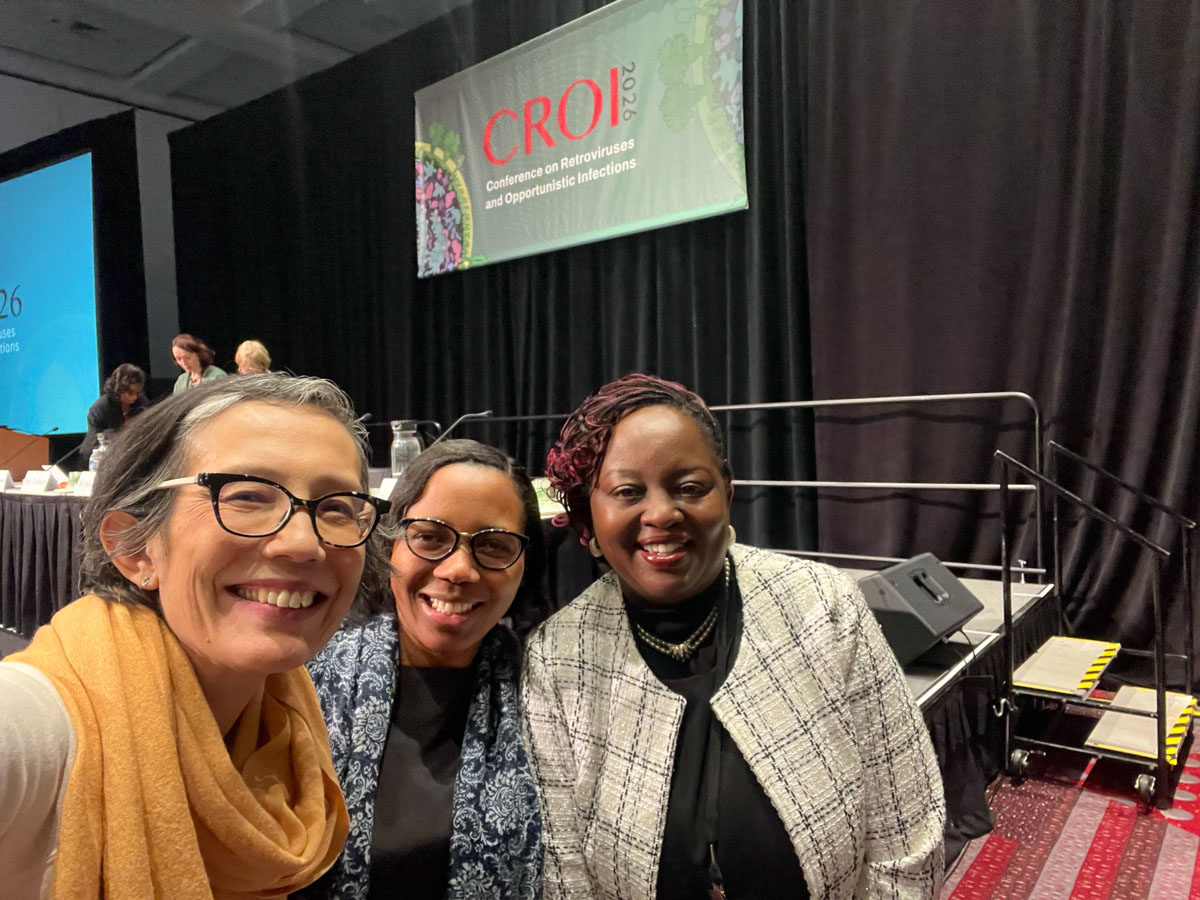
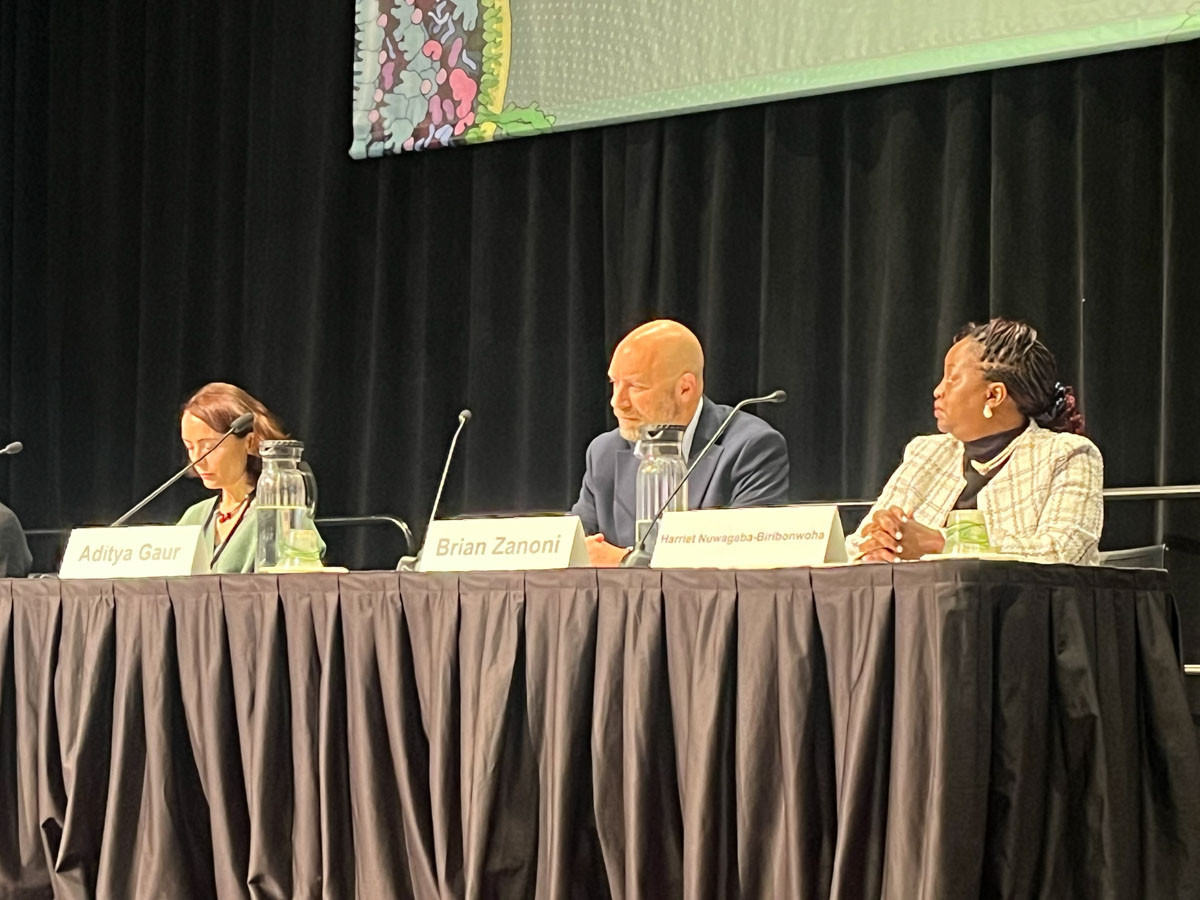
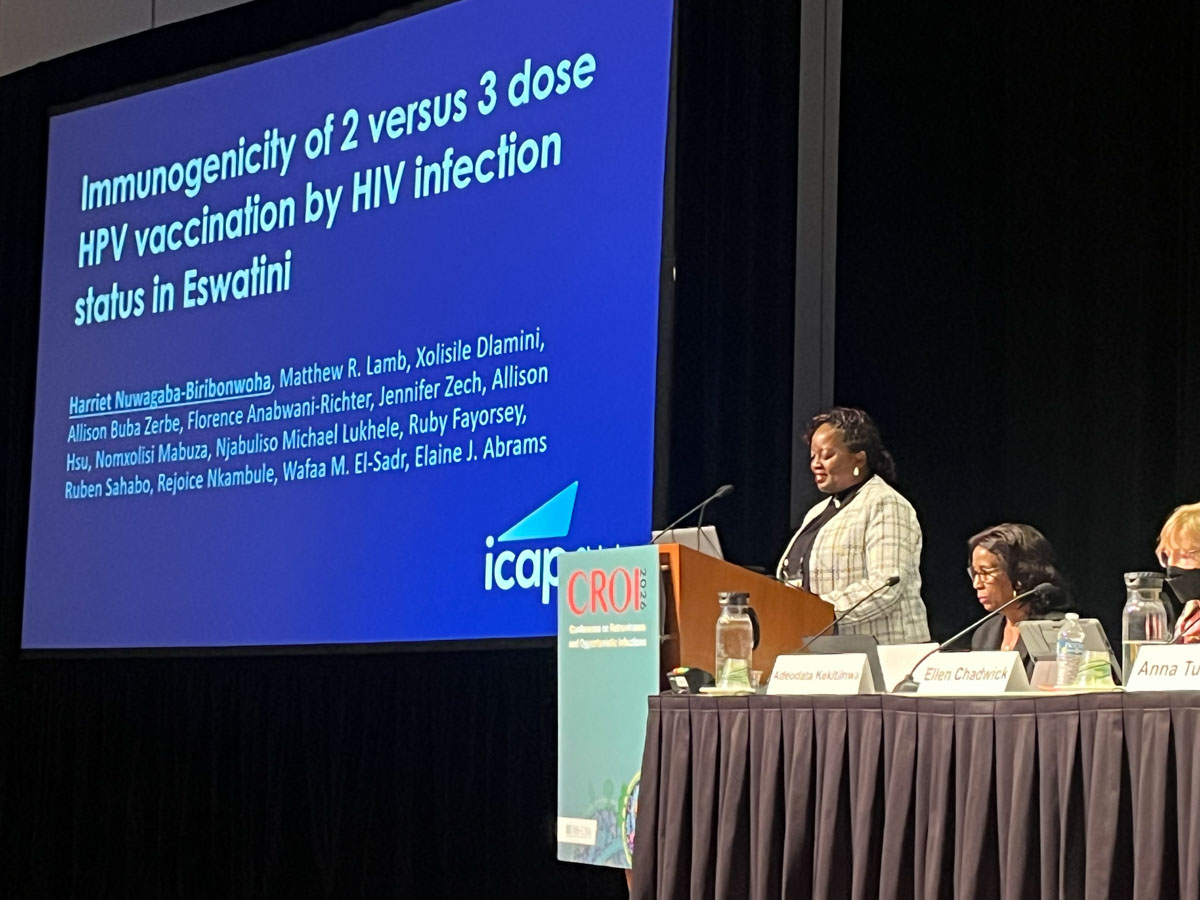
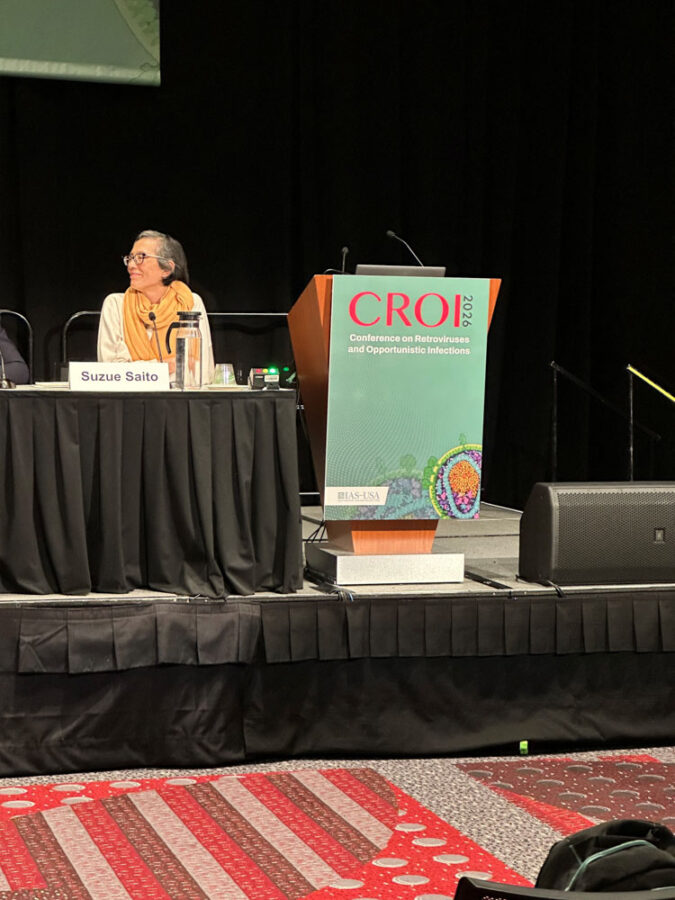
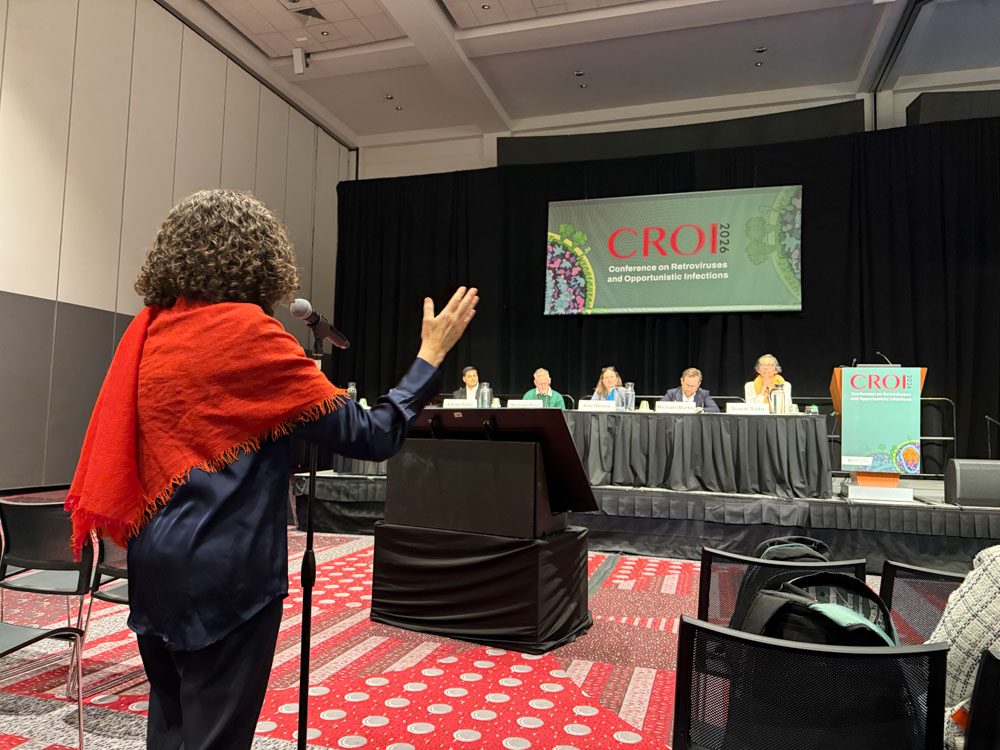
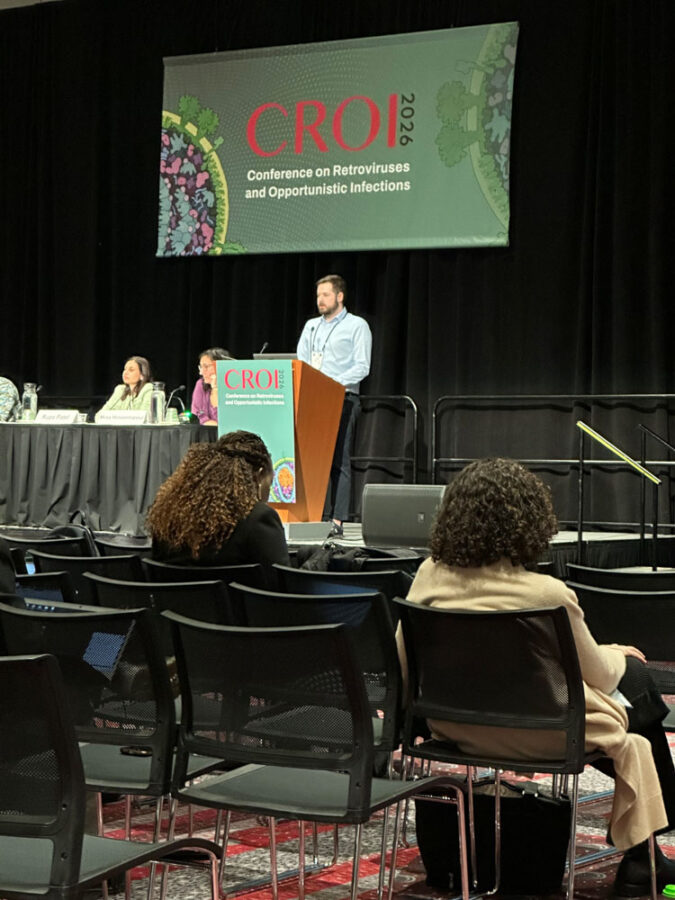
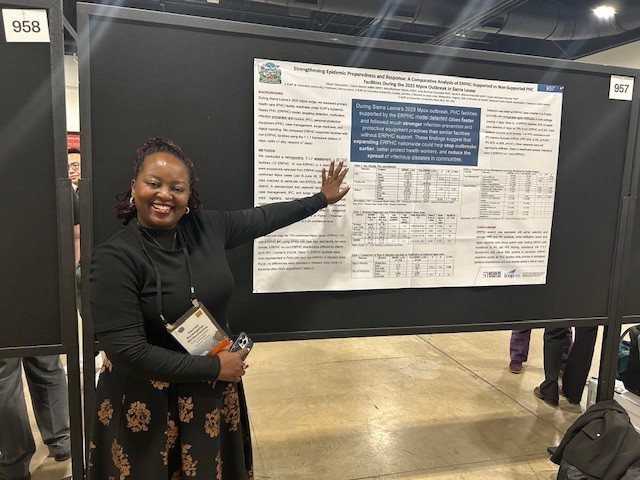
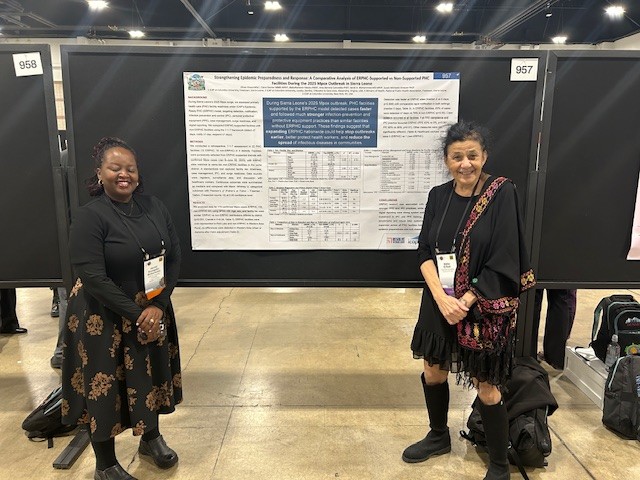
Following are some images of ICAP researchers at the confeence along with details about their presentations.

Featured Presentations
 ICAP founder and global director, Wafaa El-Sadr, introduced the N’Galy-Mann Lecture, which recognizes an HIV/AIDS researcher for important and relevant work in the fields of epidemiology or clinical research. This year’s lecture was given by Linda-Gail Bekker of the University of Cape Town in South Africa, speaking on The ART of Prevention: People, Science, Progress.
Sunday, February 22, 2026 from 5-7pm (MT)
_______________
 ICAP director of strategic information, Suzue Saito, introduced a themed discussion entitled Precision Comes to Public Health
Tuesday, February 24, 2026 from 1:30 to 02:30pm (MT)
_______________________________________
ICAP Posters and Oral Abstracts
| Title | Presentation type | Presenter | Date | Time |
| 24-Month Vertical Transmission and HIV-Free Survival Among HIV-Exposed Infants in Lesotho: Findings from a National Prevention of Vertical Transmission Program Evaluation, 2024 | Poster | Suzue Saito | Mon, Feb 23 | 2:30-4:00 |
| Prevalence of INSTI drug resistance: population data from four African countries, 2019-2022 | Poster | Shannon Farley | Mon, Feb 23 | 2:30-4:00 |
| Population-Prevalences and Correlates of Advanced HIV Disease Among High-Risk Populations in Malawi | Poster | Shannon Farley | Mon, Feb 23 | 2:30-4:00 |
| Immunogenicity of 2- Versus 3-Dose HPV Vaccination by HIV Infection Status in Eswatini | Oral | Harriet Biribonwoha-Nuwagaba | Tues, Feb 24 | 10:00-12:00 |
| Oral PrEP Uptake and Continuation in Mozambique: Findings from large scale implementation |
Poster | Harriet Biribonwoha-Nuwagaba | Tues, Feb 24 | 2:30-4:00 |
| Antiretroviral Treatment Continuity Among Pregnant Women With HIV in Côte d’Ivoire | Poster | Caroline Nelson | Tues, Feb 24 | 2:30-4:00 |
| Long-Acting Cabotegravir PrEP: Findings and Lessons Learned from a Pilot Program among AGYW in Mozambique. | Poster | Jessica Justman | Tues, Feb 24 | 2:30-4:00 |
| Dapivirine Vaginal Ring for PrEP: Findings and Lessons Learned from a Pilot Program in Mozambique | Poster | Elaine Abrams | Tues, Feb 24 | 2:30-4:00 |
| Strengthening Epidemic Response: A Comparative Analysis of ERPHC-Supported vs Non-Supported PHC Facilities During the 2025 Mpox Outbreak in Sierra Leone | Poster | Harriet Biribonwoha-Nuwagaba | Wed, Feb 25 | 2:30-4:00 |
| Cost-effectiveness of implementing long-acting PrEP in Eswatini, a mathematical modelling study | Poster | Led by NYU w/ ICAP data & co-authors | Mon, Feb 23 | 2:30-4:00 |