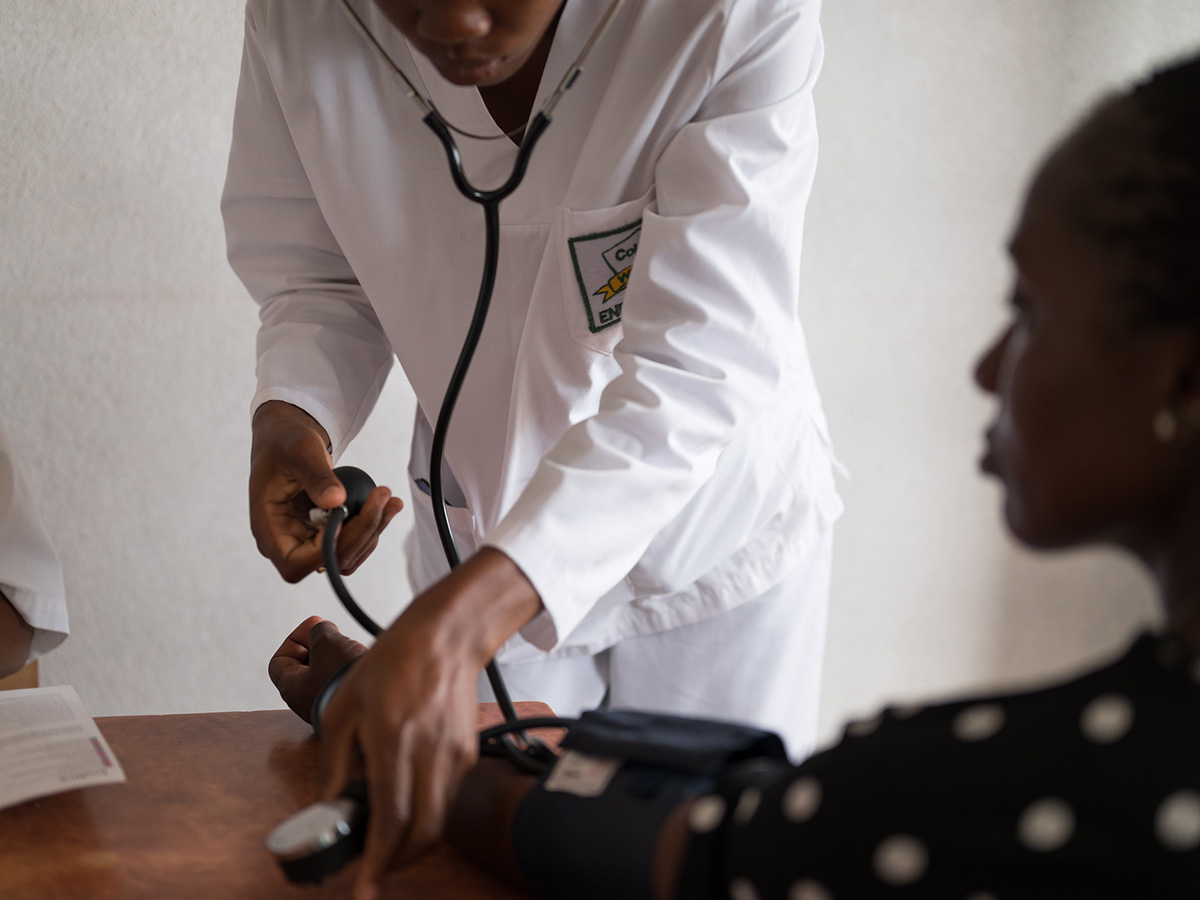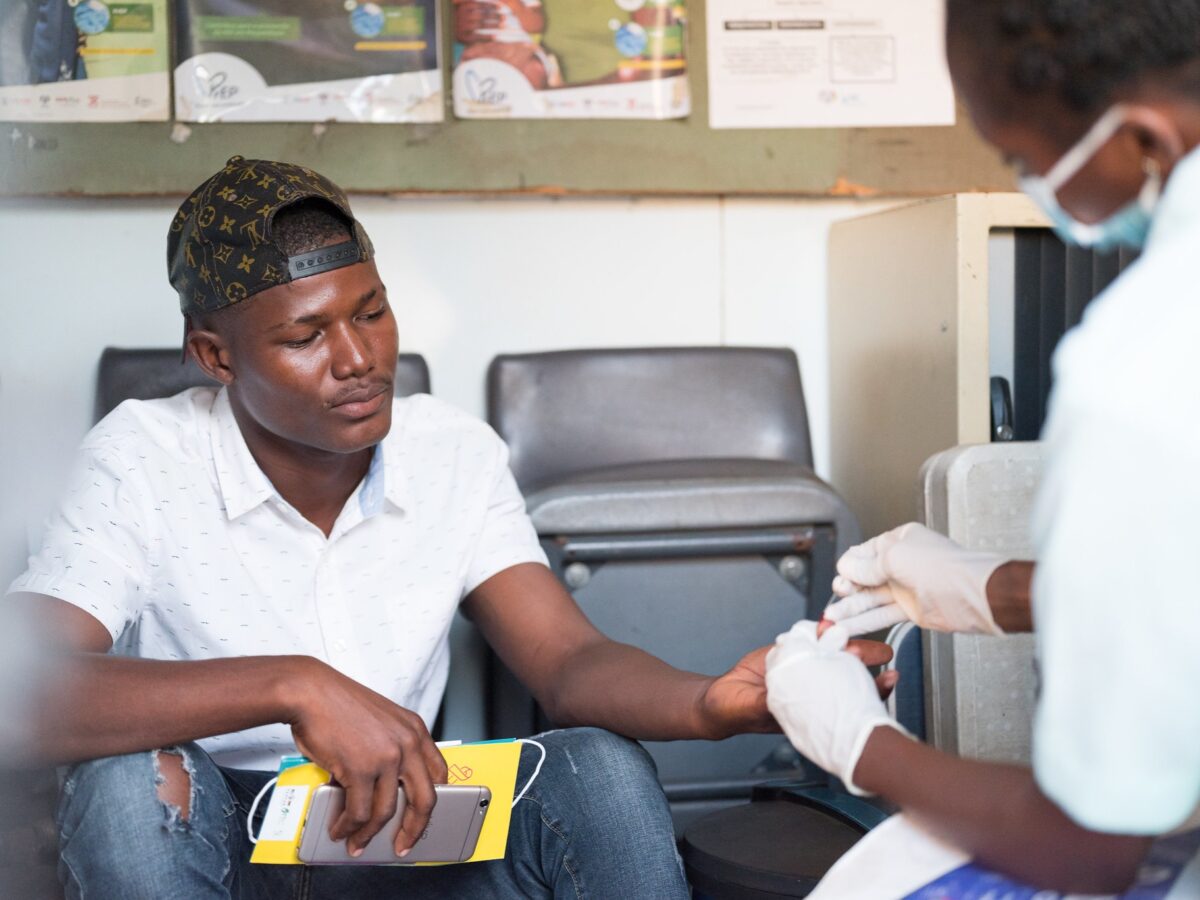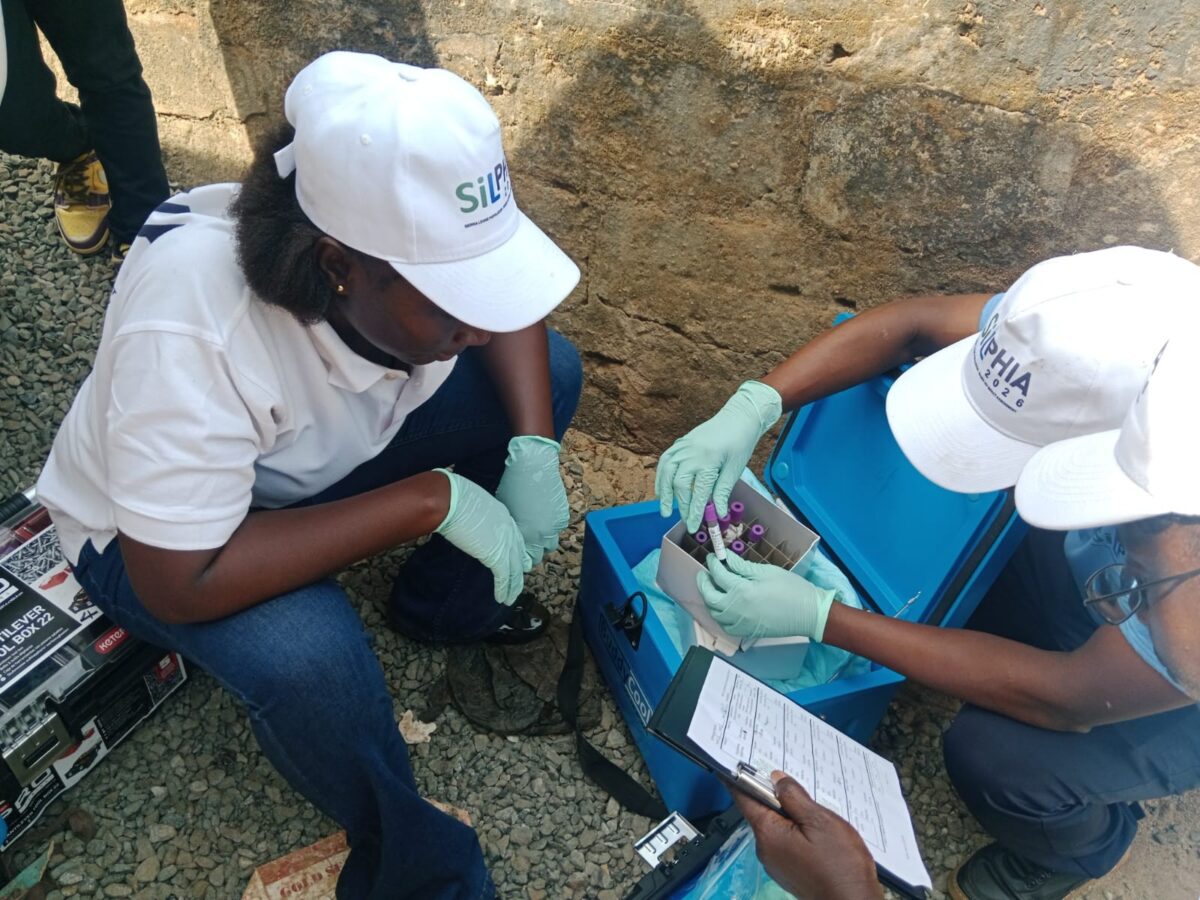

A highly skilled health workforce trained to detect, prevent, and respond to emerging public health threats at the intersection of human, animal, and environmental health is one of the keys to strong health systems that can effectively keep countries and their populations safe.
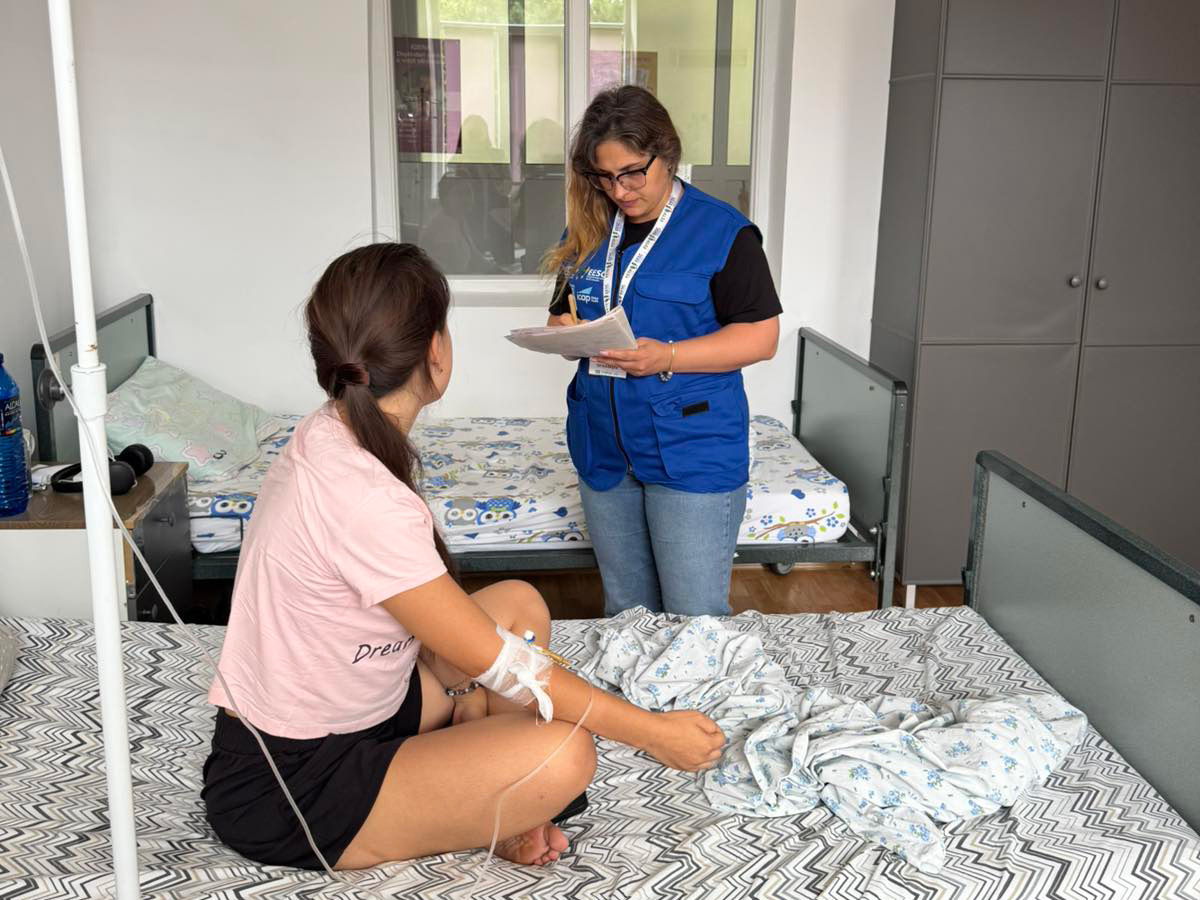
Since 2022, ICAP at Columbia University, in partnership with the U.S. Centers for Disease Control and Prevention (CDC), has supported the training of mid-level public health and animal health specialists from Armenia, Moldova, and Ukraine. The Eastern Europe and South Caucasus Intermediate Field Epidemiology Training Program is a 10-month learning-by-doing applied training program that prepares the public health workforce – and developing leaders – to investigate and respond to major disease outbreaks more effectively.
On January 30, 2026, 12 residents of the fourth cohort of the Eastern Europe and South Caucasus (EESC) Field Epidemiology Training Program Intermediate (FETP-I) graduated in Tbilisi, Georgia, marking a new group of specialists prepared to play critical roles in strengthening health systems at both national and regional levels.
Seven mentors supported the residents from Armenia, Moldova and Ukraine, representing Ministries of Health, National Food Safety Agencies and veterinary services. Throughout the training, the graduates focused their studies on addressing public health threats at the national and multi-country levels, including: Crimean Congo Haemorrhagic Fever (CCHF), brucellosis, salmonellosis, anthrax, leptospirosis, lyme disease, respiratory infections, and influenza.
In addition, a multi-country group project was conducted using a standardized protocol across participating countries. The project aimed to identify key barriers and facilitators of seasonal influenza vaccination among priority risk groups; assess health care workers’ attitudes toward vaccination and willingness to recommend vaccination; and examine health care provider practices related to vaccination promotion, patient communication, and perceived barriers.
The graduation was attended by the leadership of ICAP, U.S. CDC and from all EESC FETP-I participating country governments. Keynote speakers included Wafaa El-Sadr, MD, MP, M

A social media post from the US Embassy in Tblisi congratulated the graduates
PA, global director of ICAP; Anna Deryabina, MD, DrPH, MScIH, ICAP’s regional director for Eurasia; Alan Purcell, chargé d’affaires of the U.S. Embassy in Georgia; directors of the national public health agencies of Armenia, Molodava, and Ukraine; and other partners from the region.
Notable field investigations conducted by this cohort included:
- Implementation of genomic surveillance for salmonella cases among children to strengthen early detection and response capacity in Moldova
- Introduction of whole genome sequencing (WGS) for foodborne outbreak investigations of enteric pathogens, enabling identification of transmission sources in two salmonella outbreaks in Moldova, marking the first use of WGS for foodborne investigations in the country
- A study of clinical characteristics and outcomes of meningococcal infection cases in Moldova
- A case-control study assessing potential risk factors for brucellosis transmission in Armenia
- Implementation of active surveillance for Crimean-Congo haemorrhagic fever (CCHF) to generate evidence of virus circulation in Ukraine
The FETPs are modeled on the CDC’s successful Epidemic Intelligence Service program but are operated by individual countries and ministries of health. Each FETP is tailored to meet the needs of its country through mentored field projects, addressing shared public health challenges between the Ministries of Health, Agriculture, and Food Safety. Using a unique, applied training approach that focuses on learning by doing, FETP trainees, or residents, spend 75-80 percent of their time maximizing hands-on training in the field and only a limited amount of time in the classroom. FETP is divided into three tiers: 1) FETP-Frontline (FETP-F), 2) FETP-Intermediate (FETP-I), and 3) FETP-Advanced (FETP-A). All three aim to enhance local, district, and national capacities to evaluate and strengthen public health surveillance systems, investigate outbreaks, inform control measures, and conduct field studies addressing public health issues of concern.
By the end of 2026, 68 specialists and 30 mentors will have been trained through the Eastern Europe and South Caucasus (EESC) FETP-Intermediate.
About ICAP
A major global health organization that has been improving public health in countries around the world for two decades, ICAP works to transform the health of populations through innovation, science, and global collaboration. Based at Columbia Mailman School of Public Health, ICAP has projects in more than 40 countries, working side-by-side with ministries of health and local governmental, non-governmental, academic, and community partners to confront some of the world’s greatest health challenges. Through evidence-informed programs, meaningful research, tailored technical assistance, effective training and education programs, and rigorous surveillance to measure and evaluate the impact of public health interventions, ICAP aims to realize a global vision of healthy people, empowered communities, and thriving societies. Online at icap.columbia.edu