Article and Study Summary:
Article:
Oral gepotidacin for the treatment of uncomplicated urogenital gonorrhoea (EAGLE-1): a phase 3 randomised, open-label, non-inferiority, multicentre study
Published in:
Lancet. 2025;405(10489):1608–1620. doi:10.1016/S0140-6736(25)00628-2. https://www.sciencedirect.com/science/article/abs/pii/S0140673625006282
Authors:
Ross JD, Workowski KA, Gatsi S, et al.
Summary
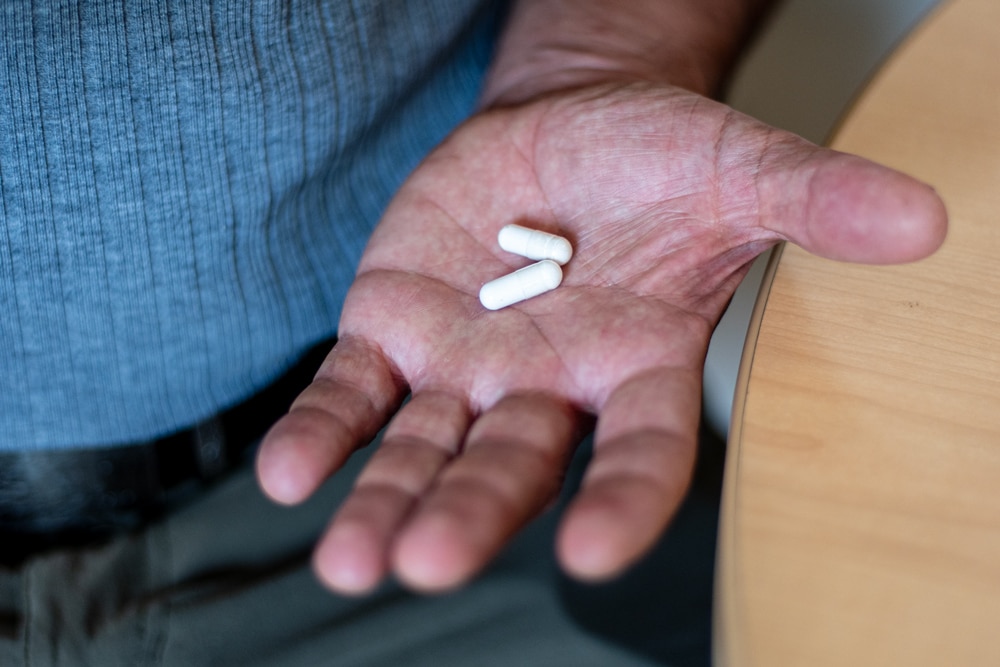
The EAGLE-1 trial was a phase 3, multinational, open-label, randomized, controlled, non-inferiority study that investigated the efficacy and safety of oral gepotidacin for the treatment of uncomplicated urogenital gonorrhea in Australia, Germany, Mexico, Spain, the United Kingdom, and the USA. This study addressed the urgent need for new oral treatment options for Neisseria gonorrhoeae amidst rising antimicrobial resistance. Participants aged 12 years and older with suspected or confirmed urogenital N. gonorrhoeae infection were randomized to receive either two doses of oral gepotidacin (3000 mg each, 10-12 hours apart) or the standard therapy of 500 mg intramuscular ceftriaxone plus 1 g oral azithromycin. The primary efficacy endpoint was microbiological success (culture-confirmed bacterial eradication) at the urogenital site at the test-of-cure visit (days 4-8), with a non-inferiority margin of -10%. In the microbiological intention-to-treat population, microbiological success was observed among 92.6% (95% CI, 88.0% to 95.8%) of participants in the gepotidacin group, compared to 91.2% (95% CI, 86.4% to 94.7%) of participants in the ceftriaxone plus azithromycin group (adjusted treatment difference -0.1% [95% CI, -5.6% to 5.5%], meeting noninferiority criteria). While the gepotidacin group had a higher rate of adverse events, mainly due to gastrointestinal events, almost all were mild or moderate, with no treatment-related severe or serious adverse events observed. These findings suggest that oral gepotidacin may be a promising alternative treatment option for uncomplicated urogenital gonorrhea.
Full Synopsis:
>>>> For the full synopsis, please see the PDF version available in English, French, and Spanish.
Please share your thoughts and experiences with us in the comments section below.
Discussion Questions:
1) How could the findings in this study impact policy where you work?
2) What would it take to implement the study in the programs you work with? Do you have any experiences to share?
Articles of Note: