Mozambique
Mozambique
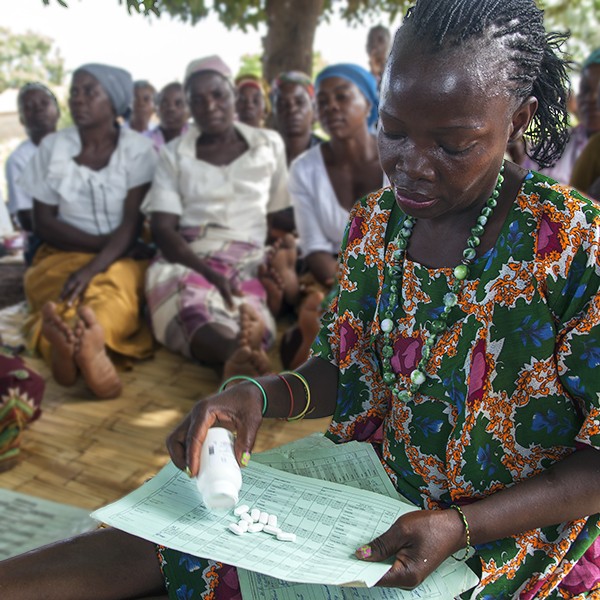
In Mozambique, ICAP is supporting concerted government efforts to achieve the global 95-95-95 HIV targets. ICAP supports the implementation of national surveys, as well as innovative and targeted approaches to drive progress in HIV and TB prevention, case identification, optimized treatment regimens, and treatment monitoring, including the viral load cascade, to achieve HIV epidemic control. In addition, ICAP supports the country’s emergency health preparedness and response efforts, including surveillance, infection prevention control, and case management.
Projects implemented at all levels of the health system place a special emphasis on increased capacity of human resources for health, targeted service provision, differentiated service delivery for priority populations, and data for continuous quality improvement.
Projects

Advancing Sustainable Implementation of Comprehensive HIV/TB Services for Epidemic Control in the Republic of Mozambique Under PEPFAR
- current
CombinADO
- current
Population-based HIV Impact Assessment (PHIA)
- Multi-Country,
- current:
- Cameroon ,
- Cote d’ Ivoire ,
- Democratic Republic of the Congo ,
- Eswatini ,
- Lesotho ,
- Malawi ,
- Tanzania ,
- Uganda
Supporting Sustainable Implementation of HIV and TB Services for Epidemic Control in the Republic of Mozambique
- current
The CQUIN Project for Differentiated Service Delivery
- Multi-Country,
- current
ICAP in Mozambique
 Program Start
- 2004
Key Technical Areas
- HIV
- Maternal and Child Health
- Tuberculosis
- COVID-19
- Strategic Information
- Climate Change
- Geographic Information Systems (GIS)
- Human Resources for Health
- Laboratory Strengthening
- Program Evaluations
- Quality Improvement
- Research
- Surveys
- Strengthening Health Systems
Current Funders
- Bill & Melinda Gates Foundation
-
PEPFAR / Centers for Disease Control and Prevention (CDC)
-
World Health Organization (WHO)
-
UK Aid
-
Columbia World Projects (CWP)
Country Director
 Eduarda Pimental De Gusmao, MD, MPH
Dr. Eduarda Pimental De Gusmao is ICAP’s country director in Mozambique. She is a pediatrician with 13 years of experience in global public health. Dr. Pimental De Gusmao first joined ICAP in 2009, initially as the provincial supervisor in Nampula province, overseeing the implementation of clinical programs at health facility level. She then transitioned to the Pediatric Technical Manager at the central level, where she supported ICAP provincial teams in implementing national strategies for the prevention of mother-to-child transmission (PMTCT) and pediatric care and treatment. After transitioning to the Mozambique Ministry of Health as the PMTCT technical advisor in 2012, Dr. Pimental De Gusmao rejoined ICAP as the pediatric care and treatment and PMTCT clinical officer within the ICAP Clinical and Training Unit in New York. In this role, she provided technical assistance and implementation support to various ICAP countries and projects, including Mozambique, Angola, Eswatini, Tanzania, Myanmar, South Africa, Sierra Leone, and Kenya.
In 2019, Dr. Pimental De Gusmao returned to Mozambique as ICAP’s Deputy Country Director. She holds a Doctor of Medicine degree from the Universidade do Estado do Rio de Janeiro, Brazil, a Masters in Public Health from the University of Liverpool, and a Masters in Infectious Diseases from the London School of Hygiene and Tropical Medicine.
Jobs in Mozambique
See the ICAP careers page to search all job listings.