
-
- Intro

At the turn of the 21st Century
A GLOBAL CRISIS UNFOLDS AND A VISION OF HOPE EMERGES
An estimated 2.4 million people are dying each year from HIV and AIDS-related diseases in sub-Saharan Africa. With new drugs and approaches to care now available in high-income regions of the world, the potential to prevent deaths and improve health in countries less able to cope with the epidemic becomes an urgent imperative.
-
- 2002

The Mailman School of Public Health at Columbia University launches a groundbreaking effort to make services to prevent mother-to-child transmission of HIV the entry point to lifelong HIV care and treatment for women, their partners, and children. The MTCT-Plus Initiative is the first multi-country program to prove that it is possible to make HIV treatment a reality in resource-limited settings.

A mother living with HIV and her child in Mozambique.
-
- 2003

ICAP at Columbia University is founded under the leadership of Wafaa El-Sadr to support the rapid scale-up of HIV care and treatment in sub-Saharan Africa.
“Together we strive for a world where health is available to all.”
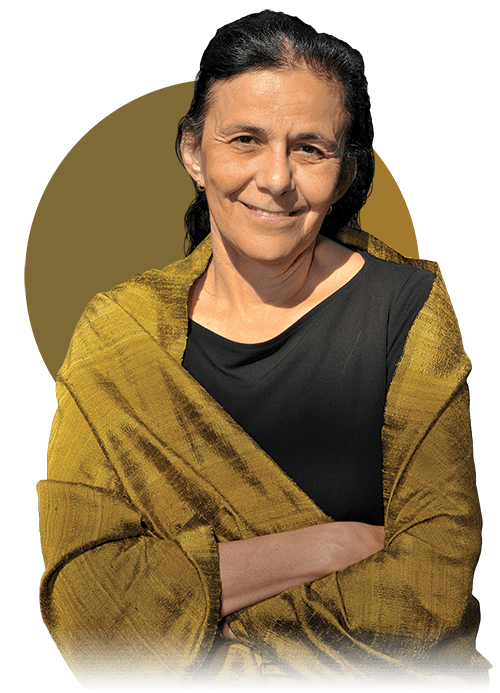
Wafaa El-Sadr, Founder and Global Director of ICAP at Columbia University
-
- 2004

ICAP launches a large-scale program to help eight African countries bring lifesaving HIV treatment to their people, with a particular focus on families living with HIV.
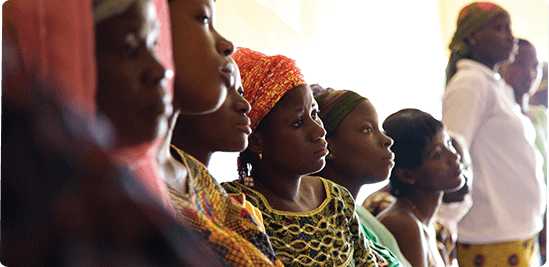
Women wait for prenatal exams at a clinic supported by ICAP in Côte d’Ivoire.
-
- 2005

Recognizing health system strengthening as key to responding effectively to HIV and other health threats, ICAP supports training of health workers and improvement of laboratory, supply chain, and data systems.
-
- 2006

ICAP pilots the Nurse Mentorship Teaching Program in South Africa, a comprehensive HIV training program for nurses that, in coming years, would expand across sub-Saharan Africa.
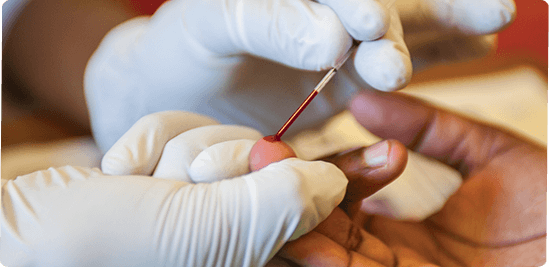
A healthcare worker tests a patient for HIV in Lesotho.
-
- 2007

ICAP launches the Next Generation program, the first of several continuing initiatives to give students field-based global health training.
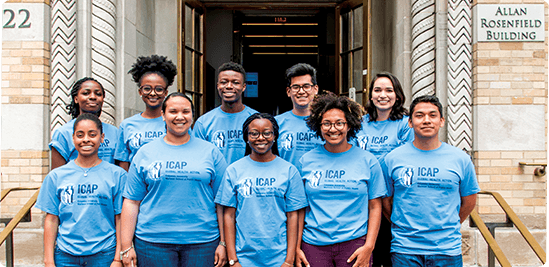
Next Generation students in front of Columbia University’s Mailman School of Public Health.
-
- 2008

ICAP takes on the long-term challenge of combating malaria, beginning in one of the hardest-hit countries: Ethiopia.
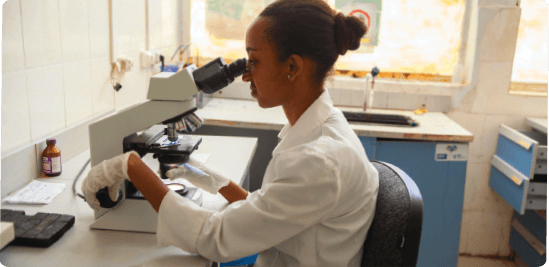
In Ethiopia, a technician examines samples in a lab renovated by ICAP.
-
- 2009

ICAP launches the Global Nurse Capacity Building Program, a nine-year effort to support human resources for health on the front lines, with a focus on nurses and midwives, the backbone of health systems in Africa and around the world.
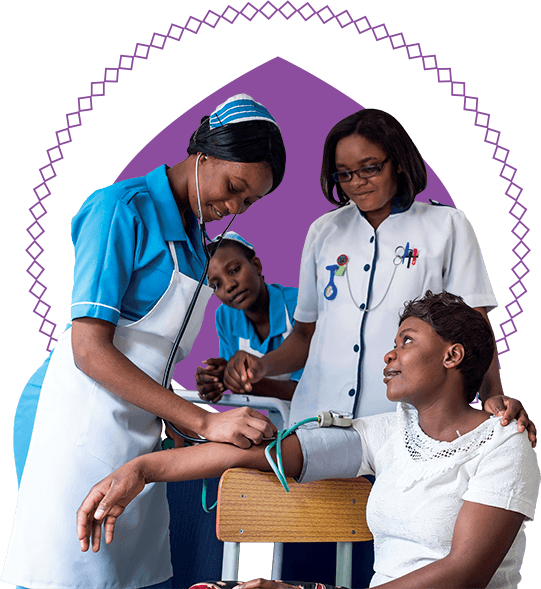
In Zambia, nursing students practice prenatal checkup skills in a training supported by ICAP.
-
- 2010

ICAP expands its work beyond HIV treatment to include diverse biomedical, behavioral, and structural HIV prevention efforts.
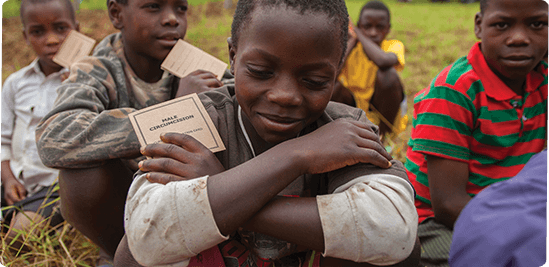
In the Lake Victoria region of Tanzania, boys wait for a voluntary medical circumcision procedure that will help protect them from HIV.
-
- 2011

In communities where it has been working, ICAP broadens its support to address additional health threats, including maternal and child health, tuberculosis, and non-communicable diseases.
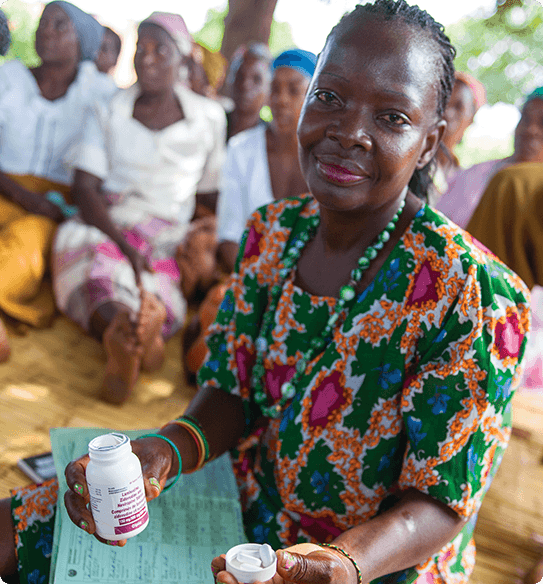
A member of a community-based antiretroviral group in Mozambique.
-
- 2012

ICAP completes the eight-year Multi-Country Columbia Antiretroviral Program (MCAP), which results in more than one million people receiving HIV care and more than 500,000 starting on HIV treatment in eight sub-Saharan African countries. This formed the foundation for further expansion of ICAP’s global reach and its contribution to treatment scale-up.
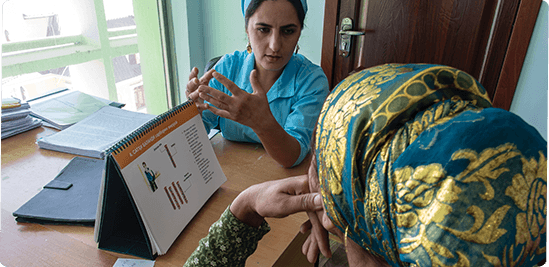
A visiting home nurse counsels a woman living with HIV in Tajikistan.
-
- 2013

Using a novel approach focused on migrant miners and their families in Lesotho, ICAP puts in place a comprehensive, family-focused program that integrates HIV and tuberculosis care.
-
- 2014

ICAP launches the groundbreaking Population-based HIV Impact Assessment (PHIA) Project to measure progress in the national HIV response in more than a dozen PEPFAR-supported countries and to serve as a blueprint for future direction.
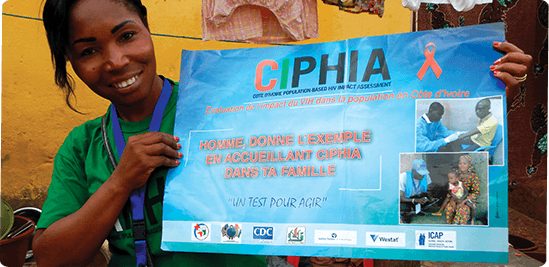
A data collector announces a Population-based HIV Assessment (PHIA) survey is being conducted in Côte d’Ivoire.
-
- 2015

ICAP responds to the Ebola epidemic in West Africa by leading rapid evaluation of community care centers in Sierra Leone.
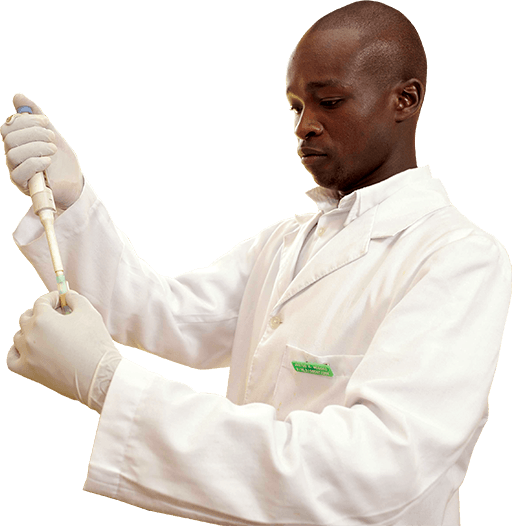
At a hospital in Kenya, a laboratorian tests blood samples.
-
- 2016

To support health systems coping with the large numbers of people seeking HIV treatment, ICAP focuses on patient-centered differentiated service delivery models, launching the multi-country HIV Coverage, Quality, and Impact Network (CQUIN).
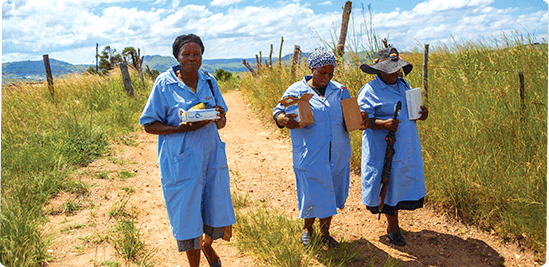
Rural health motivators in Eswatini bring health care where it’s needed.
-
- 2017

ICAP extends its tradition of cutting-edge knowledge generation—conducting epidemiological, clinical, implementation science, and behavioral research around the world. A renowned thought leader, ICAP continues to shed light on critical issues such as precision public health, the intersection between HIV and non-communicable diseases, HIV and aging, surveillance and surveys, and new imperatives in migration and health.
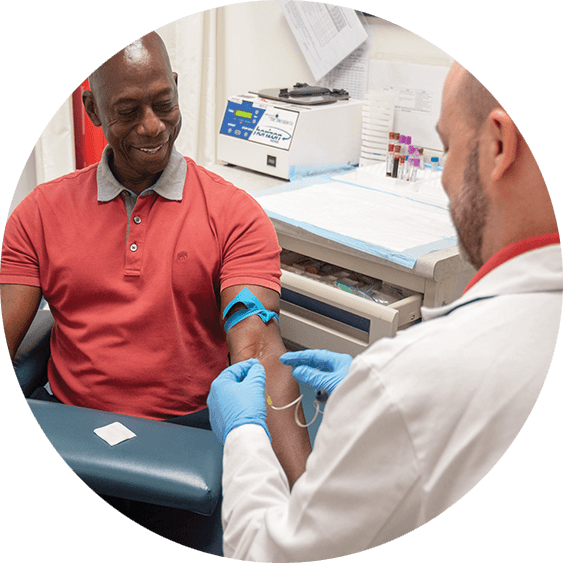
At ICAP’s Harlem Prevention Center, a researcher draws blood for a study on pre-exposure prophylaxis (PrEP).
-
- 2018

ICAP engages in a series of innovative multi-year, multi-country efforts to improve the ability of countries to advance toward HIV epidemic control – including OpCon, QCIP, Optimize, TRACE, and Resilient and Responsive Health Systems.

As part of the TRACE project, a technician in Lesotho an HIV recency test on blood samples to determine whether an epidemic “hot spot” can be identified.
-
- 2019

Results from the Evidence for Contraceptive options and HIV Outcomes study – supported by ICAP via Eswatini’s first-ever interventional randomized clinical trial – offer groundbreaking insight into HIV risk and reversible methods of contraception.

Mothers wait with their children at a clinic providing HIV prevention, care, and treatment in Eswatini.
-
- 2020

ICAP takes a lead role in responding to the global COVID-19 pandemic through research, surveillance and resource mobilization in regions worldwide.
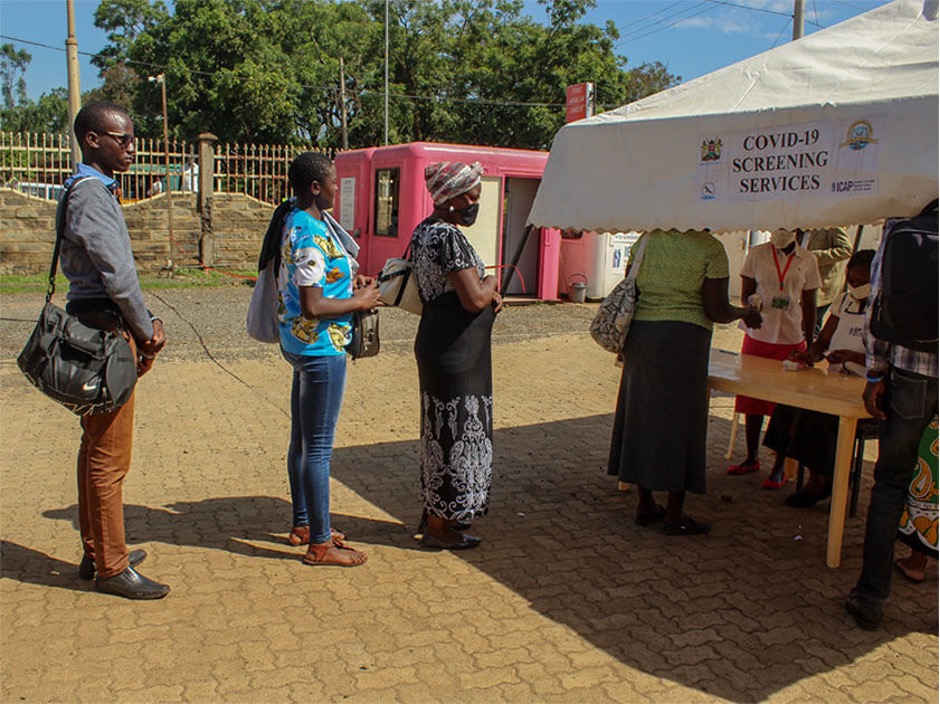
People wait to be screened for COVID-19 outside the Jaramogi Oginga Odinga Teaching & Referral Hospital (JOOTRH) in Kisumu, Kenya.
-
- 2021

ICAP expands into Central America with a focus on HIV prevention in El Salvador, Guatemala, Honduras, Nicaragua, and Panamá.
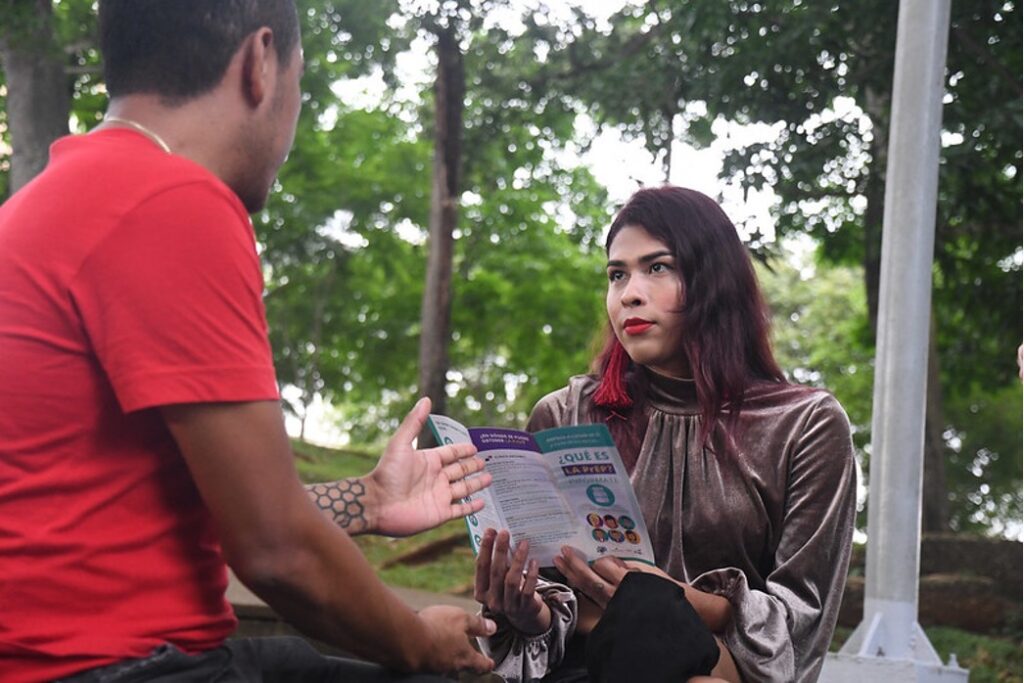
A community health worker explains the benefits of Pre-Exposure Prophylaxis (PrEP) to a Trans woman at risk for HIV in Panamá City, Panamá.
-
- 2022

ICAP expands its focus on the health of migrants and displaced persons with projects in Colombia, Perú, and Mozambique, and conducts the Refugee Uganda HIV Impact Assessment (RUPHIA) survey.
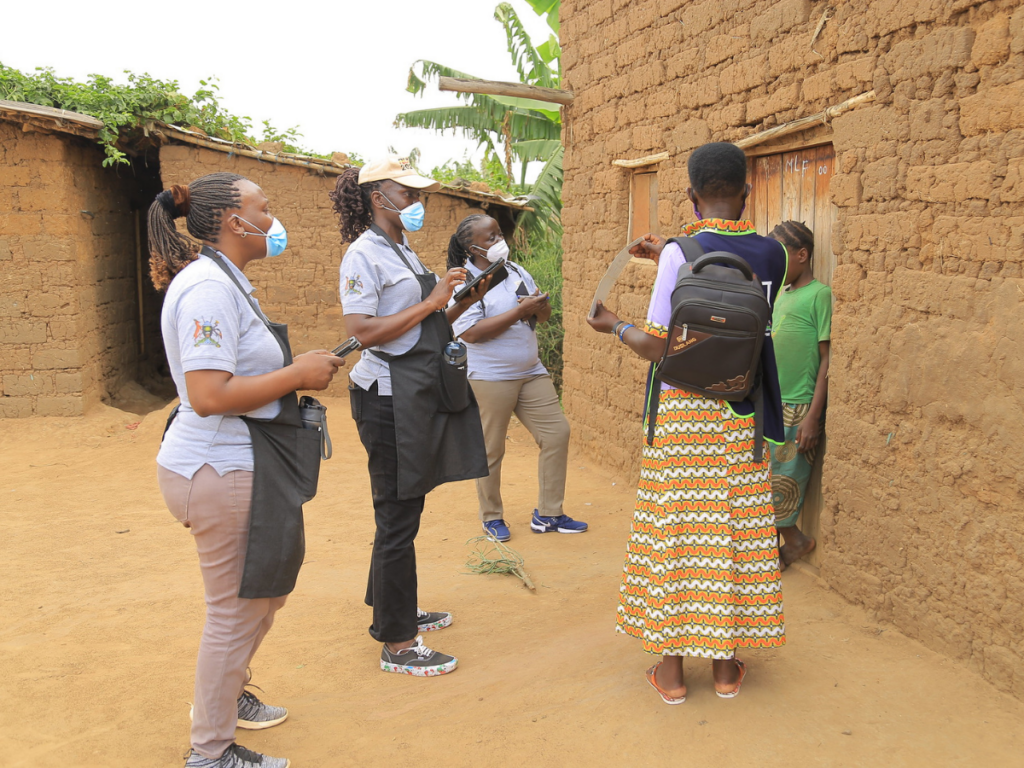
Data collectors gather information on HIV from individuals at Nakivale refugee settlement camp in Uganda to create a sharper picture of the epidemic among this vulnerable population.
-
- 2023

ICAP launches new Global Health Security projects designed to increase pandemic preparedness in Georgia and war-torn Ukraine.
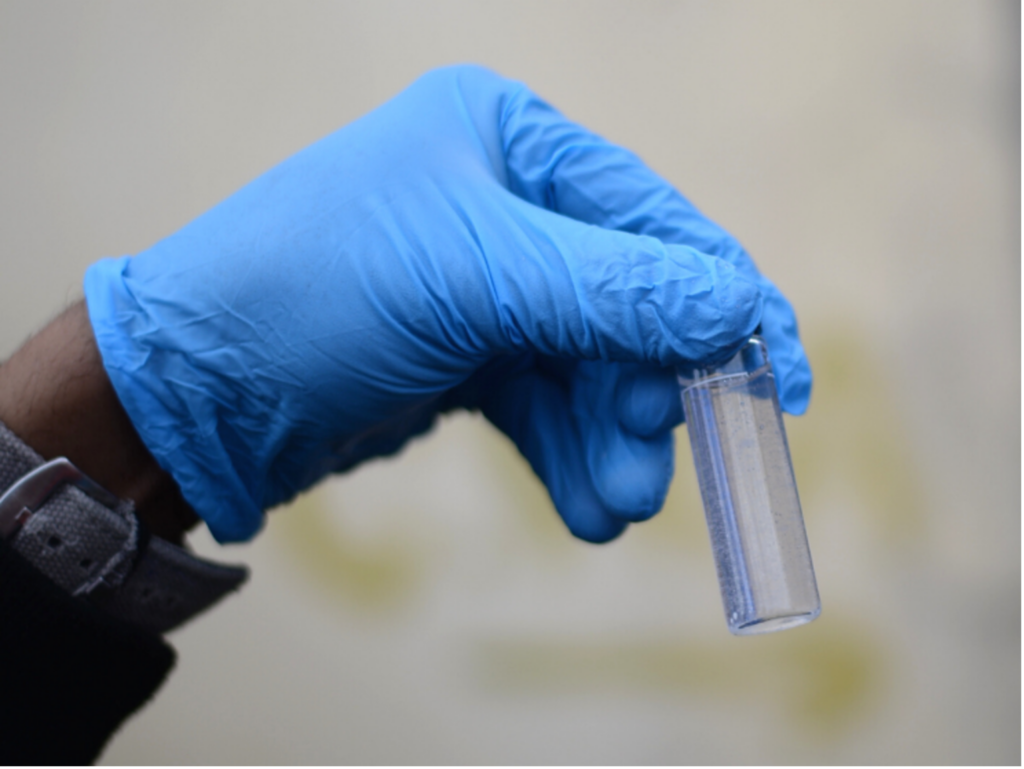
A technician prepares to analyze a sample of wastewater for indications of a potential infectious disease outbreak.
-
- 2024

With support from the Gates Foundation, ICAP at Columbia University and Paediatric-Adolescent Treatment Africa (PATA) launched a new impact network initiative aimed at Elimination of Vertical Transmission of HIV across six countries in Africa with the highest burden of infant infection, namely Kenya, Mozambique, Nigeria, South Africa, Tanzania, and Zambia. The HIV Impact Network for Vertical Transmission Elimination (HIVE) is designed to build upon the foundational work of the HIV Coverage Quality and Impact Network (CQUIN), which has successfully enhanced the quality and coverage of differentiated HIV services since 2017. Against the backdrop of the changing global health landscape, HIVE will support the six countries to deliver vertical HIV transmission prevention programs by documenting and analyzing key policy decisions, sharing findings, best practices, and challenges across partner countries.