Authors:
Seffren V, Yadav R, Iriemenam NC, Ajayi O, Ogunsola O, Mulube C, Chilambe FB, Soko M, Ogollah F, Chomba M, Seda B, Cossa-Moiane I, Langa Z, Oboth P, Kwizera R, Rogier E, Gutman JR.
Abstract:
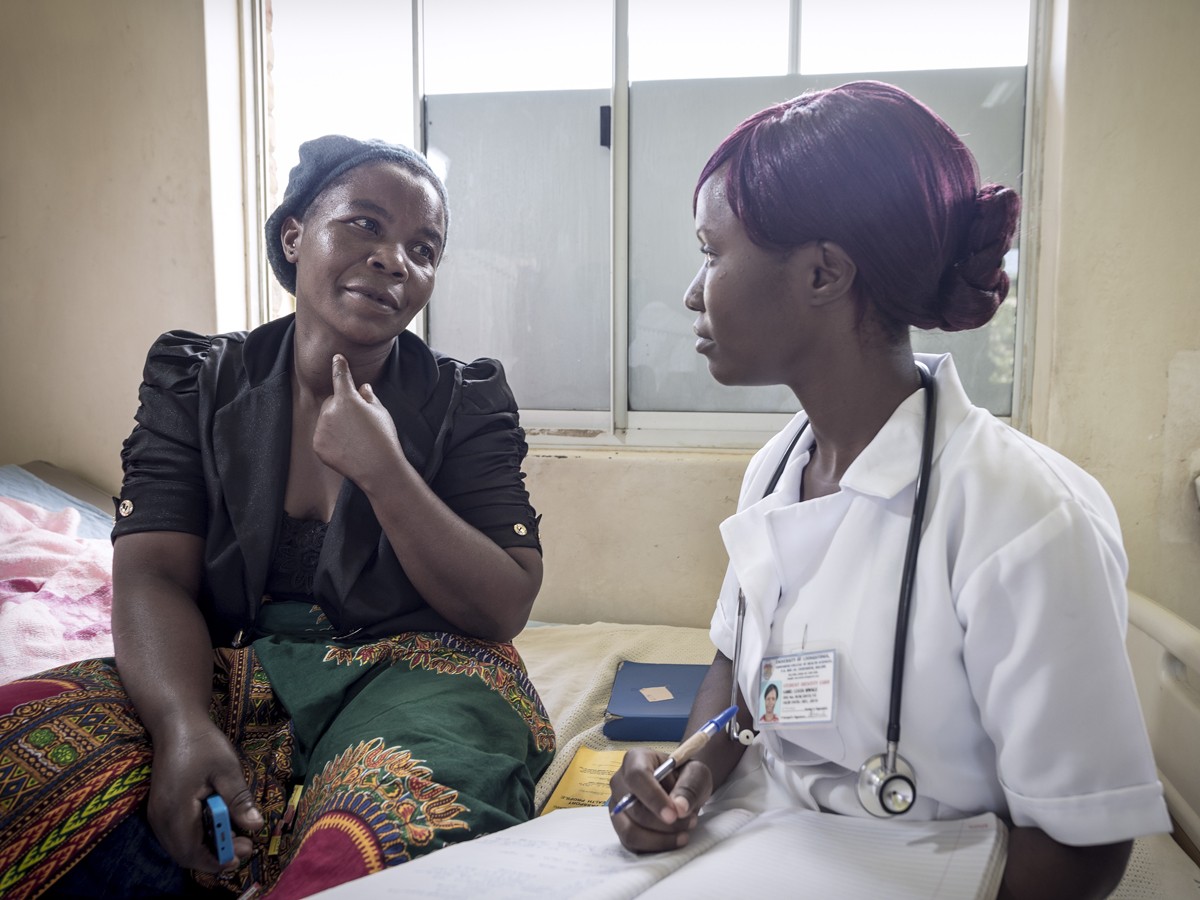
Estimates of exposure to coronavirus disease 2019 (COVID-19) on the African continent are limited, constrained by availability of testing and case report data. To improve understanding of COVID-19 burden, monthly severe acute respiratory syndrome coronavirus 2 (SARS-CoV-2) serosurveillance was implemented at first antenatal care visits (ANC1) across six sub-Saharan African countries (Kenya, Malawi, Mozambique, Nigeria, Uganda, and Zambia). A standardized questionnaire, including COVID-19 vaccination history, was administered, and a blood sample was collected. Serology was conducted with two assays: in Nigeria, a multiplex bead-based assay targetting spike protein, receptor binding domain (RBD) 591, and nucleocapsid (N) protein and in all other countries, a SARS-CoV-2 human IgG antibody test including RBD, N protein, and hybrid RBD-N. The largest monthly change in seropositivity was between December 2021 and January 2022 for five countries (Kenya: 33.2-70.3%, Malawi: 28.3-59.6%, Mozambique: 29.3-72.8%, Nigeria: 52.4-77.4%, Uganda: 55.7-80.6%), coinciding with the Omicron wave. Aside from Mozambique, there was an increase in the proportion of women reporting COVID-19 vaccination beginning in January 2022, with highest vaccination rates between April and August 2022. Relatedly, there was an increase in the proportion vaccinated among those with detectable SARS-CoV-2 antibodies. Adenoviral vector accounted for at least half of the vaccines reported in all countries. If pregnant women are not differentially infected, ANC1 can be leveraged for serosurveillance during a pandemic. Monthly seroprevalence estimates alongside vaccination rates can provide evidence for changes in protective immunity in response to case waves and the introduction of protective measures.