HIV
ICAP Supports Biobehavioral Survey Among People Who Inject Drugs in Zambia, Measuring Factors that Impact HIV Epidemic Control
ICAP supported the first biobehavioral survey (BBS) among people who inject drugs (PWID) in Zambia, the results demonstrating both successes and gaps in progress made toward the UNAIDS 95-95-95 global targets. Conducted between November 2021 and February 2022 in the...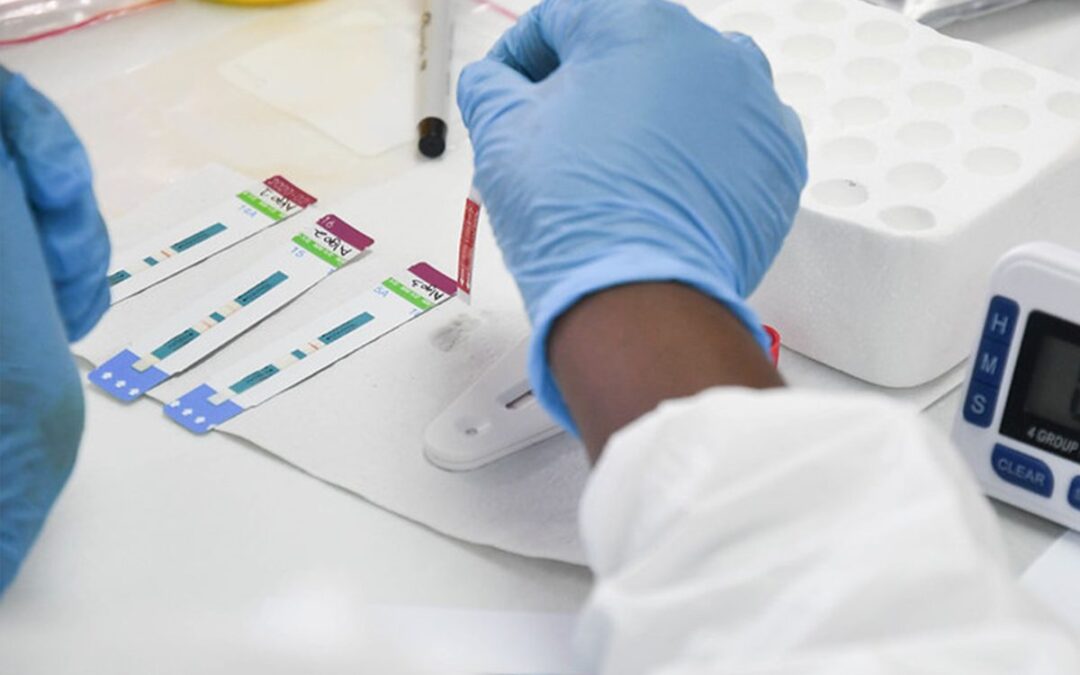
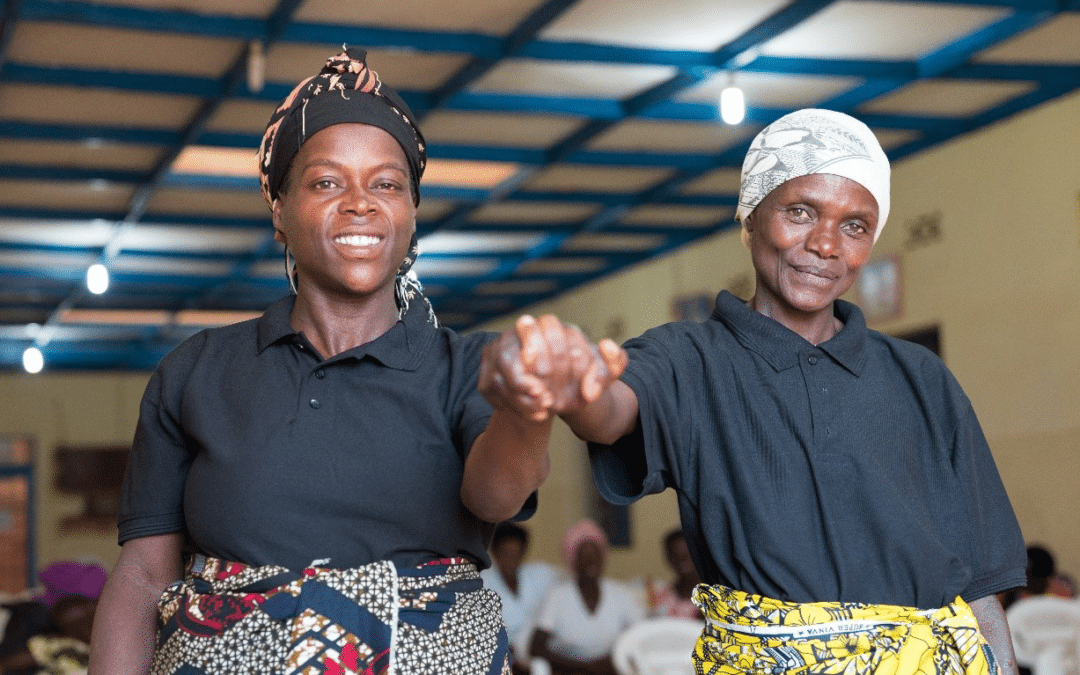
HIV Recency Testing Can Identify New Infections Earlier, ICAP and Rwanda Biomedical Center Evaluation Finds
No Increased Intimate Partner Violence Associated with Recency Testing For people newly diagnosed with HIV in Rwanda, HIV recency testing is part of standard national HIV case-based surveillance, distinguishing recent infection – less than six to 12 months – from...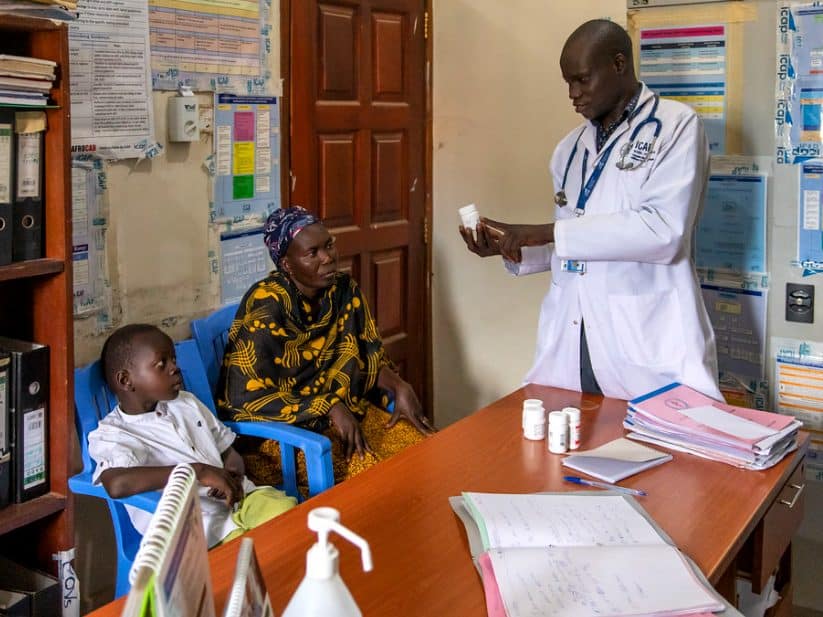
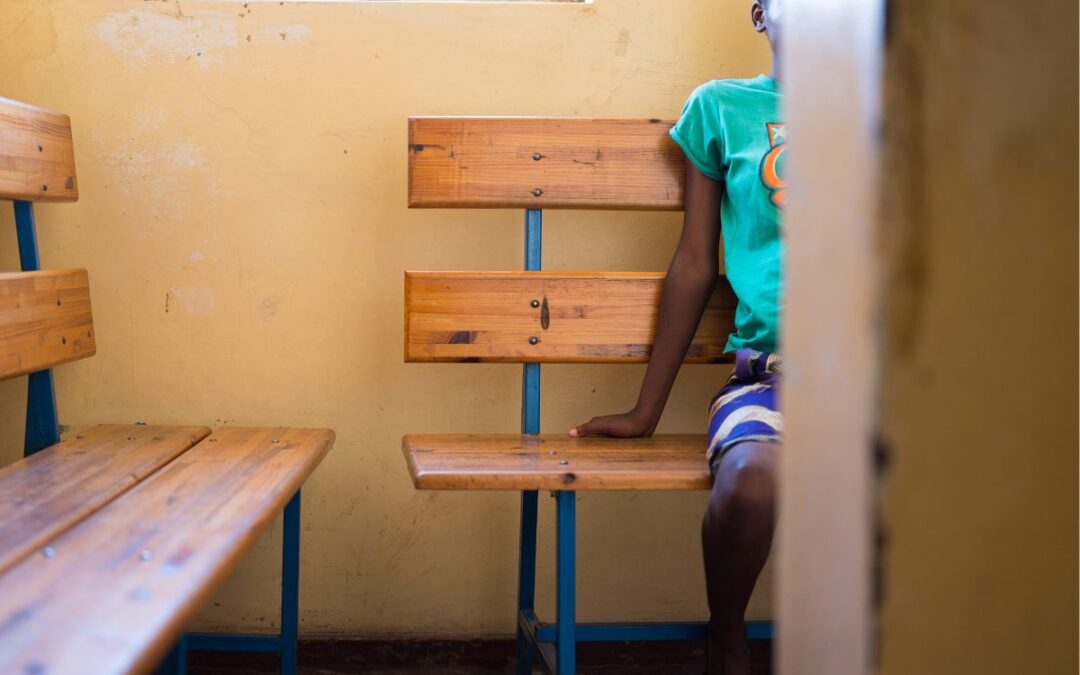
ICAP Supports Improved Outcomes for Children Living with HIV in South Sudan
An estimated 15,000 children under the age of 15 are currently living with HIV in South Sudan, but only 11 percent of those in need of lifesaving antiretroviral therapy (ART) are receiving it. While low rates of ART coverage among children living with HIV can be...