Rwanda
Rwanda
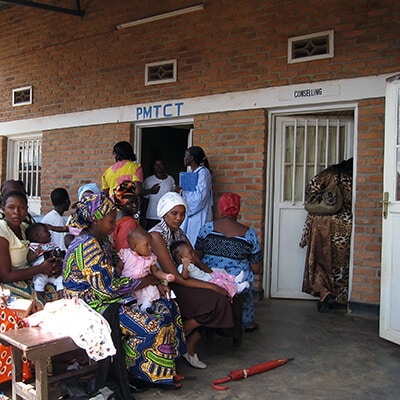
ICAP is currently supporting the Ministry of Health and the Rwanda Biomedical Center to strengthen sustainable systems for the detection and management of HIV infections through data capacity building of Rwanda’s health workforce. ICAP’s activities in Rwanda include training, mentorship, and building the capacity of a large health care and program management workforce at the national and decentralized levels.
Projects

Population-based HIV Impact Assessment (PHIA)
- Multi-Country,
- current:
- Cameroon ,
- Cote d’ Ivoire ,
- Democratic Republic of the Congo ,
- Eswatini ,
- Lesotho ,
- Malawi ,
- Tanzania ,
- Uganda
Rwanda TA
- current
The CQUIN Project for Differentiated Service Delivery
- Multi-Country,
- current
ICAP in Rwanda
 Active Years
- 2003 – 2014
- 2017 – present
Key Technical Areas
-
HIV
-
Tuberculosis
-
COVID-19
-
Global Health security
-
Infection Prevention and Control
-
Laboratory Strengthening
-
Quality Improvement
-
Research
-
Strengthening Health Systems
-
Surveys
-
Technical Assistance
Current Funders
-
PEPFAR / Centers for Disease Control and Prevention (CDC)
Country Director
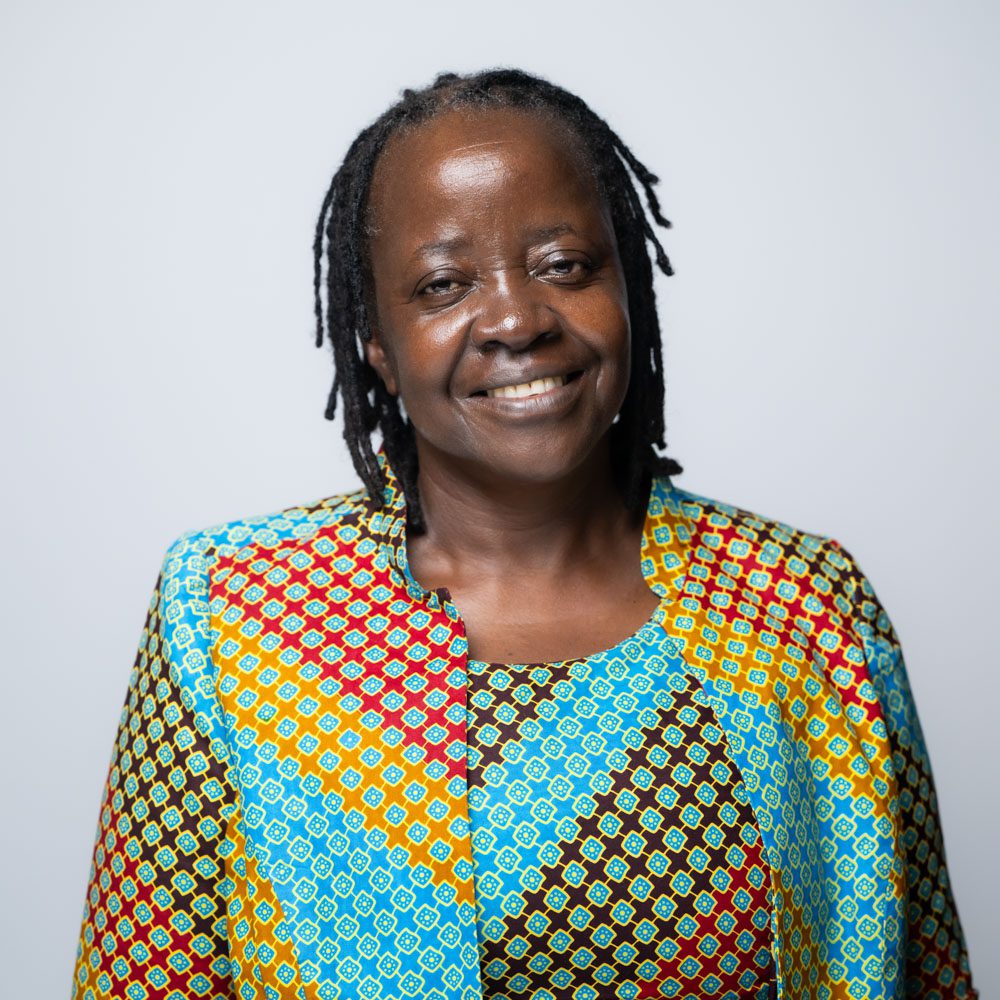 Veronicah Mugisha, MBChB, DPH, Mmed (PH)
Dr. Veronicah Mugisha is a physician and public health specialist with over 30 years of clinical, research, and program management experience in the areas of HIV/AIDS, sexually transmitted infections, and epidemic and disaster management. A Ugandan national, she received her medical and post-graduate degrees from Makerere University in Uganda.
Dr. Mugisha has worked across both government and NGO sectors. She has held several positions with ICAP, including Country Director for ICAP in Rwanda from 2011-2013. Before that, she was deputy country director for programs and PHIA project director in Tanzania, senior monitoring and evaluation advisor, and then director for planning, monitoring, and evaluation in Rwanda. Before joining ICAP, Veronicah served as the Planning, Monitoring, and Evaluation Director for Global Fund projects in Rwanda, Country Director for JSI in Rwanda, and Director of Epidemiology and Public Hygiene within the Ministry of Health of Rwanda. Prior to that, she was an emergency physician at Mulago Hospital in Uganda.
Jobs in Rwanda
See the ICAP careers page to search all job listings.